“`html
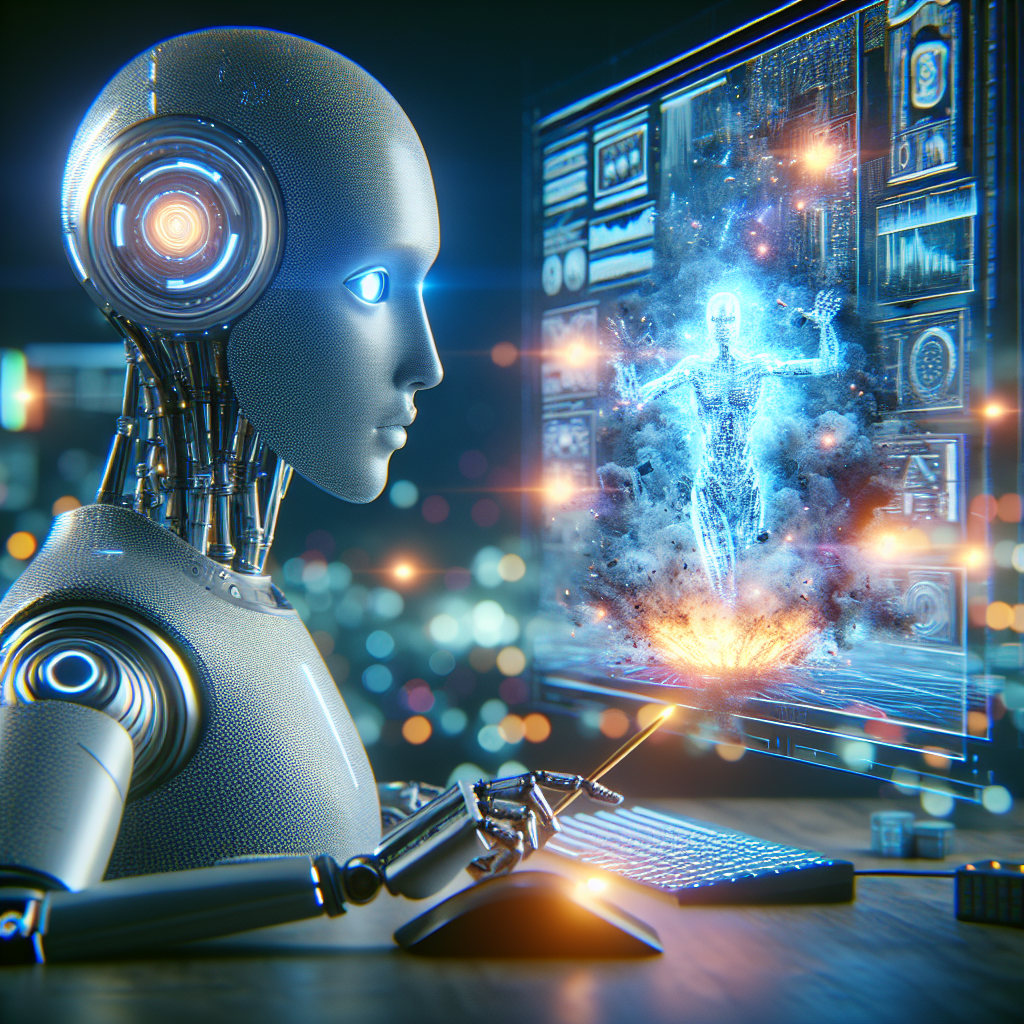
The fusion of Artificial Intelligence (AI) with the realm of films and visual effects (VFX) has stirred a whirlwind of discussions around its potential impact on jobs. As AI technologies advance, filmmakers and studios grapple with the possibility of AI taking over a variety of tasks traditionally accomplished by human VFX artists. In this article, we delve into the question: **Will AI take over jobs in special effects and VFX?** From exploring current AI capabilities to evaluating future trends, we’ll unpack how the film industry might evolve amidst these technological advancements.
Current Role of AI in VFX
AI has been a game-changer in the world of visual effects, facilitating processes that were once manually intensive. Here are some areas where AI is currently making its mark:
- Automating Repetitive Tasks: AI algorithms are adept at automating monotonous and repetitive tasks such as rotoscoping, where a model separates elements of a film frame.
- Enhancing Animation: AI tools use machine learning to predict and improve motion capture animation, leading to smoother and more realistic movements.
- Improving Visual Quality: AI-powered upscaling transforms lower resolution footage into high-definition formats, preserving quality with minimal human intervention.
Potential Impact on VFX Jobs
While AI is enhancing efficiency, it also raises concerns about job displacement in the VFX industry.
- Reduction in Manual Labor: Tasks that require manual input and are time-intensive are increasingly handled by AI, reducing the need for human labor.
- Shift in Skill Requirements: VFX artists may need to adapt by acquiring new skills to work alongside AI tools effectively.
- Creation of New Roles: The integration of AI might lead to new job opportunities, such as AI specialists and data analysts, to manage and refine AI systems.
Case Studies: AI Success in VFX
Several case studies illuminate the success of AI in the VFX sector:
- Peter Jackson’s “They Shall Not Grow Old”: The use of AI to colorize and restore World War I footage demonstrated how AI can breathe new life into historical media.
- Deepfake Technology: AI’s ability to generate realistic images and videos helped produce stunning de-aging effects in films like “The Irishman”.
Challenges and Limitations of AI
Despite its advancements, AI in VFX faces multiple challenges:
- Creative Limitations: AI lacks the creative intuition and subjective decision-making that human artists possess, often requiring a human touch to finish projects.
- Complexity in Contextual Understanding: AI struggles with understanding nuanced scenes or emotions, which might impact the quality of the final output.
- High Upfront Costs: Developing and implementing AI systems can be expensive, posing a barrier to smaller studios.
Future Outlook
What lies ahead for the fusion of AI and VFX?
The future might see AI and human artists working hand in hand, with AI continuing to elevate productivity and innovation. Artists might find themselves in roles that demand more oversight and creative direction, using AI as a powerful tool rather than a replacement. **Collaboration, rather than replacement**, is the likely path forward, ensuring the rich, imaginative, and diverse storytelling that human creativity brings to the screen remains intact.
In conclusion, while there are valid concerns about AI’s role in the future of VFX jobs, the industry’s evolution will likely depend on a harmonious blend of technology and human creativity.
“`