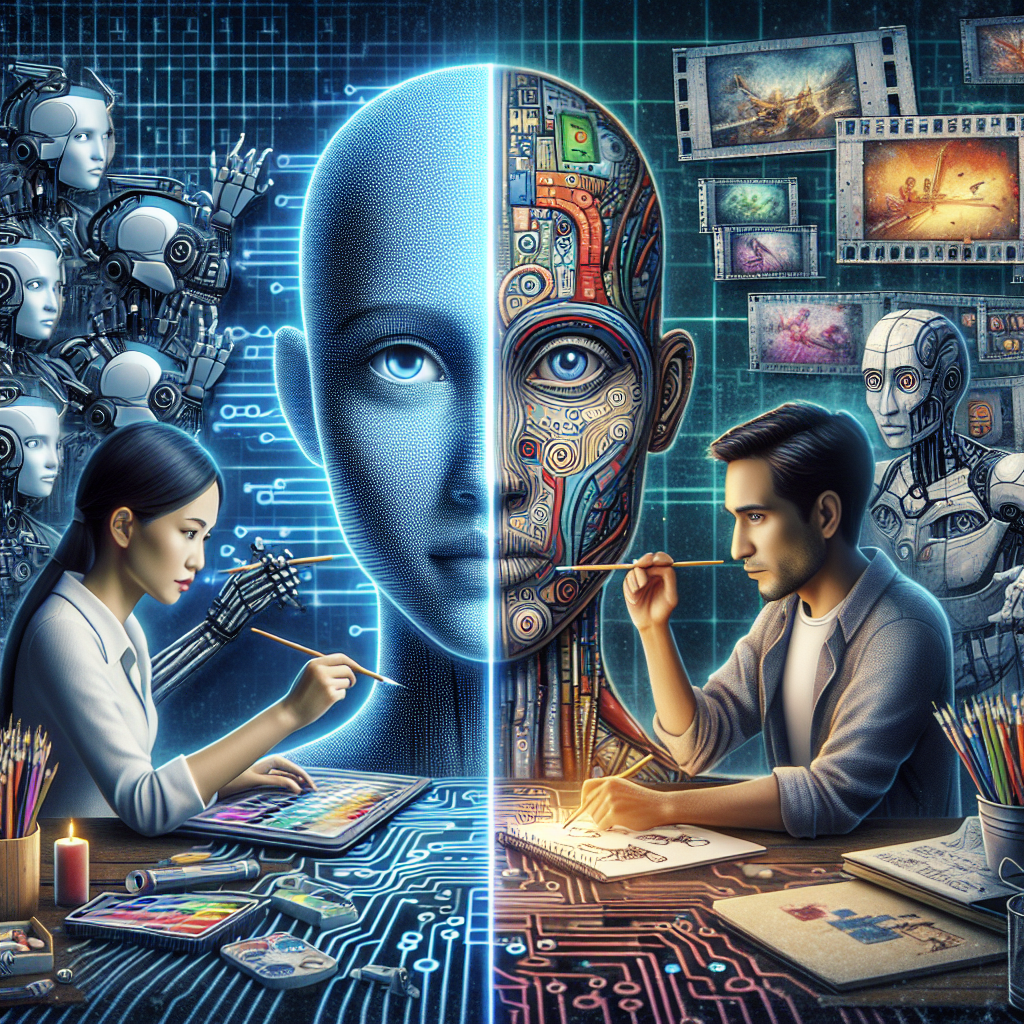
In the age of rapid technological advancements, the film industry is undergoing significant transformations, with Artificial Intelligence (AI) being at the forefront of this evolution. As AI continues to develop and permeate various aspects of filmmaking, an important question arises: Will AI replace jobs in film storyboarding and concept art? This article delves into the potential impact of AI on these creative roles, examining both the benefits and challenges while contemplating the future of artistic jobs in the film industry.
- Introduction
- The Evolution of AI in Film
- Storyboarding and Concept Art: A Creative Process
- How AI is Changing the Landscape
- Pros and Cons of AI Integration in Film
- The Future of Film Creativity
- Conclusion
The Evolution of AI in Film
AI technology has grown exponentially in recent years, making its mark across various industries, including film and entertainment. Initially, AI’s role in filmmaking was relatively minor, focused on tasks like video editing and special effects processing. However, as AI algorithms become more sophisticated, they have started to contribute creatively, influencing scriptwriting, production, and audio enhancement.
In particular, the advancements in Machine Learning (ML) and Natural Language Processing (NLP) have opened new avenues for AI in film creation. From generating scripts to predicting box office success, AI’s reach is broadening, raising questions about the future of human roles in the creative process.
Storyboarding and Concept Art: A Creative Process
Storyboarding and concept art are fundamental aspects of film production, providing visual frameworks and artistic interpretations vital to storytelling. These processes require a deep understanding of narrative structure, visual storytelling, and artistic expression. The role of a storyboard artist is to capture the essence of a scene, while concept artists bring to life characters, settings, and worlds through their unique perspectives.
- Storyboarding: It involves creating sequences of drawings, which represent shots planned for a film.
- Concept Art: It focuses on designing worlds, characters, and props that contribute to the visual appeal of a film.
How AI is Changing the Landscape
AI’s intervention in storyboarding and concept art is primarily through automation and assistance tools designed to streamline workflows. Some AI applications can generate crude storyboards by analyzing scripts, reducing the time artists spend on repetitive tasks. In concept art, AI tools are leveraged to create elemental designs or variations of character sketches.
- Speed and Efficiency: AI can quickly process and produce basic storyboards and concept designs, which artists can then refine.
- Creative Assistance: By offering new angles and variations, AI can inspire artists, broadening their creative horizons.
- Cost-effectiveness: For indie filmmakers or low-budget productions, AI provides an affordable option to carry out preliminary tasks.
Pros and Cons of AI Integration in Film
AI integration in film storyboarding and concept art brings numerous benefits but also poses significant challenges, as outlined below:
- Pros:
- Increased productivity and enhanced creativity.
- Potential cost savings for projects with limited budgets.
- Ability to analyze and predict trends, aiding in planning and development.
- Cons:
- Risk of reduced demand for human artists.
- Possible loss of artistic authenticity and originality.
- Dependence on technology may stifle individual creativity.
The Future of Film Creativity
The future of film creativity will likely involve a collaborative approach where AI and human artists work together to create visually stunning narratives. While AI can handle tedious tasks, humans will focus on more nuanced and detailed aspects requiring emotional intelligence and a personal touch. Therefore, rather than replacing jobs, AI may transform roles, creating a symbiotic relationship that enhances creativity.
Education and adaptation will be critical, with industry professionals need to upskill continuously to work alongside AI effectively. The focus will shift from traditional techniques to cultivating a balance between artistic vision and technological innovation.
Conclusion
The question of whether AI will replace jobs in film storyboarding and concept art comes down to how the industry embraces technological advancements. While AI holds the potential to transform these roles, it is unlikely to fully replace the inventive prowess and emotionally driven insights that humans bring. Instead, the film industry stands to benefit from a collaboration between humans and AI, leading to new heights of storytelling and visual artistry.