“`html
As artificial intelligence (AI) technology continues to advance, its impact on various industries becomes more evident, with the film industry being no exception. With AI’s increasing role in filmmaking, a crucial question arises: Will AI replace human labor in the film industry? This article delves into this pressing issue, exploring how AI is reshaping the landscape of movie production, the benefits, and unintended consequences it brings, and whether it will ultimately replace human creativity and expertise.
Introduction
The transformation of the film industry by technology isn’t a new phenomenon. From the introduction of sound to CGI, the industry has long been a fertile ground for technological innovation. Today, AI technologies are leading the charge, performing tasks ranging from scriptwriting to special effects. This evolution prompts professionals and audiences alike to ponder about the extent of AI’s influence: Can machines replicate the human touch that has long characterized the art of filmmaking?
Current Use of AI in Filmmaking
AI has increasingly found its way into different facets of the film industry. Here are some prevalent applications:
- Scriptwriting: AI tools can analyze vast datasets to generate scripts or assist in script refinement.
- Film Editing: Intelligent software aids in cutting scenes and creating trailers faster with precision.
- Visual Effects: Algorithms can generate realistic environments and characters, saving substantial time and resources.
- Casting: AI provides insights into actors’ performances, helping filmmakers make informed casting decisions.
- Personalized Viewing: Platforms like Netflix utilize AI to recommend movies tailored to individual preferences.
Benefits of Using AI in Film
The integration of AI in filmmaking brings several advantages, enhancing the efficiency and creative possibilities within the industry.
- Cost Efficiency: Automating repetitive tasks helps reduce production costs significantly.
- Speed and Precision: AI-driven tools expedite processes like editing and special effects, ensuring greater precision.
- Enhanced Creativity: By handling mundane tasks, AI allows filmmakers to focus their efforts on innovation and creative storytelling.
Challenges and Limitations of AI in Film Production
Despite its benefits, AI technology in the film industry is not without its challenges and limitations:
- Loss of Human Touch: While AI can mimic human creativity, it may fall short in capturing the nuanced emotions and intuition inherent to human creators.
- High Initial Investment: Setting up advanced AI systems demands significant capital, potentially limiting accessibility to smaller studios.
- Ethical Concerns: The use of AI in areas like deepfake technology leads to debates over privacy and consent.
The Future of Human Labor in the Film Industry
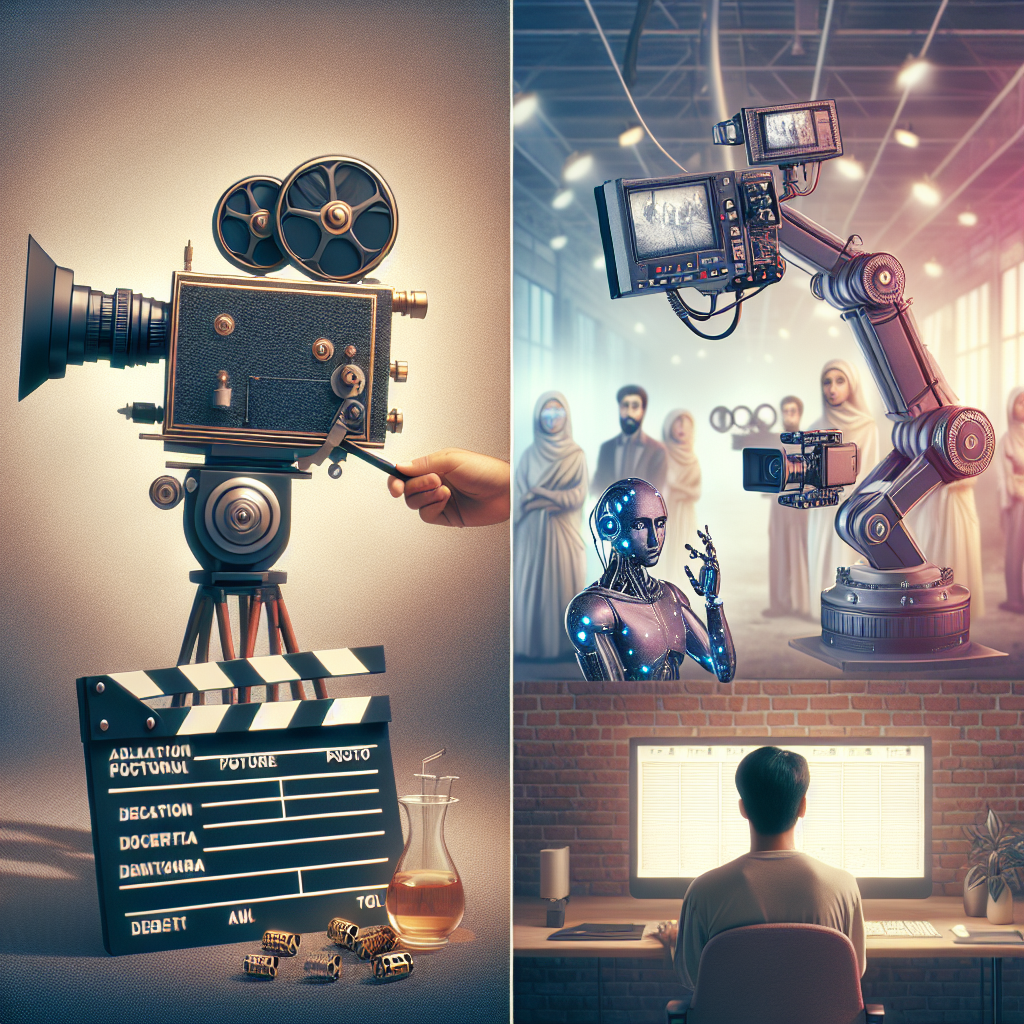
Considering AI’s advantages and challenges, what lies ahead for human labor in filmmaking? While AI is poised to transform many aspects of film production, it is unlikely to entirely replace human labor. The creative and emotional depth that humans bring to storytelling is irreplaceable by machines. Instead of a complete takeover, a more realistic scenario involves AI complementing human efforts, allowing creatives to push their boundaries further.
Conclusion
In conclusion, the inevitable rise of AI in the film industry stands as a double-edged sword—offering both unparalleled opportunities and potential drawbacks. While AI can streamline processes and encourage innovation, human creativity remains the cornerstone of filmmaking. Inevitably, the future may see AI and human expertise working hand in hand, paving the way for a more efficient and creatively vibrant film industry. The narrative of whether AI will replace or augment human labor in the film industry is still unfolding, with much left to discover.
“`