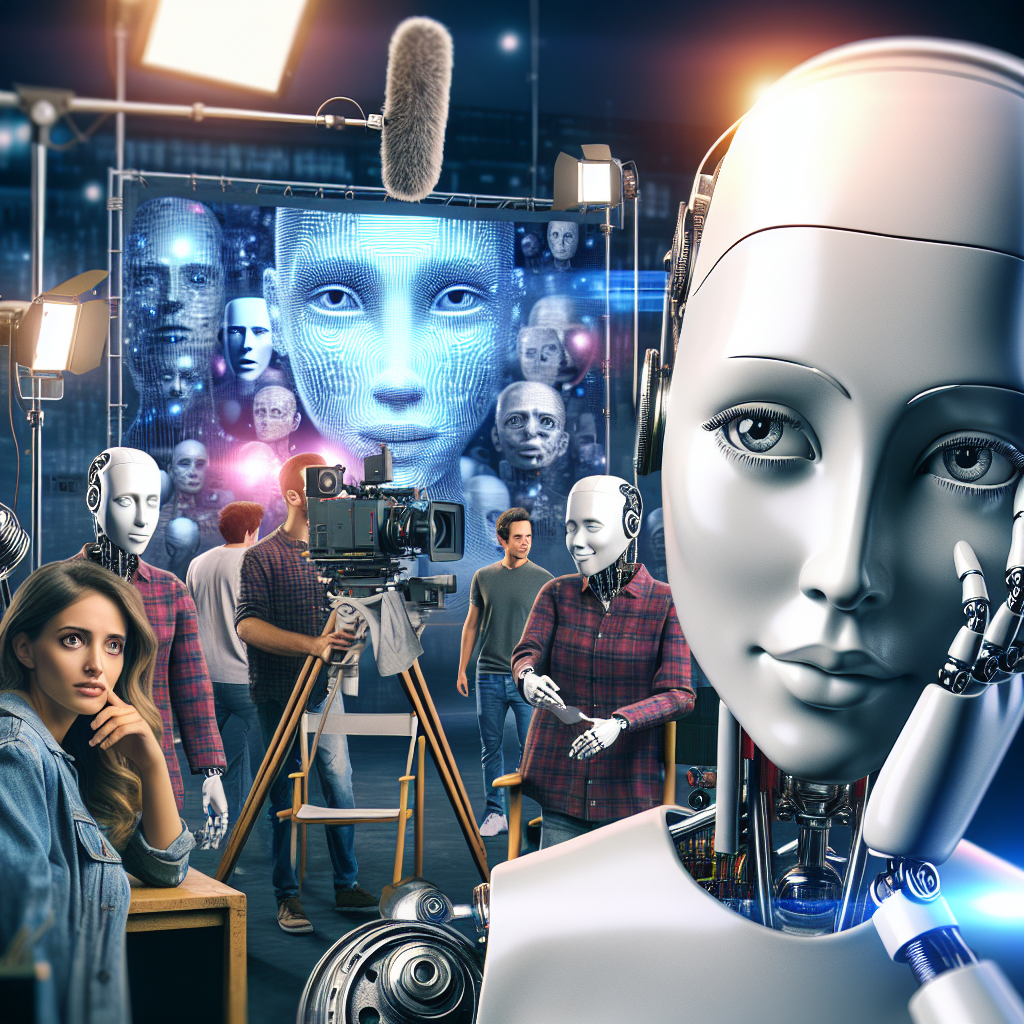
In recent years, the realm of movies and film production has experienced a technological revolution. At the forefront of this transformation is Artificial Intelligence (AI), which has made significant inroads into various aspects of filmmaking. One of the most debated topics is the potential of AI to reduce the demand for human actors. This article delves into the implications of AI in the world of acting, examining the various facets of this transformative technology.
Article Outline
- Artificial Intelligence in Movies
- Technological Advancements in Filmmaking
- AI vs. Human Actors: A Comparative Analysis
- Pros and Cons of AI in Acting
- Case Studies and Real-World Examples
- Future Outlook and Predictions
Artificial Intelligence in Movies
Artificial Intelligence (AI) has emerged as a groundbreaking technology in the film industry. By providing capabilities like CGI, motion capture, and digital characters, AI is increasingly being used to create realistic and captivating performances on the big screen. The use of **AI in movies** spans various functions such as scriptwriting, editing, and even directing, but one of its most remarkable applications is in replacing or augmenting human actors.
Technological Advancements in Filmmaking
Over the past decade, technological advancements have revolutionized filmmaking:
- Motion Capture: This technology allows AI to capture human movements and replicate them in digital environments.
- Computer-Generated Imagery (CGI): CGI creates lifelike characters, both humanoid and fantastical.
- Deepfake Technology: AI can manipulate video and audio to create hyper-realistic representations of people, even making them say and do things they never did.
- Virtual Reality (VR) and Augmented Reality (AR): These technologies offer new ways to interact with film content, making virtual actors more prevalent.
AI vs. Human Actors: A Comparative Analysis
The debate over AI replacing human actors involves several considerations:
- Cost Efficiency: AI can reduce costs associated with hiring and managing talent.
- Consistency: Unlike human actors, AI-generated characters don’t age, get tired, or have scheduling conflicts.
- Creativity: Human actors bring emotional depth and creativity that are currently challenging for AI to replicate.
- Ethical Concerns: Using AI to recreate deceased actors or manipulate performances raises ethical questions.
Pros and Cons of AI in Acting
As with any technological advancement, using AI in acting comes with its own set of pros and cons.
Pros:
- **Cost-Effective**: Reduces the expenditure on actor’s salaries, accommodations, and other logistical costs.
- **Safety**: Allows production of action or dangerous scenes without risking human lives.
- **Flexibility**: AI can work continuously without breaks, mitigating delays and scheduling conflicts.
Cons:
- **Quality of Performance**: Emotional nuances and the human touch are often irreplaceable.
- **Job Loss**: The increasing use of AI could result in fewer job opportunities for actors.
- **Ethical Dilemmas**: The potential misuse of AI to manipulate real-life likenesses creates moral and ethical challenges.
Case Studies and Real-World Examples
Several films and projects have already integrated AI, highlighting its possibilities and limitations:
- Star Wars: Rogue One: The digital resurrection of Peter Cushing as Grand Moff Tarkin sparked both awe and controversy.
- Blade Runner 2049: Sean Young’s character, Rachael, was recreated using CGI, showcasing the potential for AI in bringing back iconic characters.
- Gemini Man: Will Smith’s younger version was created using advanced CGI and AI technologies, illustrating the possibility to de-age actors effectively.
Future Outlook and Predictions
As AI technology continues to advance, its role in the film industry is expected to grow:
- **AI in Indie Films**: Lower-budget productions might increasingly use AI to cut costs.
- **Improved AI Performances**: With continuous advancements in technology, AI-generated characters may someday match or even surpass human actors in terms of realism and emotional depth.
- **Hybrid Productions**: Collaborations between human actors and AI characters could become the norm, combining the best of both worlds.
- **Legal and Ethical Frameworks**: Stricter regulations and ethical guidelines will likely emerge to govern the use of AI in filmmaking.
In conclusion, while AI possesses the potential to revolutionize the film industry and reduce the demand for human actors in specific scenarios, it is unlikely to completely replace the emotional depth and creativity that human actors bring to the screen. Instead, a symbiotic relationship between AI and human talent will likely define the future, creating new possibilities and reshaping the way stories are told in the world of cinema.