
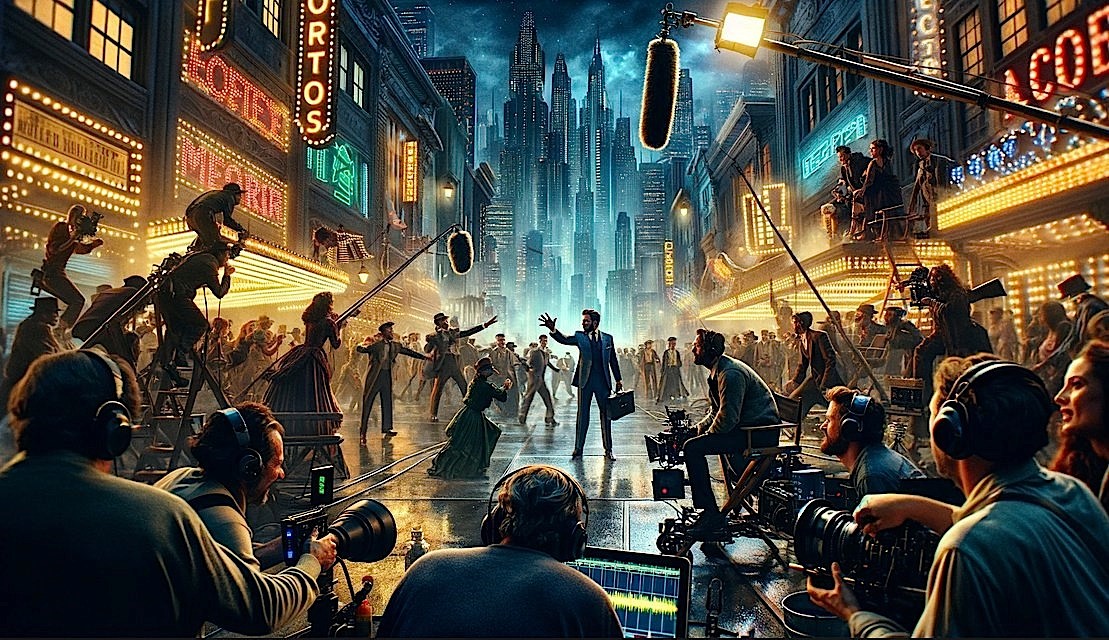
We think that combining artificial intelligence and movies is unlikely to result in a significant job loss in the movie industry. It may cause an initial reduction in some jobs, but it will ultimately lead to a major shift and create many new opportunities for people to make a living in the movie industry. The net result will be very positive, not negative.
Let’s take the example of Uber. When Uber first emerged, there were concerns that taxi drivers would lose their businesses, leading to widespread job losses. However, Uber’s impact was ultimately beneficial for many people. For the first time, numerous individuals were able to secure employment opportunities that were previously inaccessible to them without specific qualifications or extensive interviews.
Uber allowed people to use their personal vehicles to earn income, enabling thousands to make a living or supplement their existing income by working flexible schedules. Many Uber drivers have reported earning substantial incomes, in some cases as much as $12,000 per month, which is highly respectable.
Similarly, when Airbnb was introduced, there were concerns that it would decimate the hotel industry and lead to job losses. However, hotels continue to exist and thrive, with new properties being constructed regularly, indicating a healthy business environment. At the same time, Airbnb has enabled many individuals to supplement their income by renting out part of their living spaces.
In the movie industry, most films are now being produced by major studios. With budgets often ranging from $5 million for a low-budget movie to much higher figures for major films, this high barrier to entry prevents many talented individuals from participating in the industry. With artificial intelligence, however, people will be able to create movies at significantly lower costs, potentially from the comfort of their own homes using green screens and other technologies.
This accessibility will open the door for a wider range of individuals to participate in the movie-making process, including writers, producers, distributors, and advisors. Screenplays, that have traditionally been the domain of a select group of writers, could now be created by a broader pool of talented individuals. Marketing costs could also be reduced through AI, increasing the potential for movies to generate profits and encouraging further investment in the industry.
Additionally, blockchain technology could ensure proper royalty payments to producers and investors, addressing a concern that has historically deterred some from entering the industry.
It’s very possible that big studios will be not so interested in adapting AI but talented people will leave them and do their own movies cheaply and efficiently, amplifying the indie movies industry, and their ratio of 70/30 controlling the industry will go down drastically! Who will gain? You!
While there may be an initial displacement of some jobs, the increased accessibility and cost-effectiveness enabled by AI in the movie industry will ultimately create new opportunities and prosperity for a larger number of individuals. Just as Uber and Airbnb have benefited many by disrupting traditional industries, AI in the movie business has the potential to foster creativity, entrepreneurship, and financial success for a more diverse range of participants.