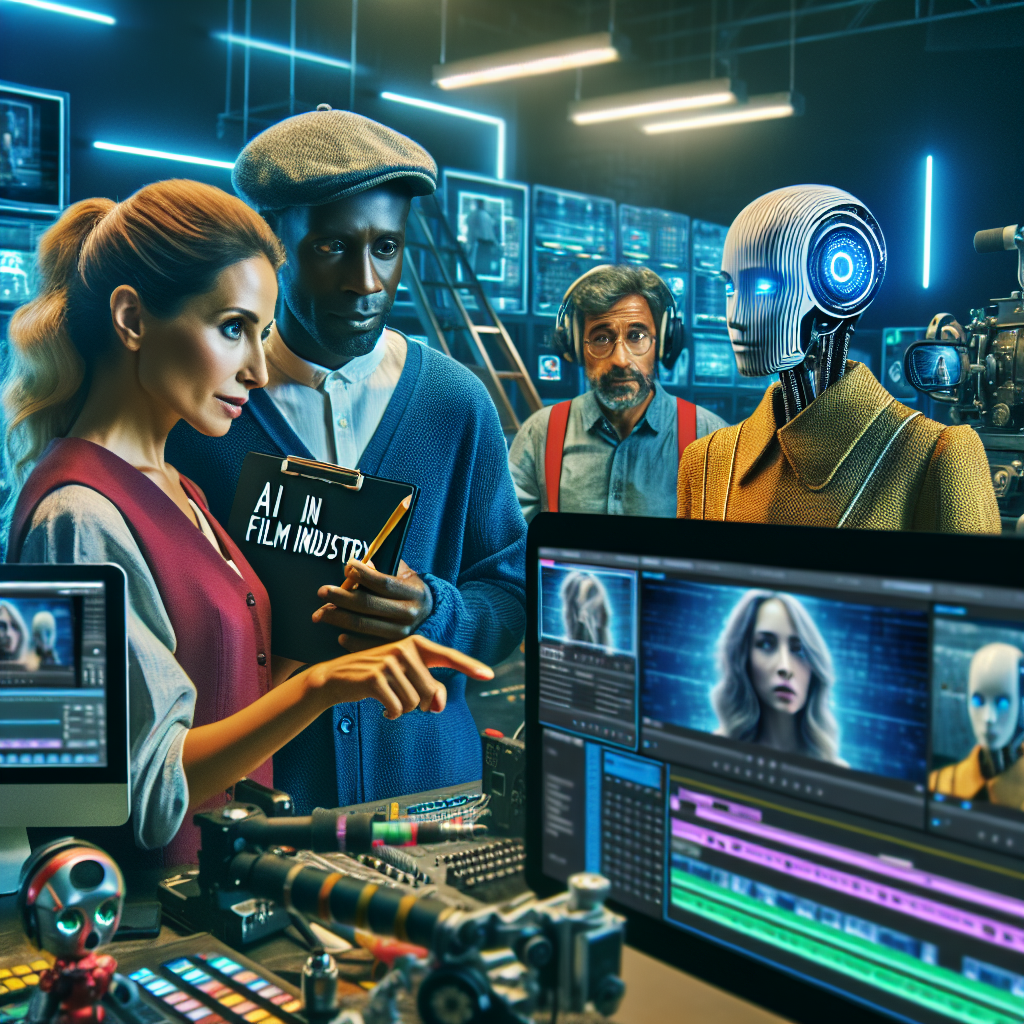
In the rapidly evolving landscape of the film industry, **artificial intelligence (AI)** stands as a disruptive force with the potential to reshape job opportunities, particularly for freelancers. As AI technology becomes more sophisticated, questions arise concerning its effects on employment within the film sector. This article delves into the influence of AI on job prospects for freelancers in filmmaking, exploring both challenges and new opportunities that may arise.
Impact of AI on the Film Industry
The integration of AI in the film industry offers transformative potential. **Artificial intelligence is revolutionizing** how films are created, edited, and marketed. By automating repetitive tasks, AI allows creatives to focus on more strategic elements, enhancing the efficiency and quality of film production. This shift is crucial in understanding how AI might alter job roles and demands for freelancers.
The Growing Role of AI
- **Editing Automation**: Software with AI capability can analyze footage and edit it with precision, assisting editors but potentially reducing the need for a larger editing team.
- **Pre-production Assistance**: AI can help with scripting by predicting dialogue effectiveness through natural language processing.
- **Content Creation**: With AI-powered algorithms, studios can now create visual effects and animations more efficiently.
- **Marketing Analysis**: AI tools analyze audience preferences and trends, tailoring promotional strategies for films.
Freelancers in the Film Industry
The film industry relies heavily on freelancers for their **flexibility and specialized skills**. From screenwriters to visual effects artists, freelancers bring unique talent and perspectives to projects. However, AI’s integration presents both a challenge and an opportunity for these professionals.
Challenges Posed by AI
- Skill Redundancy: As AI becomes capable of performing certain tasks, some skills may become redundant, potentially affecting jobs such as editors or sound designers.
- Increased Competition: AI-driven tools may enable more individuals to enter the creative process, increasing competition for freelance jobs.
- Job Displacement: Certain roles could diminish in demand as AI assumes responsibilities traditionally held by freelancers.
Opportunities Created by AI
- Skill Enhancement: The need for professionals who can operate AI tools or enhance AI-generated content creates new roles.
- Creative Collaboration: AI can augment creativity by providing new insights and suggestions, offering freelancers innovative ways to express their ideas.
- Expanded Markets: AI can enable the production of content in diverse languages, opening opportunities for cross-cultural projects and freelancers.
Future Predictions
Looking ahead, **the balance between AI and human creativity** will be pivotal. While AI can handle technical aspects, creative intuition and emotional depth remain uniquely human strengths. The future may see a **hybrid workforce** where freelancers work alongside AI, utilizing automation to enhance creativity rather than replace it.
Conclusion
The integration of AI in the film industry presents both challenges and opportunities for freelancers. To thrive, they must adapt to this **technological evolution** by embracing new tools, expanding their skills portfolio, and finding unique ways to combine their creativity with AI capabilities. Ultimately, while AI may change the landscape, human creativity and innovation will remain essential assets in the film industry.