
“`html
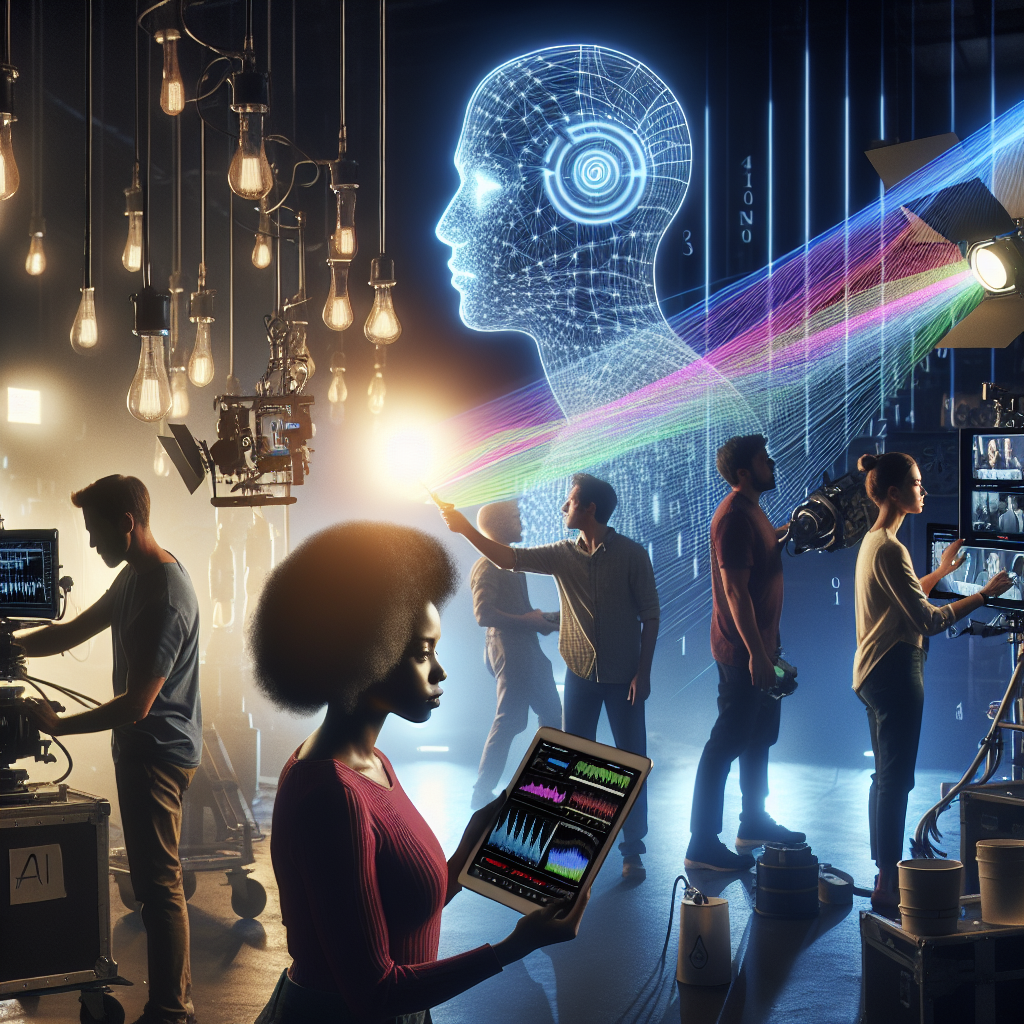
In the ever-evolving realm of filmmaking, the **integration of Artificial Intelligence (AI)** into various facets of production is making waves. Among these advancements, the use of AI in **enhancing lighting design** stands out as a game-changer. Lighting is crucial in setting the mood, tone, and overall aesthetics of a film. With AI, filmmakers now have unprecedented control and flexibility in simulating realistic lighting effects, optimizing lighting setups, and even predicting lighting needs based on scene analysis. This transformative technology is reshaping the way we perceive and implement lighting in films, ensuring that visuals are more captivating than ever before.
The Importance of Lighting in Filmmaking
Lighting is not just about illumination. It plays a crucial role in creating mood, defining space, and guiding the viewer’s focus. The right lighting can intensify emotions, reveal character depth, and establish narrative arcs. **Poor lighting**, on the other hand, can detract from these elements, making scenes appear flat and lifeless.
AI Integration in Lighting Design
AI is being woven into the fabric of lighting design, providing filmmakers with robust tools to elevate their craft. Here’s how:
- Predictive Analysis: AI can analyze scripts and suggest optimal lighting setups based on the narrative, location, and mood.
- Real-time Adjustments: During shoots, AI systems can adapt lighting conditions dynamically, compensating for changes in natural light or unexpected obstacles.
- Simulation: Before filming begins, AI-driven software helps **visualize complex lighting setups**, ensuring every shadow and highlight is intentional.
Benefits of AI-Driven Lighting Design
- **Increased Efficiency:** AI reduces trial and error, allowing crews to focus on creativity rather than logistics.
- **Cost-Effective Solutions:** By minimizing waste and optimizing resource use, AI can significantly cut down production costs.
- **Enhanced Creativity:** With AI handling technical details, artists can push boundaries and experiment with novel ideas.
AI Tools and Technologies in Use
Several cutting-edge tools are at the forefront of AI lighting design:
- Scene Illumination Analysis Software: Assesses scenes for optimal lighting configurations.
- Dynamic Lighting Controllers: Adjusts lighting in real-time based on AI predictions.
- Virtual Reality (VR) Simulators: Provides immersive experiences for planning and pre-visualizing lighting setups.
Case Studies of AI Lighting in Films
The practical application of AI in lighting design can be observed in several recent films:
- “AI-Driven Shadows”: A sci-fi thriller that utilized AI to create dynamic shadow effects, adding layers of suspense.
- “Illuminate the Future”: A futuristic drama where AI-assisted lighting design enhanced the ambient motifs, providing deeper narrative immersion.
Challenges and Limitations
Despite its advantages, AI in lighting design faces several challenges:
- **Complexity of Implementation:** Integrating AI systems can be resource-intensive and require specialized expertise.
- **Artistic Constraints:** Over-reliance on AI may stifle traditional artistic techniques and human intuition.
- **Technical Hurdles:** AI systems need constant updates and calibrations to keep pace with evolving lighting technologies.
Future Trends in AI Lighting Design
The future of AI in lighting sees exciting possibilities:
- **Greater Personalization:** Films could provide audiences with customizable viewing experiences, allowing individuals to choose different lighting styles.
- **Collaboration with Other AI Disciplines:** Integration with AI-driven sound and editing tools to create a more synchronized production workflow.
- **Advanced Training Data:** Richer datasets will enable AI systems to learn from thousands of cinematographic styles, further refining their capabilities.
Conclusion
The use of AI to enhance lighting design in filmmaking is a **paradigm shift** that combines art with cutting-edge technology. While challenges remain, the potential for AI to streamline production processes and unlock new creative possibilities is immense. As AI continues to evolve, its impact on lighting and the broader film industry will undoubtedly grow, heralding a new era of cinematic artistry.
“`