
“`html
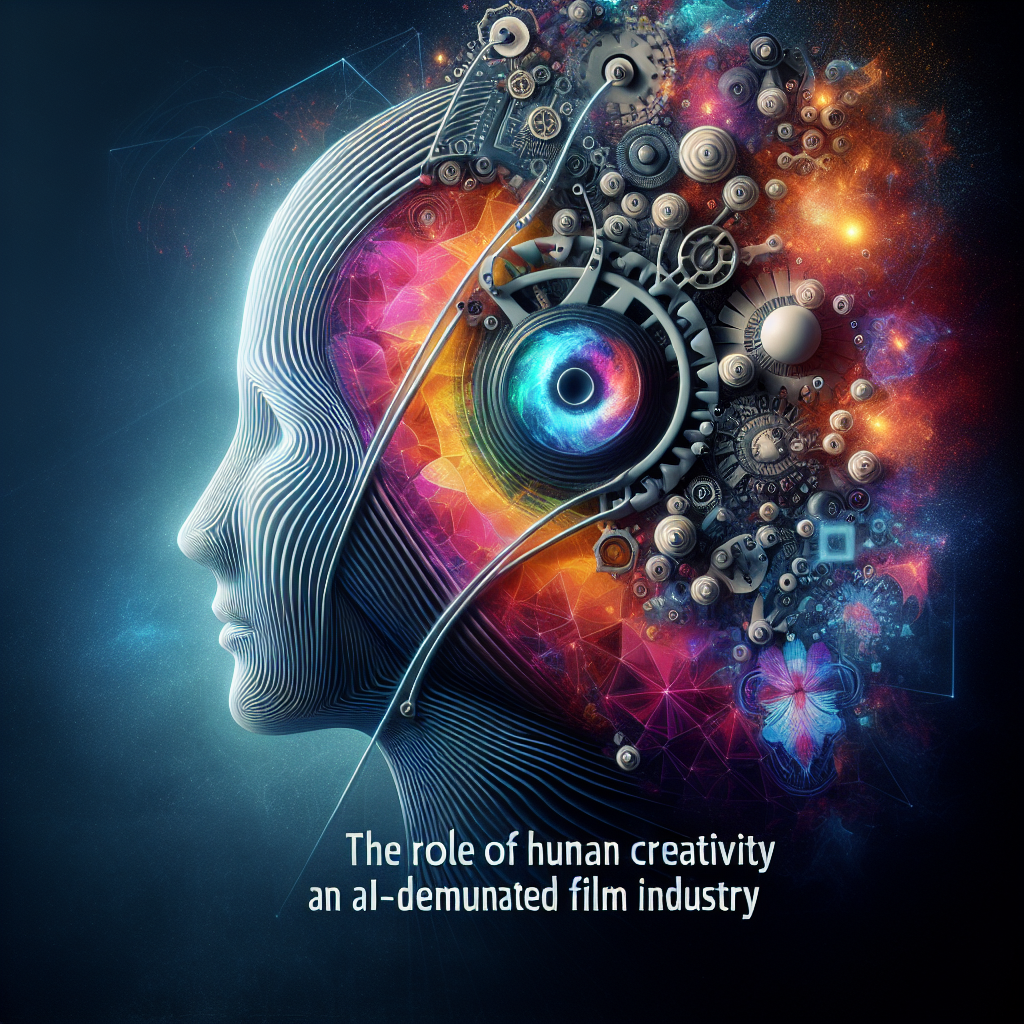
In recent years, the film industry has witnessed an unprecedented integration of artificial intelligence (AI), fundamentally transforming various aspects of film production, from pre-production to post-production. Despite the growing prominence of AI, human creativity continues to play a pivotal role in this AI-dominated landscape. This article explores the indispensable contributions of human creativity amid the rise of AI technologies in filmmaking.
Introduction: Navigating an AI-Driven Film Industry
The film industry is at a crossroads, where the rapid progression of AI technologies intersects with the profound depth of human creativity. Filmmakers are now navigating a unique terrain where AI’s capabilities add precision, efficiency, and innovation to the art of storytelling. Yet, it is the human touch that breathes life into stories, ensuring they resonate emotionally with audiences worldwide. This synergy between AI and creativity is not just a fleeting trend; it is shaping the future of filmmaking as we know it.
The Essence of Human Creativity in Filmmaking
Human creativity remains the bedrock of storytelling in cinema. It is the visionary intellect of writers, directors, and artists that forms the blueprint of a film’s narrative. Here are a few areas where human creativity is irreplaceable:
- Story Development: Human writers craft compelling stories infused with emotion, metaphor, and subtlety that are challenging for AI to replicate authentically.
- Character Creation: Through imaginative character arcs and emotional depth, filmmakers create relatable characters that resonate on a personal level with viewers.
- Artistic Direction: Creative judgment in visual styling, color palettes, and thematic representation remains a deeply human endeavor.
The Impact of AI on the Film Industry
AI has brought transformative changes to the film industry, optimizing numerous processes. Its integration is prominently observed in the following areas:
- Editing and Visual Effects: AI enhances editing efficiency by automating repetitive tasks and generating high-quality visual effects with precision.
- Predictive Analytics: AI tools analyze audience preferences, assisting filmmakers in predicting trends and making informed content decisions.
- Scriptwriting Assistance: AI applications provide structural suggestions and dialogue options, aiding writers in refining their scripts.
Achieving Symbiosis: AI and Human Collaboration
For the film industry to reach its full potential, fostering cooperation between AI and human creativity is paramount. This collaboration can be realized by:
- Integrative Tools: Utilizing AI as a tool that complements human creativity rather than replacing it, enhancing overall project quality and innovation.
- Workshops and Training: Providing education for creatives to understand and harness AI technologies, encouraging seamless integration.
- Collaborative Platforms: Developing digital spaces where tech experts and creatives can collaborate, fostering groundbreaking storytelling approaches.
Challenges and Considerations
Despite the numerous advantages, several challenges persist in the AI and human creativity integration:
- Technological Over-reliance: Over-reliance on AI could lead to a lack of originality, stifling creative innovation.
- Ethical Concerns: Ensuring ethical considerations in AI applications, such as bias and intellectual property rights, is crucial.
- Job Displacement: Balancing AI roles to prevent job loss and maintaining opportunities for human creatives is necessary.
Future Trends: What’s Next for Filmmaking?
The future of filmmaking promises an exciting blend of AI advancements and human creativity. Key trends to watch for include:
- Interactive Storytelling: AI-driven interactive experiences that engage audiences directly, allowing viewers to influence plot developments.
- Hyper-realistic Characters: AI-generated characters that achieve greater emotional depth and realism through advanced algorithms.
- Sustainability Initiatives: AI’s role in promoting sustainable practices in production, reducing waste, and optimizing resource usage.
Conclusion: Embracing Both AI and Human Ingenuity
The film industry stands at a transformative junction where the interplay between human creativity and AI innovation shapes cinematic narrative and production. By valuing and nurturing these synergies, artists and technologists can create evocative stories that captivate audiences, ensuring that both AI and human ingenuity flourish in harmony. This balanced approach not only enriches the filmmaking process but also creates a future where technology serves as an ally to human creativity, amplifying its boundless potential.
“`