
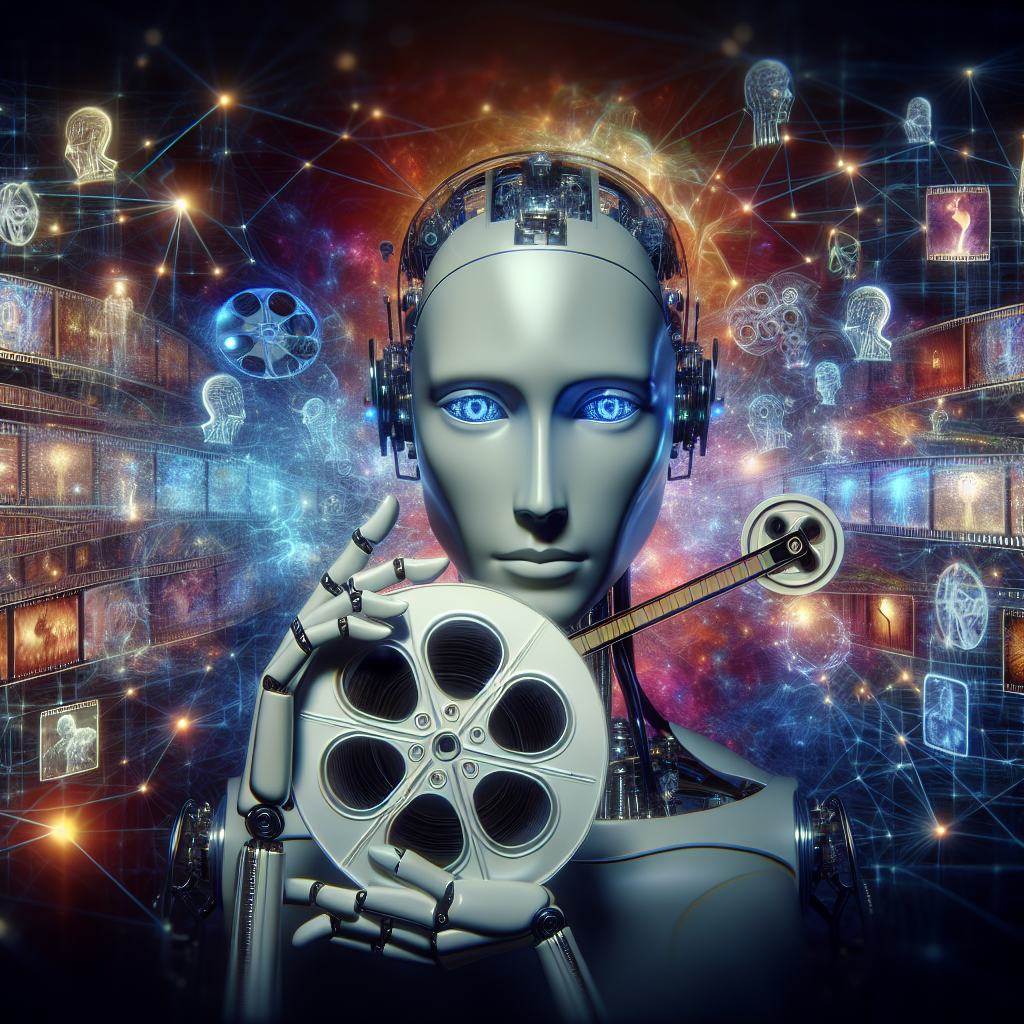
In recent years, the intersection of artificial intelligence (AI) and cinematic storytelling has created a buzz in both the tech and film industries. AI-driven technologies are revolutionizing how stories are conceived, produced, and experienced, paving the way for a new era in cinema. From scriptwriting to post-production, AI is transforming not only the creative process but also the audience interaction, offering groundbreaking possibilities for filmmakers and viewers alike. This article delves into the multifaceted role of AI in shaping the future of cinematic storytelling, highlighting its current applications, potential innovations, and the challenges and opportunities it presents.
The Impact of AI on Film Production
Artificial intelligence is reshaping the way films are produced by optimizing various elements of the filmmaking process. **Automation** and **data analysis** are key areas where AI contributes significantly. Some impactful applications include:
- **Pre-production Optimization**: AI tools assist in budgeting and scheduling by predicting costs and timelines based on data from previous projects.
- **Casting Insights**: Programs analyze actors’ popularity and suitability for roles by examining social media trends and previous performances.
- **Marketing Strategies**: AI algorithms analyze audience preferences, enabling targeted marketing campaigns that increase engagement and box office success.
AI in Scriptwriting
AI is not just a tool for analysis; it’s also a creative partner in the scriptwriting process. AI-driven software is being used to:
- Create story outlines by generating plot ideas based on genre conventions.
- Analyze and improve existing scripts by identifying potential weaknesses in dialogue or narrative structure.
- Enhance creativity by offering unique prompts and scenario suggestions, sparking inspiration for writers.
AI doesn’t replace the human touch but rather complements it, offering **collaborative possibilities** that could lead to more enriched storytelling.
AI-Driven Cinematography and Visual Effects
Visual storytelling has reached new heights with AI-driven cinematography and visual effects (VFX). Key contributions include:
- **Enhanced VFX**: AI streamlines complex visual effects tasks, reducing time and cost without compromising quality.
- **Adaptive Lighting and Angles**: Intelligent cameras adjust in real-time for optimal shooting conditions, enhancing visual storytelling.
- **Real-time Previewing**: Directors and cinematographers can visualize completed scenes instantly, facilitating immediate adjustments.
Personalized Viewing Experiences
AI revolutionizes how audiences engage with films, offering **customized content** tailored to individual preferences:
- **Interactive Films**: Viewers can make decisions that influence the narrative, creating a unique experience for everyone.
- **Content Recommendation**: Advanced algorithms suggest films based on viewing history, ensuring highly personalized content delivery.
This personalized approach fosters deeper viewer engagement and could reshape how content is consumed in the future.
Ethical Considerations and Challenges
While AI presents numerous advantages, it also poses several ethical challenges, such as:
- **Intellectual Property**: The question of who owns AI-created content remains an area of ongoing debate.
- **Bias in AI Algorithms**: Ensuring fair representation in AI-driven storytelling requires constant vigilance and correction of biases.
- **Impact on Employment**: As more tasks are automated, there’s concern about AI displacing human jobs within the film industry.
Future Prospects of AI in Cinema
The future of AI in cinema holds limitless potential, promising further transformations that will continue to redefine the industry. Innovations on the horizon include:
- **Enhanced Creative Collaboration**: More intuitive AI tools will support creative efforts, offering deeper insights and inspiration.
- **Expanded Narrative Formats**: AI may enable new storytelling formats that are interactive and adaptive, offering fresh viewing possibilities.
- **Global Storytelling Platforms**: AI could assist in breaking language and cultural barriers, providing globally accessible content.
As film and technology unite, the storytelling landscape will evolve, driven by creativity and AI’s boundless possibilities.
In conclusion, AI is set to transform cinematic storytelling in unprecedented ways. The challenges are significant, but so are the opportunities for innovation and growth. Filmmakers and tech pioneers must continue to explore these new frontiers, ensuring that the human element remains at the heart of storytelling while embracing the efficiencies and capabilities that AI brings.