
“`html
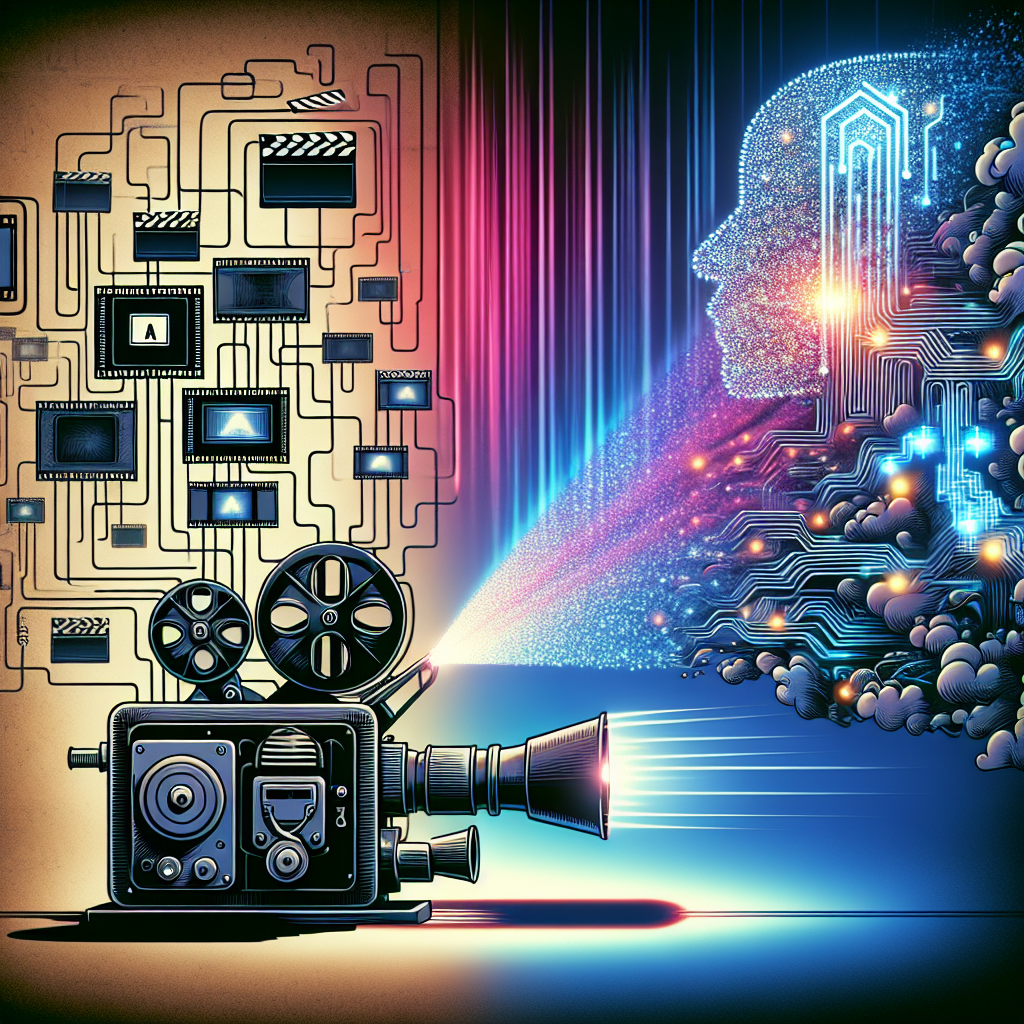
In the rapidly evolving world of entertainment, technology continues to play a transformative role. The film industry, a quintessential part of this realm, is experiencing radical changes, primarily driven by advancements in Artificial Intelligence (AI). AI is not just reshaping the way contemporary films are created or visual effects are executed; it’s also reimagining classic films for modern audiences. This article delves into how AI is breathing new life into these timeless cinematic pieces, making them relevant and attractive to today’s tech-savvy viewers.
How AI Enhances Classic Films
AI is revolutionizing the film industry by enhancing the quality and accessibility of classic movies. Here’s how:
- Upscaling Resolution: AI algorithms use deep learning to upscale low-resolution footage to 4K and beyond, offering clearer and more detailed visuals.
- Improved Visual Effects: By applying state-of-the-art visual effects, AI revamps old movies to meet today’s high-definition standards.
AI Techniques in Restoration and Colorization
The restoration and colorization of classic films have always been intricate processes. However, AI has streamlined these tasks:
- Restoration: AI-driven software can detect and eliminate scratches, dust, and other inconsistencies in film reels.
- Colorization: Classic black-and-white movies are vividly colorized using AI, offering a fresh perspective while maintaining historical integrity.
Revitalizing Audio and Soundtracks
Audio plays a crucial role in cinematic experiences. AI can significantly enhance these aspects:
- Sound Enhancement: AI techniques clarify and improve the audio quality, ensuring a richer auditory experience.
- Score Replacement: AI can assist composers in generating new soundtracks that resonate with contemporary audiences while respecting the film’s original essence.
AI-Generated Scripts: Breathing New Narratives
AI is not only an asset in technical areas but also in creative processes. By utilizing AI, filmmakers can:
- Create Alternate Endings: AI can analyze audience preferences and generate alternative plotlines or endings.
- Facilitate Remakes: Through data analysis, AI provides insights into successful elements of scripts, guiding modern remakes that appeal to new generations.
Tailoring to Modern Audiences’ Preferences
Understanding the preferences of modern audiences is critical in revamping classic films. AI helps in:
- Audience Analysis: AI tools analyze viewing patterns and feedback to customize film aspects to suit current trends.
- Interactive Features: AI can introduce interactive components, such as choosing character actions, providing an immersive experience.
Ethical and Artistic Considerations
While AI brings myriad advantages, filmmakers must also address essential ethical and artistic concerns:
- Preserving Originality: There’s a fine line between enhancing and altering original masterpieces. Maintaining authenticity is vital.
- Creators’ Intentions: AI-led modifications should honor the original creators’ vision and intentions to preserve their legacy.
The Future of AI in Film Technology
The integration of AI in reimagining classic films is just the beginning. As technology advances, potential developments include:
- Advanced Human-AI Collaboration: Filmmakers working alongside AI will perfect the balance between technology and creativity.
- Deep Learning Innovations: Emerging technologies will allow films to evolve dynamically based on audience engagement and preferences.
In conclusion, AI’s role in reimagining classic films presents an exciting avenue to merge nostalgia with innovation. As the film industry continues to embrace these technologies, audiences can look forward to enjoying their beloved classics in new, imaginative ways.
“`