
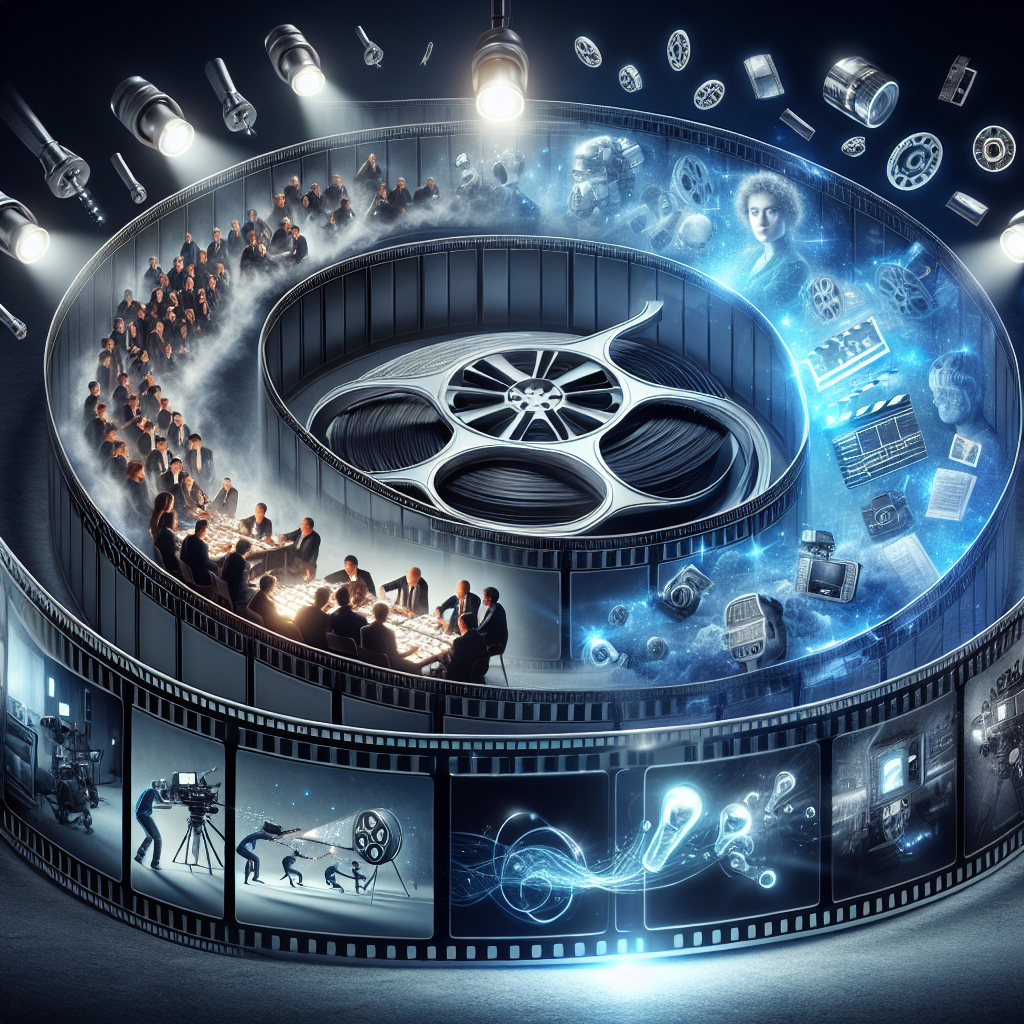
In recent years, Artificial Intelligence (AI) has rapidly transformed various industries, and filmmaking is no exception. From pre-production to post-production, AI is revolutionizing the way movies are made, enhancing creativity, efficiency, and precision. In this article, we will explore the multifaceted role of AI in the filmmaking process, detailing how it is being utilized at every stage to reshape the industry.
Article Outline:
Pre-Production
The pre-production phase of filmmaking involves planning and preparation before the actual shooting begins. AI tools are playing an increasingly pivotal role in this phase.
- Script Analysis: AI algorithms can analyze scripts for potential plot holes, character development, and emotional arcs. This ensures a more coherent and engaging storyline.
- Casting: AI databases and facial recognition software can match actors with roles based on physical attributes and acting strengths. This streamlines the casting process and enhances role suitability.
- Budgeting and Scheduling: AI-powered tools help in creating detailed budgets and shooting schedules by analyzing past data. This leads to more accurate planning and resource allocation.
- Location Scouting: AI can analyze geographical data and recommend suitable filming locations, factoring in lighting, weather conditions, and logistical considerations.
Production
During the production phase, AI technologies assist filmmakers in real-time to ensure smooth and efficient shooting processes.
- Drone Cinematography: AI-enhanced drones allow for precise control and dynamic shots that were previously difficult or impossible to achieve.
- Camera Automation: AI systems can automate cameras to track movements and maintain focus on subjects, reducing the need for manual adjustments and increasing shot accuracy.
- Virtual Assistants: AI-driven virtual assistants can manage on-set activities, ensuring that tasks are executed on schedule and that key aspects are not overlooked.
- Real-Time Feedback: AI tools provide instant feedback on shots, suggesting improvements and minimizing the need for reshoots.
Post-Production
Post-production is a critical phase where AI technologies truly shine, offering unprecedented capabilities to enhance, edit, and finalize films.
- Video Editing: AI-driven editing software can sift through hours of footage to select the best takes, streamline the editing process, and suggest optimal cuts and transitions.
- Special Effects (VFX): AI enhances VFX by automating complex tasks such as rotoscoping, compositing, and creating realistic CGI elements seamlessly integrated into live-action footage.
- Sound Design: AI can assist in sound editing by analyzing audio tracks, minimizing background noise, and syncing sound effects with visual components.
- Color Grading: Advanced AI algorithms provide detailed color analysis and grading suggestions, ensuring visual consistency and enhancing the overall aesthetic appeal of the film.
- Marketing and Distribution: AI tools analyze audience data to create targeted marketing campaigns and optimize film distribution strategies for maximum reach and engagement.
The Future of AI in Filmmaking
As AI technology continues to evolve, its impact on filmmaking will only grow, leading to even more revolutionary advancements.
- The potential for fully AI-generated films, from scriptwriting to final production, is on the horizon.
- AI could provide real-time audience feedback during screenings, allowing filmmakers to adapt content for better reception.
- Enhanced collaborative tools powered by AI will enable global teams to work more efficiently on film projects.
In conclusion, AI is becoming an integral part of the filmmaking process, ushering in a new era of creativity, efficiency, and innovation. As technology continues to advance, the possibilities for AI in filmmaking are boundless, promising a future where the art of cinema is more dynamic and accessible than ever before.