
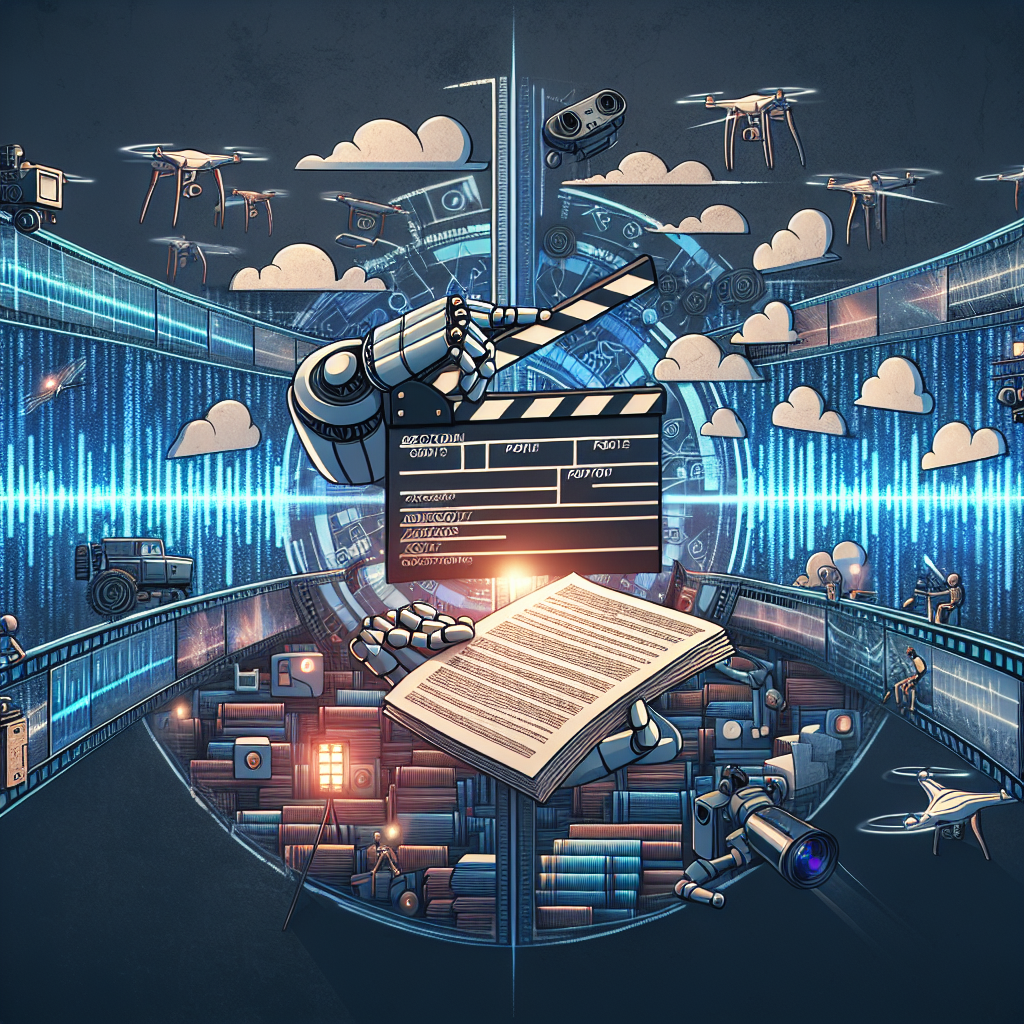
“`html
Artificial Intelligence (AI) is rapidly transforming the world of filmmaking, offering new opportunities and innovative solutions. However, the integration of AI in this creative industry also raises a set of unique ethical concerns and challenges. This article delves into the role AI plays in modern filmmaking, its benefits, and the complex ethical landscape that filmmakers must navigate.
Introduction
The intersection of film and technology has always been a fertile ground for innovation. From the silent movies of the early 20th century to the CGI-laden blockbusters of today, advances in technology have constantly redefined the cinematic experience. Enter Artificial Intelligence—a transformative force that’s becoming a cornerstone in filmmaking. As filmmakers continue to harness its capabilities, the questions of ethical use and implementation present a new dimension of complexity.
AI in Filmmaking: Benefits
Artificial intelligence offers several advantages to filmmakers, making production processes more efficient and opening new creative possibilities.
- Content Generation: AI tools can assist in scriptwriting and storyboarding, enabling filmmakers to develop innovative narratives.
- Special Effects and Animation: AI-driven applications streamline complex animations and realistic special effects.
- Cost-effective Production: Automating certain production aspects reduces time and budget requirements.
- Enhanced Editing: AI software assists editors in managing massive amounts of footage, offering intelligent recommendations for the best takes and clips.
Ethical Concerns
As AI systems become more embedded in filmmaking, ethical concerns come into focus.
- Intellectual Property Rights: Who owns the content created by AI? Determining the rightful ownership of AI-generated content is complex.
- Authenticity and Creativity: As AI generates art, maintaining the authenticity and uniqueness of human creativity becomes a pressing issue.
- Bias and Representation: AI systems trained on biased data could perpetuate stereotypes, leading to misrepresentation in films.
Challenges Faced by Filmmakers
The integration of AI poses several challenges that filmmakers must overcome:
- Skill Gap: There’s a significant learning curve for filmmakers to become proficient with new AI technologies.
- Resistance to Change: Traditional filmmakers may resist AI innovations due to fear of losing creative control.
- Data Security: Handling large amounts of data required for AI poses security risks, including breaches and misuse.
Future Prospects of AI in Film
Looking ahead, the role of AI in filmmaking is poised for expansion, paving the way for groundbreaking developments.
- Personalized Viewing Experience: AI could customize content based on viewer preferences, changing how audiences interact with films.
- Interactive Storytelling: AI-enhanced films offer the potential for interactive storytelling, allowing viewers to influence narratives.
- New Genre Development: AI may create entirely new genres by merging different types of media and narratives.
Conclusion
The role of AI in filmmaking is undeniably transformative, offering unprecedented opportunities for innovation and efficiency. However, as AI continues to weave itself into the cinematic fabric, ethical challenges and industry resistance must be skillfully managed. As we advance into this dynamic era, balance will be key. Filmmakers, technologists, and policy-makers must continuously collaborate to harness the benefits of AI while addressing its ethical and practical challenges.
“`