
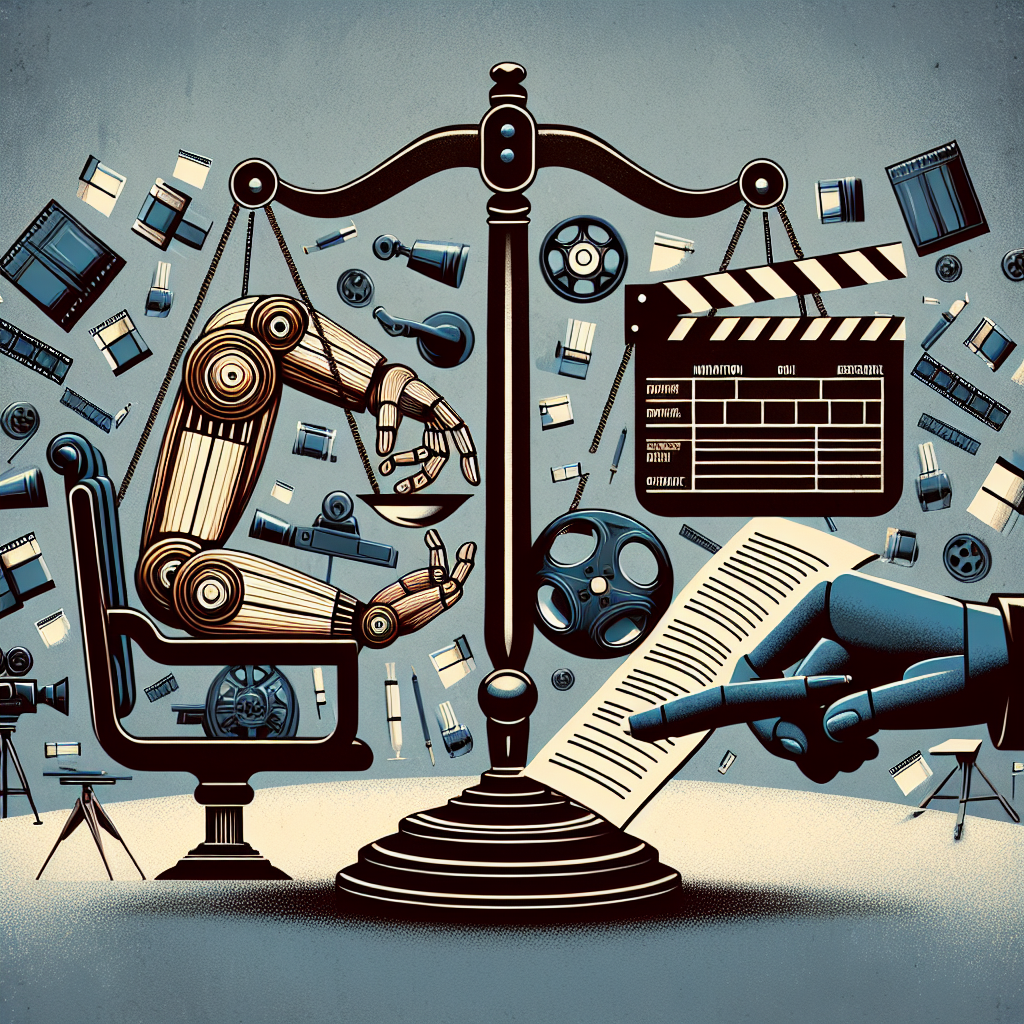
In recent years, artificial intelligence (AI) has revolutionized various industries, and the film industry is no exception. From enhancing visual effects to predicting box office hits, the role of AI in film is expanding rapidly. However, as we embrace these innovations, it’s crucial to balance them with ethical responsibility. This article delves into the multifaceted impact of AI on filmmaking, examining both its benefits and ethical considerations.
Article Outline
- Enhancing Visual Effects
- Predictive Analytics and Market Research
- Automated Editing and Content Creation
- Ethical Considerations
- Future Prospects
Enhancing Visual Effects
Visual effects (VFX) play a critical role in modern filmmaking. AI algorithms can generate hyper-realistic imagery that was previously unthinkable. With AI, filmmakers can:
- Render Complex Scenes: Algorithms can process vast amounts of data, rendering intricate scenes faster and more accurately.
- De-aging Actors: AI can age or de-age actors, providing alternatives to expensive and time-consuming practical effects.
- Create Digital Doubles: AI-generated digital doubles can perform stunts or appear in crowd scenes, reducing the risk to human actors.
Predictive Analytics and Market Research
Predictive analytics powered by AI can forecast box office performance with a higher degree of accuracy. This helps studios make data-driven decisions. Key applications include:
- Script Analysis: AI can assess the commercial viability of a script by analyzing trends and audience preferences.
- Targeted Marketing: By analyzing social media and other data, AI can help in crafting personalized marketing strategies.
- Release Timing: Algorithms can predict the best times to release movies to maximize audience engagement and revenue.
Automated Editing and Content Creation
AI’s role in editing and content creation is growing, providing filmmakers with tools that can significantly reduce production time:
- Automatic Scene Selection: AI can identify the best takes and automatically assemble a rough cut of a film.
- Subtitle Generation: Automatic transcription and subtitle generation save both time and money.
- Storyboarding: AI can generate storyboards based on a script, helping directors visualize scenes before shooting.
Ethical Considerations
While AI offers numerous benefits, it also poses ethical challenges that the film industry must address:
- Job Displacement: Automation could lead to job losses in areas like editing, VFX, and even screenwriting.
- Deepfakes: The misuse of AI to create realistic but deceptive videos can have serious implications for misinformation and privacy.
- Bias and Representation: AI algorithms can perpetuate existing biases in data, affecting representation in films and media.
Future Prospects
The future of AI in film is incredibly promising, but it requires a balanced approach:
- Enhanced Creativity: AI can serve as a tool to unlock new creative potentials, enabling filmmakers to push the boundaries of storytelling.
- Ethical AI Development: Collaboration between technologists, ethicists, and filmmakers is essential to develop AI responsibly.
- Regulation and Guidelines: Industry-wide guidelines can ensure that AI is used ethically, protecting both creators and audiences.
In conclusion, AI is transforming the film industry in unprecedented ways, offering both opportunities and challenges. By embracing technological innovations while adhering to ethical principles, the film industry can harness the power of AI to enhance creativity and business success.