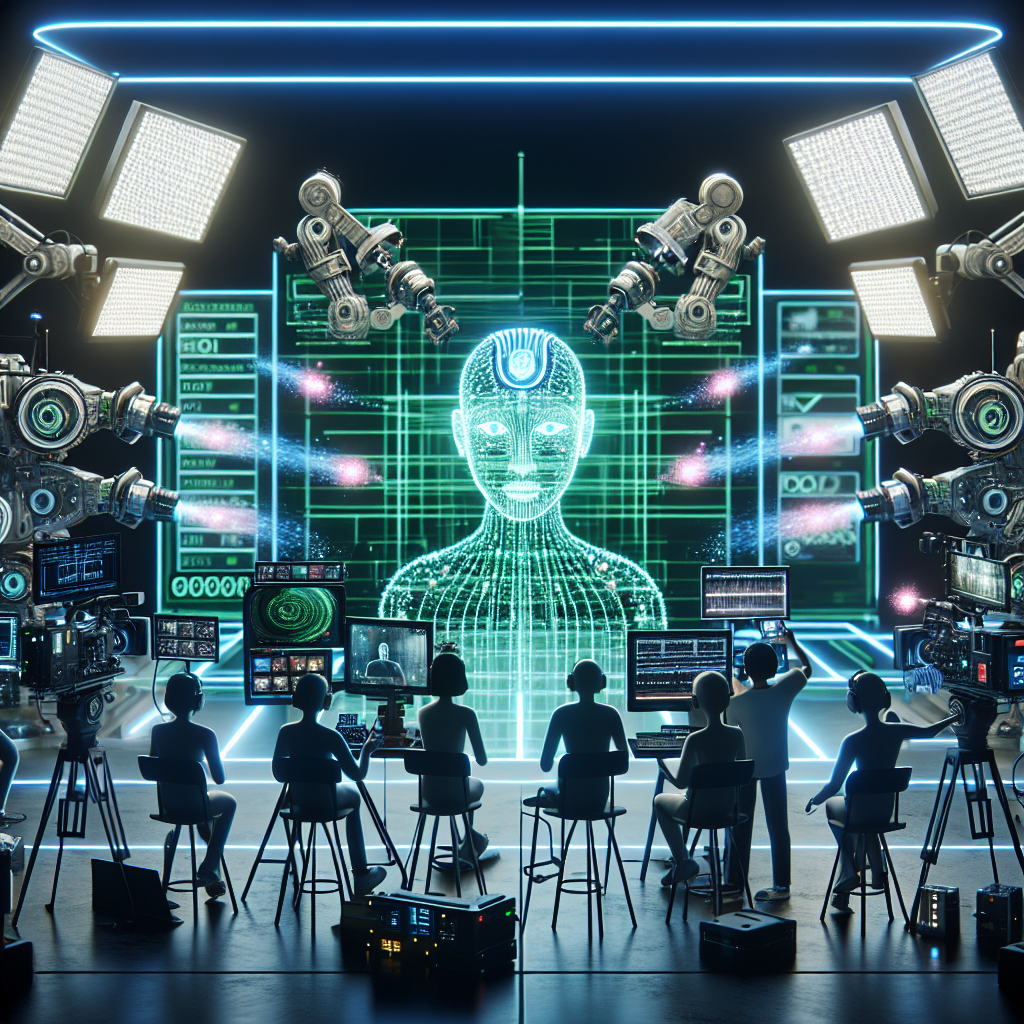
Artificial Intelligence (AI) is rapidly transforming various industries, and the film production sector is no exception. The integration of AI into filmmaking processes is revolutionizing how movies are conceived, produced, and experienced. By enhancing efficiency and creativity, AI is paving the way for a future where the possibilities in film production are practically limitless.
Introduction
As technology continues to advance, the film industry is gradually embracing AI to streamline and augment various aspects of movie production. From automated script analysis to post-production enhancements, AI tools are increasingly becoming indispensable. In this blog post, we will explore how AI is impacting the different phases of film production, making processes smoother, faster, and more creative while ensuring a higher degree of quality control.
AI in Pre-Production
Pre-production is a critical phase in film making that involves planning and preparing all elements before shooting begins. AI is significantly enhancing this phase through:
- Script Analysis: AI algorithms can analyze scripts for content, tone, marketability, and even predict box office performance.
- Casting: Advanced AI tools can analyze actors’ previous performances to help identify the perfect cast for a role.
- Storyboarding: Automated storyboarding software helps creators visualize the movie scene-by-scene, saving time and effort.
- Budgeting and Scheduling: AI-driven tools can optimize budgets and schedule timelines efficiently, taking into account various factors like location, actor availability, and equipment costs.
AI During Production
AI’s role during the production phase is evolving, with smart systems and tools being utilized to enhance various aspects:
- Camera Operation: AI-powered cameras can adjust settings in real-time for optimal shots, reducing human error and improving quality.
- Automated Drones: Drones equipped with AI can perform complex aerial shots with precision, offering new perspectives and creative possibilities.
- Lighting: AI technology can simulate different lighting conditions and automate adjustments, ensuring consistency and saving time.
- Virtual Production: AI-driven virtual sets can replace physical locations, allowing for more flexibility and lower costs.
AI in Post-Production
Post-production is where the raw footage is transformed into the final product, and AI is proving to be a game-changer in this phase as well:
- Editing: AI editing tools can automatically cut and sequence scenes based on the script, making the process faster and more efficient.
- Special Effects: AI algorithms can create realistic visual effects, from CGI characters to complex environments, with a high degree of accuracy.
- Color Grading: Automated color grading tools use AI to enhance and correct colors, ensuring visual consistency across scenes.
- Audio Enhancement: AI can clean up audio tracks, remove noise, and balance sound levels, making post-production sound engineering more straightforward.
AI in Film Distribution
AI is also revolutionizing how films are distributed and marketed:
- Targeted Marketing: AI tools analyze audience data to create targeted marketing campaigns, ensuring that promotional efforts reach the right audience.
- Content Recommendations: Streaming platforms use AI algorithms to recommend films based on user preferences and viewing history.
- Dynamic Pricing: AI can adjust ticket prices based on demand forecasts, optimizing revenue for theaters and streaming services.
Enhancing Viewer Experiences
AI not only impacts production but also enhances how audiences experience films:
- Interactive Content: AI-driven interactive movies provide viewers with choices that influence the storyline, making each viewing unique.
- Enhanced Accessibility: AI generates real-time subtitles and dubbing in multiple languages, making films accessible to a broader audience.
- Immersive Experiences: AI and VR (Virtual Reality) technologies are creating immersive movie experiences that take storytelling to a new level.
Future Possibilities
As AI technology continues to evolve, the future possibilities for film production are boundless:
- Fully Automated Filmmaking: The potential for AI to handle end-to-end production, from scripting to editing, could become a reality.
- Enhanced Creativity: AI will provide filmmakers with advanced tools and insights, fostering greater innovation and creative expression.
- Real-Time Virtual Sets: AI could facilitate real-time adjustments and interactions within virtual sets during live shooting.
- Smart Actor Doubles: AI-generated digital doubles could perform stunts and shoot scenes, reducing risks for human actors.
- Personalized Content: AI could offer personalized viewing experiences by dynamically altering movie plots or endings based on viewer preferences.
In conclusion, AI is poised to have a profound impact on the future of film production. By enhancing efficiency, creativity, and viewer experiences, AI technologies are set to revolutionize the industry, making filmmaking more accessible and innovative than ever before. As we continue to embrace these advancements, the possibilities for the film industry are truly limitless.