
“`html
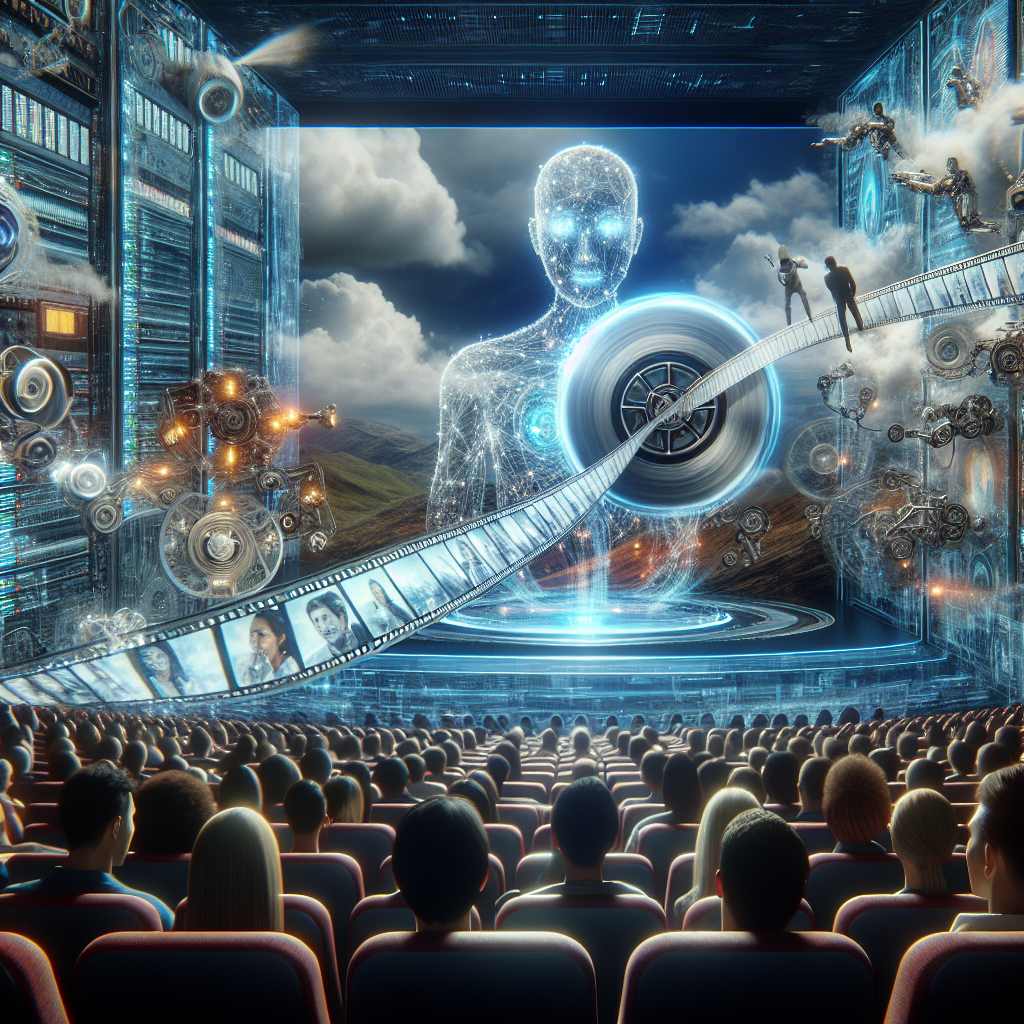
In an era of rapid technological advancements, the movie theater experience faces significant challenges and opportunities due to AI-driven filmmaking. With artificial intelligence revolutionizing how films are made, produced, and consumed, traditional cinema faces an existential question: How do movie theaters adapt and evolve in this AI-driven world?
Article Outline
- The Evolution of AI in Film Production
- Impact of AI on Traditional Cinema
- Enhancing the Movie Theater Experience with AI
- Challenges and Opportunities for Movie Theaters
- The Future Outlook for Movie Theaters
The Evolution of AI in Film Production
Artificial Intelligence is transforming the filmmaking process from scriptwriting to post-production. **AI algorithms** are being used to analyze audience preferences, allowing studios to tailor their content to better match viewer interests. **Scriptwriting software** powered by AI assists writers in creating narratives that resonate with audiences, while **AI-driven editing tools** enable more efficient post-production phases.
- AI in Screenwriting: Offers data-driven insights into popular themes and story arcs.
- AI in Editing: Automates mundane editing tasks, freeing up creative potential.
- AI in CGI: Enhances visual effects with precision and efficiency.
Impact of AI on Traditional Cinema
The advent of AI has significantly altered the moviemaking landscape, and its impact on traditional cinema is profound. With AI, **streaming platforms** increasingly dictate market trends, putting pressure on theaters to innovate.
- The Rise of Streaming: Directly challenges the exclusivity theaters once had.
- Content Personalization: AI-driven recommendations affect audience expectations and viewing habits.
- Cost-Efficiency: AI reduces production costs, potentially limiting traditional film budgets.
Enhancing the Movie Theater Experience with AI
To stay relevant, movie theaters can integrate AI technology to enhance the viewing experience. Through AI, cinemas can provide **immersive, personalized experiences** that rival home viewing.
- **Smart Ticketing Systems**: AI optimizes seat selection and offers dynamic pricing options.
- Enhanced Audio-Visuals: AI-powered projection and sound systems provide superior quality.
- Personalized Intermission Content: AI suggests trailers and ads tailored to audience interests.
Challenges and Opportunities for Movie Theaters
While AI presents numerous opportunities for theaters, several hurdles must be overcome. Movie theaters must address these **challenges** to fully leverage AI technology.
- **Competition with Streaming**: Theaters must differentiate themselves from home entertainment.
- Data Privacy Concerns: Using AI to collect viewer data raises privacy issues that need to address.
- Infrastructure Investment**: Upgrading to AI-enabled systems requires significant financial resources.
Opportunities, however, include:
- Creating Unique Experiences: AI enables personalized, memorable theater experiences.
- Partnering with Tech Companies: Collaboration with tech firms can bring advanced innovations.
- Leveraging Big Data: Analyzing audience data can improve programming and marketing strategies.
The Future Outlook for Movie Theaters
The future of movie theaters in an AI-driven world remains promising yet uncertain. Cinemas must adapt to changing technologies and consumer behaviors. By **embracing AI**, theaters can transform obstacles into growth opportunities, offering experiences that cannot be replicated at home.
The key is finding a balance between leveraging AI advancements and maintaining the unique social experience that only movie theaters can provide. With **strategic adaptations**, movie theaters will not only survive but thrive in this new, AI-enhanced landscape.
“`