
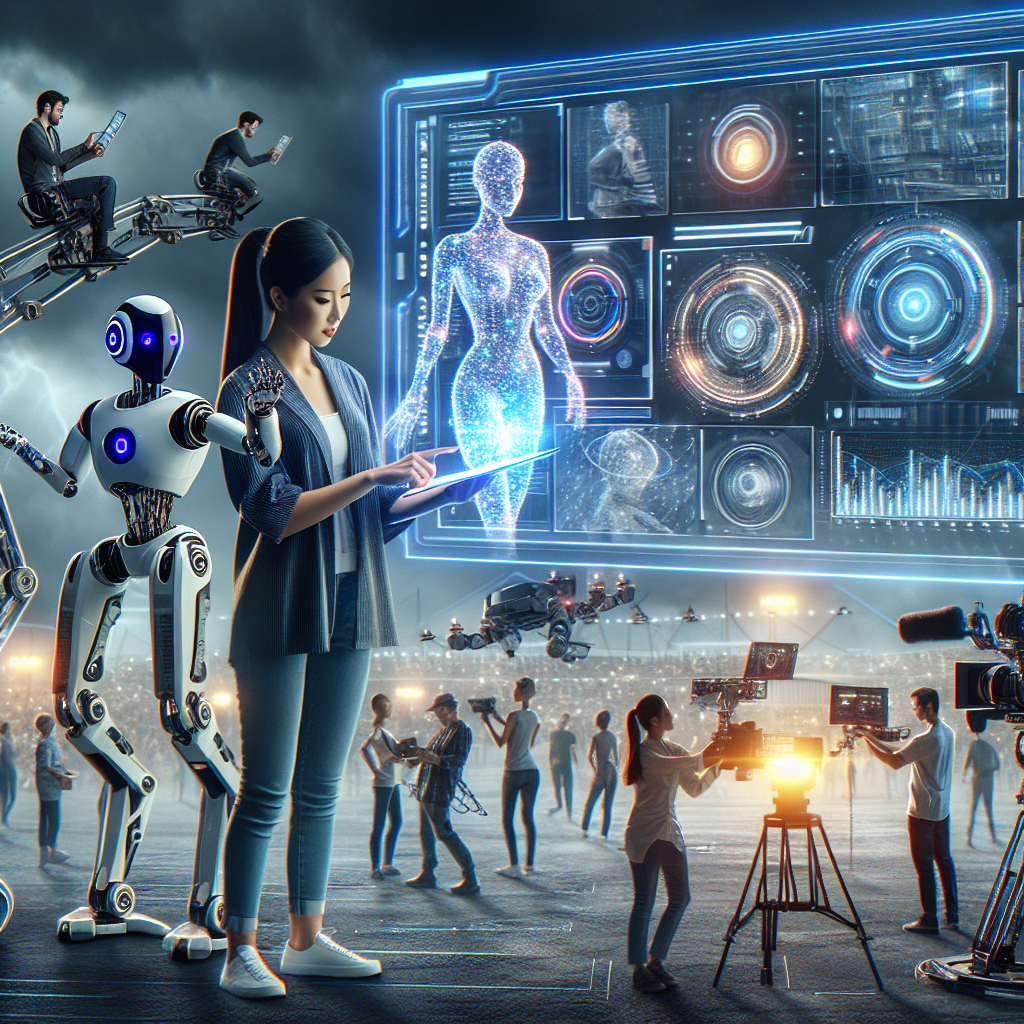
In the ever-evolving landscape of the film industry, technological advancements are shaping new paradigms, particularly with the advent of artificial intelligence (AI). As AI continues to permeate various aspects of film production, distribution, and consumption, it raises critical questions about the future of job security in this vibrant sector. This article delves into the multifaceted impacts of AI on the film industry, discussing opportunities and challenges while offering insights into navigating this transformative era.
- Impact of AI on Film Production
- Emerging Job Opportunities
- Skills for the Future
- Challenges and Ethical Considerations
- Strategies for Enhancing Job Security
Impact of AI on Film Production
The **integration of AI in film production** is revolutionizing various stages of the filmmaking process. From scriptwriting and storyboarding to editing and special effects, AI-driven tools are enhancing creativity and efficiency. Some key impacts include:
- **Automated script analysis**: AI algorithms can analyze scripts to predict their potential success by evaluating narrative structures and emotional beats.
- **Enhanced visual effects (VFX)**: AI is used in creating realistic simulations and improving CGI, thereby reducing production time and costs.
- **Intelligent video editing**: AI-assisted editing software can sort through hours of footage to identify the best takes, thus streamlining the editing process.
- **Personalized content recommendations**: AI-powered algorithms are providing personalized viewing experiences, thereby influencing production choices to cater to specific audience preferences.
Emerging Job Opportunities
While AI automates some tasks, it simultaneously opens doors to new roles and specialties within the film industry. These emerging roles are rooted in the synergy between technology and creativity, offering exciting career paths for those willing to adapt. Prominent job opportunities include:
- **AI and Machine Learning Specialists**: Professionals who develop and implement AI solutions tailored for film production and analysis.
- **Data Analysts**: Experts who interpret data generated by AI systems to inform creative decisions and marketing strategies.
- **VFX Engineers**: Individuals who leverage AI to enhance special effects in films, pushing the boundaries of what’s visually possible.
- **Digital Content Strategists**: Creatives who blend insights from AI analytics with storytelling to craft compelling narratives for diverse platforms.
Skills for the Future
The film industry’s transformation by AI necessitates new skill sets for aspiring professionals. Embracing these skills can significantly enhance employability and adaptability in an AI-driven marketplace:
- **Technical Proficiency**: Basic understanding of coding and AI applications relevant to the film industry.
- **Data Literacy**: Ability to interpret and utilize data insights to make informed creative and business decisions.
- **Creative Thinking**: Continuously developing innovative ideas that integrate AI’s capabilities with artistic vision.
- **Interdisciplinary Knowledge**: Knowledge across film, technology, and business to support cross-functional collaboration.
Challenges and Ethical Considerations
While AI presents a promising future, there are challenges and ethical considerations that must be addressed to secure the interests of professionals and audiences alike:
- **Job Displacement**: As AI automates certain roles, it’s vital to strategize re-skilling and up-skilling programs to minimize unemployment risks.
- **Creativity Vs. Automation**: Maintaining the creative essence of filmmaking while leveraging AI’s computational power is crucial to preserve artistic value.
- **Data Privacy**: Ensuring the ethical use of viewer data collected through AI systems to protect consumers and maintain trust.
- **Bias in AI**: Implementing stringent measures to prevent biases in AI training data and outputs that could impact storytelling and audience representation.
Strategies for Enhancing Job Security
Navigating the evolving landscape requires proactive strategies to cement job security in the film industry. Here are some actionable strategies:
- **Continuous Learning**: Engaging in lifelong learning through workshops, courses, and certifications focused on AI and related technologies.
- **Networking and Collaboration**: Building connections with tech innovators and filmmakers to foster idea sharing and collaboration opportunities.
- **Advocating Adaptation**: Encouraging industry stakeholders to embrace technological change while ensuring support systems for transitioning workers.
- **Policy Development**: Collaborating with policymakers to establish guidelines that balance innovation with workforce protection.
As AI continues to reshape the film industry, it becomes increasingly important for professionals to adapt and evolve with these technological advancements. By staying informed, acquiring new skills, and embracing innovation, film professionals can ensure their job security and continue to thrive in this dynamic field.