
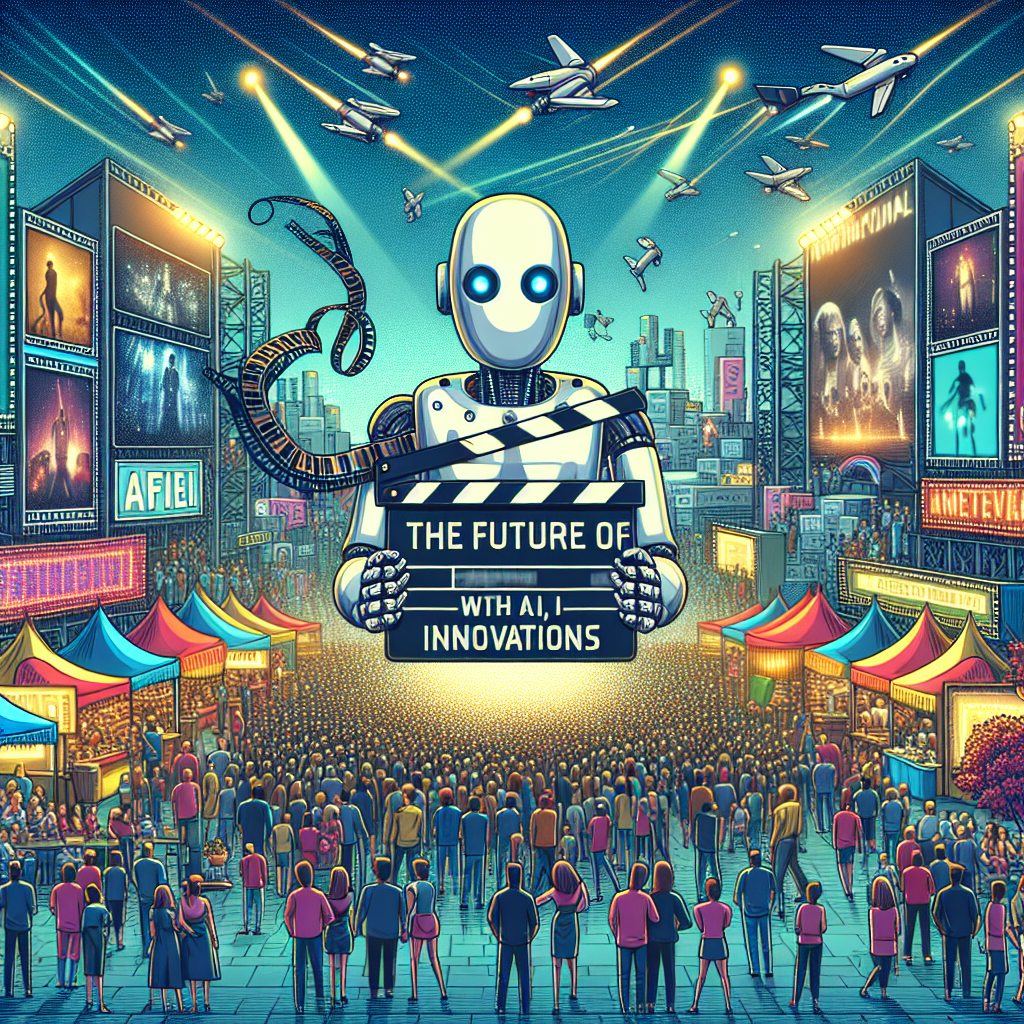
The film festival landscape has been evolving rapidly, and a significant force driving this evolution is **Artificial Intelligence (AI)**. From streamlining submissions to enhancing audience engagement, AI technologies are reshaping how film festivals operate. This article delves into the future of film festivals with AI innovations, exploring how this technology is set to optimize various aspects of the festival experience.
AI in Film Submissions
One of the most time-consuming aspects of film festivals is managing the **submission process**. With AI, this process can be streamlined efficiently:
- Automated Sorting: AI algorithms can categorize film submissions based on genres, themes, and quality.
- Plagiarism Detection: Ensures originality by cross-referencing submitted films with existing databases.
- Optimized Communication: Chatbots and AI-driven notifications can keep filmmakers updated on their submission status.
AI-Powered Curation
Film curation can be significantly enhanced with AI, making the selection process more inclusive and varied:
- Diverse Selection: AI-powered analytics can ensure a diverse representation of genres and voices.
- Customization: Tailor festival line-ups to match audience preferences based on data-driven insights.
- Predictive Analysis: Predict potential hits by analyzing viewer data and trends from previous festivals.
Boosting Audience Engagement
AI tools are revolutionizing how festivals engage with their audiences:
- Interactive Platforms: AI-driven apps can provide real-time information and interactive experiences for festival-goers.
- Enhanced Interactivity: Utilization of AR/VR technologies powered by AI for immersive experiences.
- Smart Recommendations: AI algorithms can recommend films based on viewers’ past preferences and viewing behavior.
Advanced Data Analysis
AI’s data analysis capabilities provide deep insights into festival operations:
- Audience Analytics: Collect and analyze data to understand audience demographics and preferences.
- Operational Efficiency: Streamline operations by identifying and addressing bottlenecks using AI data analysis.
- Performance Metrics: Assess the success of the festival through detailed reports on various performance metrics.
Personalized Audience Experience
AI brings a new level of personalization to the festival experience:
- Tailored Itineraries: Create personalized schedules for attendees based on their interests and preferences.
- Adaptive Content: AI can adapt promotional content and engagement strategies to suit individual tastes.
- Feedback Mechanisms: Implement real-time feedback systems to enhance the festival experience continuously.
Challenges and Ethical Considerations
While AI offers numerous benefits, it also comes with challenges:
- Bias in AI: Ensuring that AI systems are free from biases and provide fair representation.
- Data Privacy: Protecting the privacy of data collected from filmmakers and audiences.
- Transparency: Maintaining transparency in AI algorithms to build trust with stakeholders.
Future Perspectives and Opportunities
The future holds exciting possibilities for AI in film festivals:
- Global Accessibility: AI can facilitate virtual film festivals, making them accessible worldwide.
- Innovative Formats: Expect new formats of film screenings and interactive experiences driven by AI advancements.
- Collaborative AI: Leveraging AI to foster collaborations between filmmakers, audiences, and industry experts.
The integration of **Artificial Intelligence in film festivals** is not just a trend but a transformative force that promises to enrich and revolutionize the entire festival experience. As AI continues to evolve, so too will the potential for more immersive, efficient, and personalized film festivals.