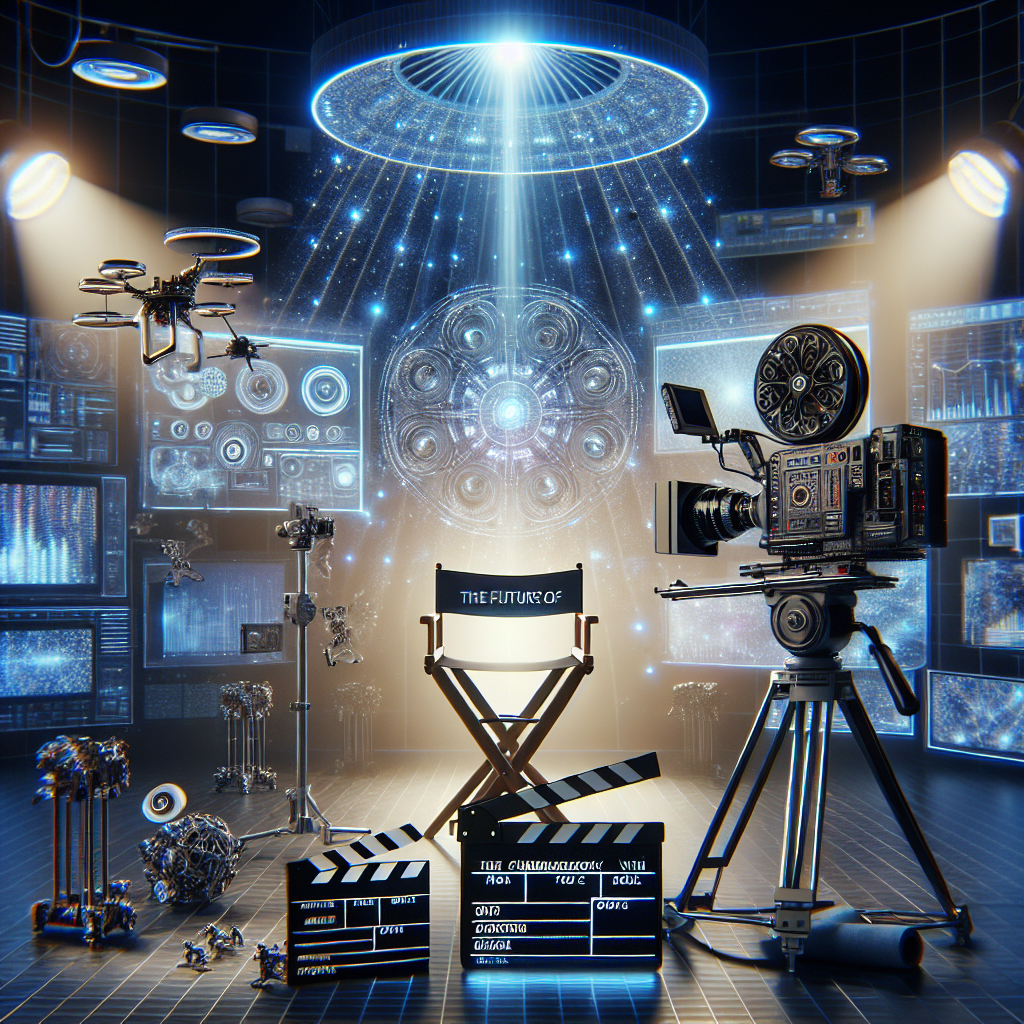
In the rapidly evolving world of cinematography, artificial intelligence (AI) is making significant strides. From pre-production to post-production, AI-driven tools are revolutionizing how films are created and experienced. This transformation promises to optimize workflows, cut costs, and elevate the artistry of filmmaking. But what does the future of cinematography with AI-driven tools look like?
Pre-Production
AI is playing a pivotal role in the pre-production phase of filmmaking. Tools powered by AI are helping filmmakers streamline their creative process. Here are some notable applications:
- Script Analysis: AI algorithms analyze scripts, providing insights on character development, plot consistency, and emotional tone. This assists screenwriters in refining their drafts.
- Location Scouting: AI-driven location scouting tools use image recognition to match desired settings with real-world locations efficiently.
- Budget Management: AI optimizes budget allocation by predicting costs based on historical data and current trends.
Production
During the production phase, AI-driven cameras and tools are making filming more intuitive and innovative. Here are some advancements:
- Camera Automation: AI-powered cameras can track subjects, adjust focus, and modify settings automatically, ensuring optimal shots.
- Lighting Design: AI systems analyze scenes and suggest optimal lighting setups to enhance visual aesthetics.
- Real-Time Editing: AI-enabled software allows directors to see real-time edits, making it easier to adjust scenes on the fly.
Post-Production
The post-production phase is where AI’s impact is profoundly felt, especially in editing, visual effects, and sound design:
- Editing: AI-driven editing tools can trim hours of footage, identify the best takes, and even suggest sequences, significantly reducing editing time.
- Visual Effects: AI algorithms generate realistic visual effects and CGI, making them more accessible to filmmakers with limited budgets.
- Sound Design: AI tools automate the sound mixing process, ensuring that audio levels are balanced and enhancing the overall auditory experience.
Future Outlook
The integration of AI in cinematography is only the beginning. In the future, we can expect even more groundbreaking innovations:
- AI in Production Planning: Advanced AI models will predict audience preferences, influencing the types of films produced.
- Enhanced Personalization: AI-driven tools will enable personalized viewing experiences, tailoring content to individual viewers’ tastes.
- Virtual Reality and AI: The combination of AI with VR will create immersive cinematic experiences that are interactive and dynamic.
In conclusion, AI-driven tools are reshaping the landscape of cinematography. From pre-production to post-production, these innovations are not only enhancing the efficiency and creativity of filmmakers but also revolutionizing the way stories are told and experienced. As we look forward, we can anticipate even more transformative changes that will continue to push the boundaries of cinematic artistry.