
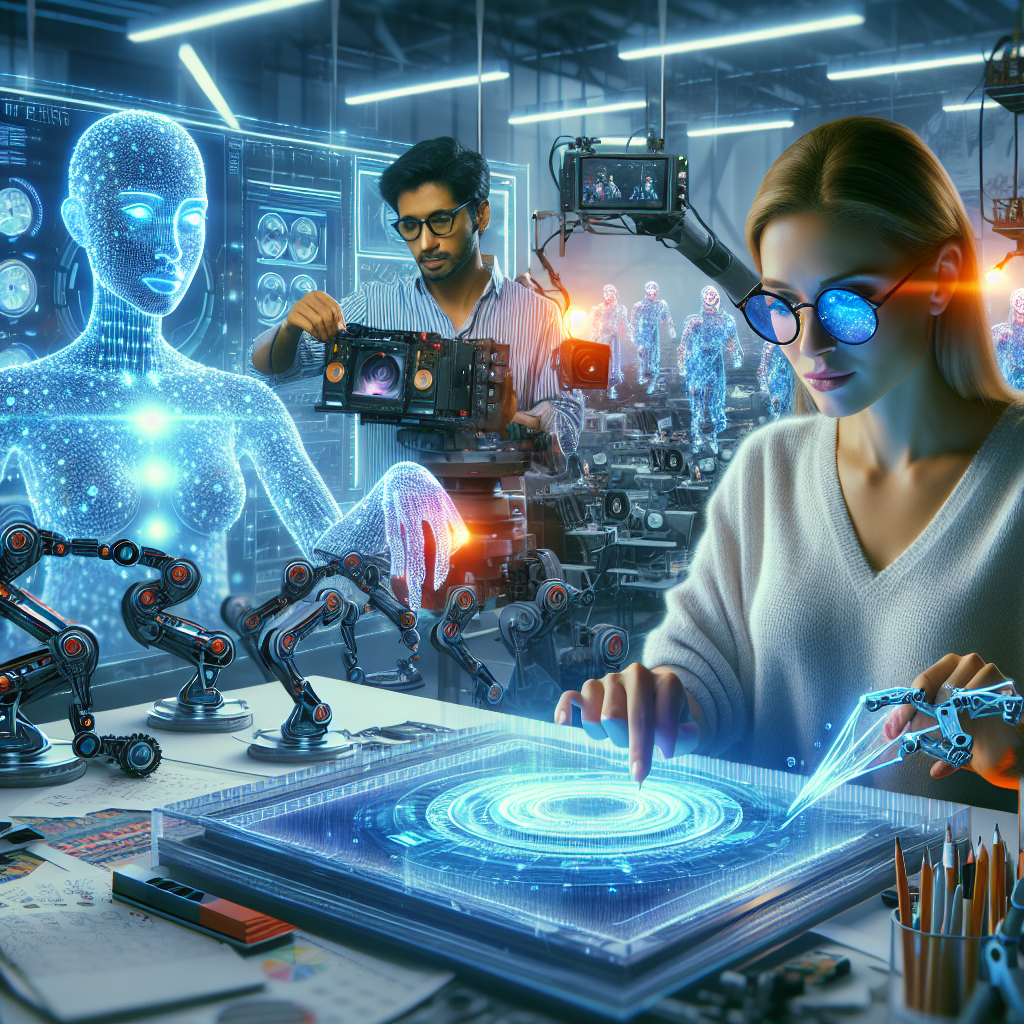
The integration of artificial intelligence (AI) in the realm of short film production signifies a transformative shift. This phenomenon combines technological advancements with creative endeavors, opening new avenues for filmmakers to explore. As AI continues to evolve, its role in film production is expected to grow, ushering in an era where machines and humans collaborate to enhance storytelling. This blog post delves into the future of AI in short film production, outlining potential applications, benefits, challenges, and the overall impact on creativity and cinema.
- AI Applications in Short Film Production
- Advantages of AI in Filmmaking
- Challenges and Concerns
- Impact on Creativity and Storytelling
- Future Prospects
AI Applications in Short Film Production
AI technologies are redefining various facets of short film production. Here’s how:
- Scriptwriting: AI-driven tools can generate or assist in writing scripts, providing a database of themes, genres, and existing plots to inspire innovative ideas.
- Pre-Production: Scheduling software powered by AI can optimize shooting sequences, manage logistics, and enhance production efficiency.
- Filming: AI-enabled cameras offer automated scene detection and intelligent framing, ensuring high-quality outputs with minimal human intervention.
- Post-Production: Algorithms in editing tools help in sorting scenes, applying special effects, and refining final cuts, reducing time and cost.
Advantages of AI in Filmmaking
Incorporating AI into filmmaking presents numerous benefits:
- Cost Reduction: Automation reduces the need for extensive human resources, cutting down expenses associated with production crews.
- Time Efficiency: AI processes large volumes of data swiftly, expediting tasks like editing, rendering, and visual effects, thereby saving precious time.
- Enhanced Creativity: With AI handling mundane tasks, filmmakers can focus on the creative aspects, such as unique storytelling and nuanced character development.
- Data-Driven Insights: AI provides analytics on audience preferences, helping creators tailor content for maximum impact.
Challenges and Concerns
Despite its potential, integrating AI into short film production poses challenges:
- Loss of Jobs: Automation threatens traditional roles within film production, raising concerns about job displacement.
- Quality Control: Over-reliance on AI might compromise creative decision-making, affecting the authenticity and originality of films.
- Ethical Concerns: Using AI-generated content raises copyright and authenticity issues, necessitating new legal frameworks.
- Bias in AI Systems: AI algorithms are only as good as the datasets they learn from, which might inadvertently perpetuate biases present in the data.
Impact on Creativity and Storytelling
AI’s influence extends beyond mere technical execution, profoundly impacting creativity:
- New Genres and Styles: AI-generated insights can inspire novel storytelling techniques and spawn unexplored genres.
- Enhanced Personalization: AI allows creators to tailor content to individual preferences, leading to a more personalized viewing experience.
- Collaboration: The synergy between human creativity and machine precision can produce films with rich narratives and unparalleled visual appeal.
Future Prospects
Looking ahead, the integration of AI in short film production offers promising prospects:
- Continued Innovation: As AI technology evolves, its applications in film production will expand, unlocking new possibilities for creative expression.
- Education and Training: Film schools will increasingly incorporate AI into their curricula, equipping future filmmakers with essential skills for a tech-driven industry.
- Global Collaboration: AI facilitates global collaboration by breaking down language barriers and harmonizing disparate production resources.
In conclusion, the future of AI in short film production heralds a new era of creativity and innovation. While challenges exist, the potential benefits significantly outweigh the drawbacks. Embracing AI can lead to more efficient, creative, and groundbreaking films that captivate audiences worldwide. As this technology continues to evolve, its role in shaping the future of cinema cannot be overstated. The film industry is poised for exciting transformations as AI becomes an integral part of the storytelling process.