
“`html
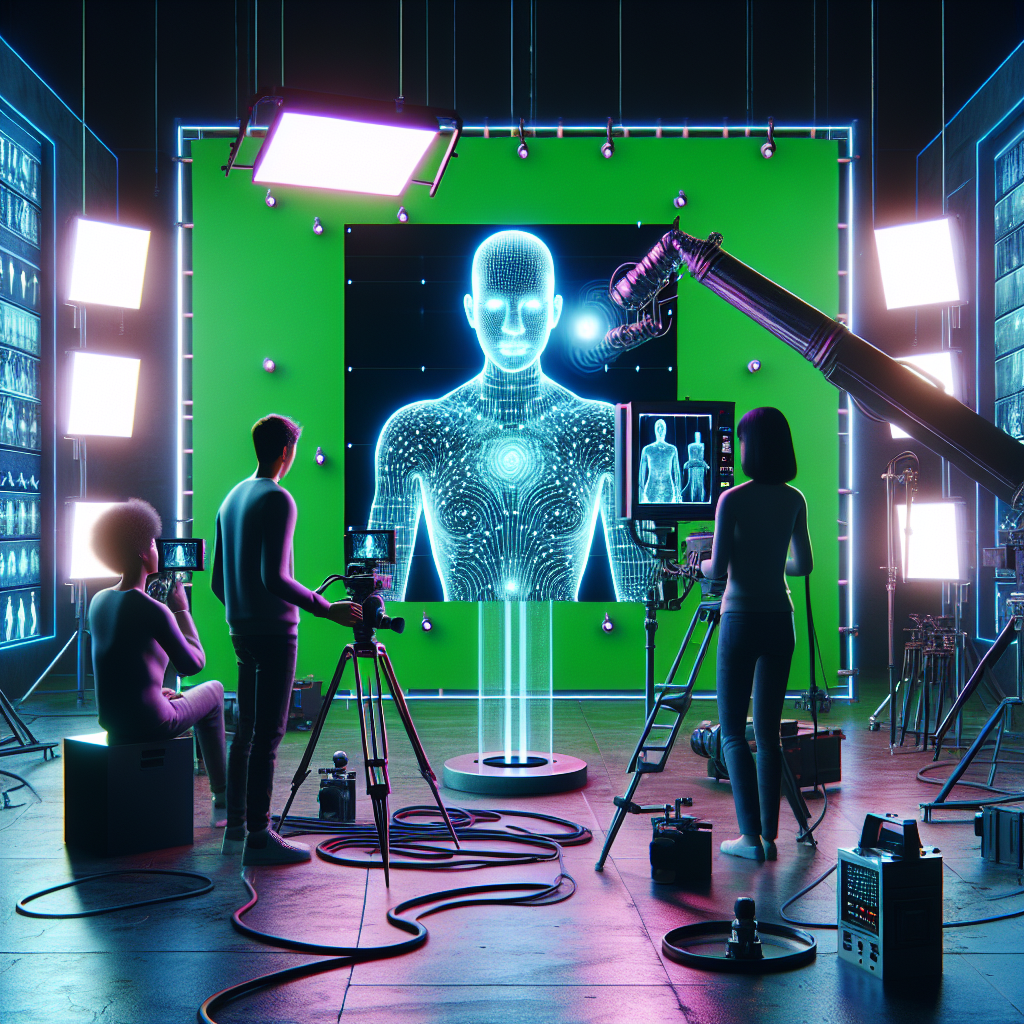
The advent of artificial intelligence is revolutionizing various industries, and filmmaking is no exception. As AI technology continues to develop, the concept of AI-generated actors is becoming increasingly feasible, prompting both excitement and debate within the film industry. This innovation can potentially transform how movies are produced, offering new possibilities and challenges for filmmakers around the world.
- The Evolution of AI in Filmmaking
- The Creation and Functionality of AI-Generated Actors
- Advantages of Using AI Actors
- Challenges and Ethical Considerations
- Future Prospects and Industry Impact
The Evolution of AI in Filmmaking
Artificial intelligence technology has been progressively integrated into filmmaking over recent years. Initially, AI was utilized for enhancing special effects and streamlining editing processes. These technologies offered filmmakers advanced tools to create more realistic and visually captivating films. **AI-driven algorithms** assist in automating repetitive tasks, and now, with the rise of deep learning and neural networks, the industry is eyeing the creation of digital actors.
In this new era of digital film production, AI-generated actors are poised to become an integral part of storytelling. These actors can be crafted to look, sound, and behave like humans, powered by extensive datasets and sophisticated algorithms that enable them to perform diverse roles.
The Creation and Functionality of AI-Generated Actors
AI-generated actors are brought to life using several layers of advanced technology. The process includes:
- **Data Collection and Modeling**: Collecting vast amounts of data on human expressions, gestures, and speech patterns to create a lifelike digital model.
- **Machine Learning Algorithms**: Employing algorithms trained to predict and simulate human responses and movements.
- **Voice Synthesis**: Using AI to mimic human speech, offering pitch, tone, and emotion to match the actor’s on-screen presence.
These components collaborate to generate fully autonomous digital actors capable of performing in films without the need for human counterparts.
Advantages of Using AI Actors
The use of AI-generated actors comes with several notable benefits:
- **Cost-Effectiveness**: Reducing production costs by eliminating expenses related to human actors such as salaries, logistics, and reshoots.
- **Flexibility**: Offering filmmakers the ability to adjust and perfect digital performances, ensuring ideal results that might not be achievable with live actors.
- **Safety**: Minimizing risk by allowing AI actors to perform dangerous stunts without putting human lives at risk.
These **advantages** could lead to more imaginative storytelling and increased creative latitude for filmmakers.
Challenges and Ethical Considerations
Despite the potential benefits, integrating AI actors into filmmaking presents certain challenges:
- **Ethical Implications**: Concerns around authenticity, creative ownership, and the replacement of human actors.
- **Legal Challenges**: Issues related to intellectual property and rights need to be meticulously addressed as this technology advances.
- **Audience Acceptance**: The skepticism regarding the emotional engagement and relatability of AI actors might affect audience reception.
Addressing these challenges is critical to ensure ethical and balanced integration of AI actors in filmmaking.
Future Prospects and Industry Impact
The future of AI-generated actors holds significant potential for transforming the film industry. As technology evolves, we might witness:
- **Increased Adoption**: More filmmakers experimenting with AI-generated actors leading to diverse cinematic experiences.
- **Evolution in Storytelling**: Enabling stories that were previously impossible due to human limitations.
- **New Creative Roles**: Shifting career dynamics within the industry, with an increase in demand for AI technicians and specialists.
In conclusion, while the concept of **AI-generated actors** presents numerous possibilities, it requires a balanced approach to leverage its advantages while addressing ethical and logistical challenges. As technology progresses, the film industry must adapt and innovate, ensuring the artistic integrity of filmmaking is upheld in the digital age.
“`