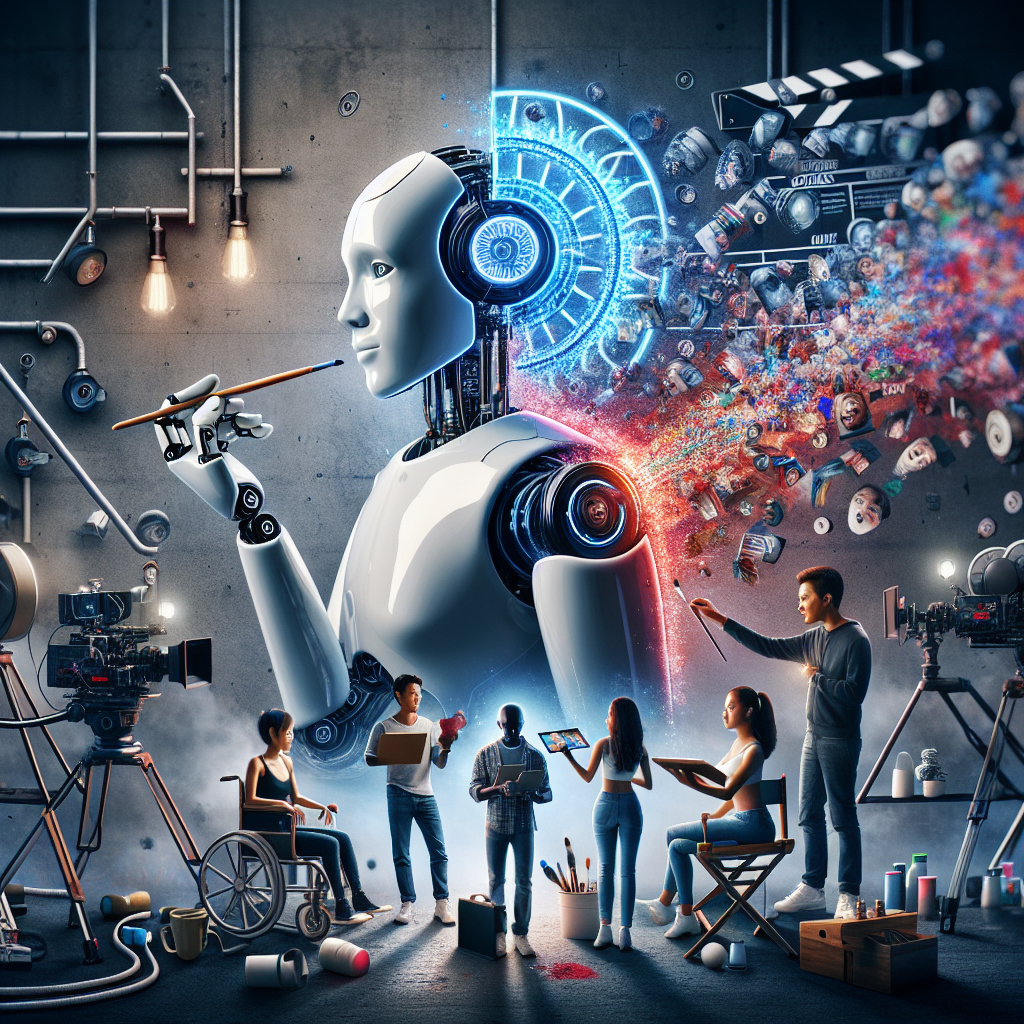
In the evolving landscape of the film industry, the integration of Artificial Intelligence (AI) has sparked a fascinating debate: How do we balance AI precision with human creativity in filmmaking? From scriptwriting to post-production, AI technologies are becoming influential, but the artistry and innovation of human creators remain irreplaceable. This article delves into the nuanced relationship between AI and human creativity, examining how they can coexist and enhance the world of film.
Article Outline
- The Impact of AI in Film
- Areas Where AI is Transforming Filmmaking
- Why Human Creativity Remains Irreplaceable
- Striking the Perfect Balance
- The Future of AI and Human Creativity in Film
The Impact of AI in Film
AI’s precision brings numerous advantages to the filmmaking process: from **automated script analysis** to **predictive audience engagement**. AI can analyze vast amounts of data to identify trends, optimize marketing strategies, and even assist in accurate budgeting. However, its application goes much deeper than mere analytics, impacting the creative process itself.
Areas Where AI is Transforming Filmmaking
Scriptwriting
- Automated Story Generation: AI algorithms can now generate story ideas and even full scripts based on data from successful films. Programs like OpenAI’s GPT-4 provide scriptwriters with inspiration and new perspectives.
- Sentiment Analysis: By evaluating emotional arcs and character development, AI helps in refining scripts to ensure they resonate with audiences.
Casting
- Data-Driven Decisions: AI uses social media trends and audience preferences to make informed casting choices, ensuring higher audience engagement.
- Performance Analysis: AI can analyze an actor’s past performances and predict their suitability for a role, saving time and resources in the audition process.
Editing and Post-Production
- Precision Editing: AI-driven tools can automate tedious editing tasks, identify the best takes, and even create rough cuts, allowing editors to focus on the artistic aspects of the final product.
- Special Effects: AI accelerates the generation of visual effects, providing artists with more time to perfect the intricate details.
Why Human Creativity Remains Irreplaceable
Despite the capabilities of AI, the **unique human touch** is pivotal:
- Emotional Nuance: Humans understand the subtleties of emotion, tone, and context which AI may not fully grasp.
- Innovative Storytelling: Creatives push boundaries and explore new narratives that AI, reliant on past data, might overlook.
The storytelling and emotional depth brought by human creators are essential to making films that truly connect with audiences.
Striking the Perfect Balance
The synergy between AI and human creativity can yield exceptional results. Here are ways to achieve balance:
- Collaborative Tools: Development of tools that allow AI and humans to work side by side can enhance productivity and creativity.
- Training and Adaptation: Filmmakers should be trained to use AI tools effectively, leveraging their strengths while maintaining creative control.
The Future of AI and Human Creativity in Film
The future holds promising prospects for the collaboration of AI and human creativity in film. As AI technology evolves, its precision will better complement the artistic vision of filmmakers, leading to **innovative storytelling mediums** and **enhanced audience experiences**. The key lies in fostering a cooperative environment where technology empowers creativity without overshadowing it.
In conclusion, the balance between AI precision and human creativity in filmmaking is not only achievable but essential for the industry’s growth. By embracing both, the film industry can continue to innovate, entertain, and inspire audiences worldwide.