
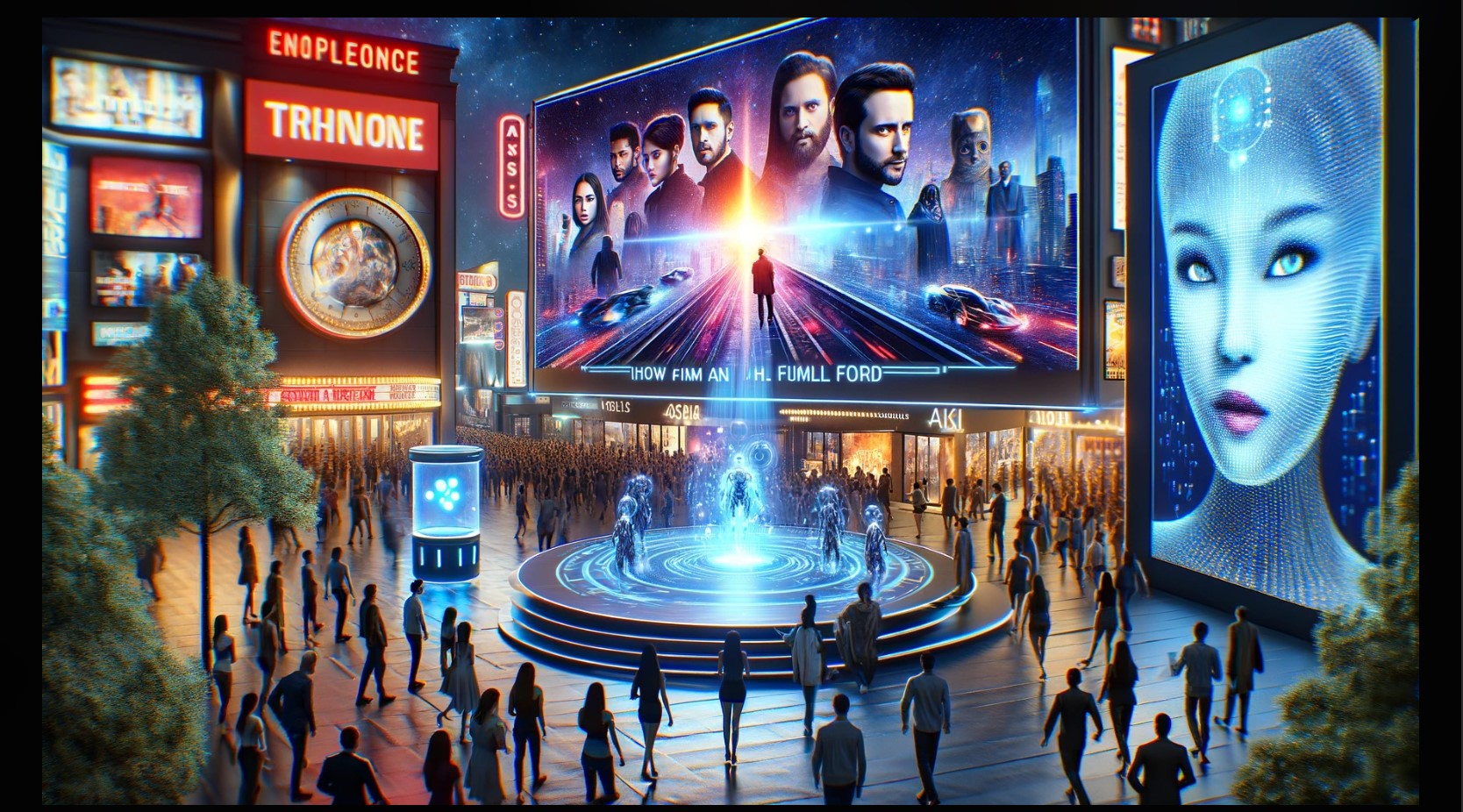
AI-powered visual effects (VFX) have revolutionized the film industry, offering filmmakers a wide array of tools and techniques to enhance storytelling and create visually stunning experiences for audiences. Here’s how AI can help enhance movies:
Realism: AI algorithms can simulate natural phenomena such as water, fire, smoke, and weather conditions with remarkable realism. This realism adds depth and immersion to the visual storytelling, making the audience feel more connected to the narrative.
Efficiency: Traditional VFX often require extensive manual labor and time-consuming processes. AI can automate many of these tasks, speeding up production timelines and reducing costs without compromising quality. For example, AI algorithms can assist with rotoscoping, motion tracking, and object removal, allowing artists to focus on more creative aspects of the project.
Creativity: AI can generate new ideas and inspire creativity in filmmakers. Generative AI models can create concept art, character designs, and even entire scenes based on input from the director or predefined parameters. This can streamline the pre-production phase and provide filmmakers with a wealth of visual options to explore.
Enhanced storytelling: AI can analyze audience preferences and trends to help filmmakers tailor their visual effects to maximize impact. For example, sentiment analysis algorithms can gauge audience reactions to specific scenes or characters, allowing filmmakers to adjust the visual effects accordingly to evoke the desired emotional response.
Customization: AI enables filmmakers to create highly personalized viewing experiences for individual audience members. For example, AI algorithms can dynamically adjust the visual effects based on the viewer’s preferences, creating a more immersive and engaging experience.
Accessibility: AI-powered tools make advanced VFX techniques more accessible to filmmakers of all levels of expertise. This democratization of technology allows independent filmmakers and smaller studios to compete with industry giants, fostering innovation and diversity in storytelling.
Visual innovation: AI enables filmmakers to push the boundaries of visual storytelling by experimenting with new techniques and styles. For example, deep learning algorithms can generate photorealistic images or manipulate footage in ways that were previously impossible, opening up new creative possibilities for filmmakers.
Overall, AI-powered visual effects offer filmmakers a powerful set of tools to enhance storytelling, streamline production processes, and create unforgettable cinematic experiences for audiences around the world.