
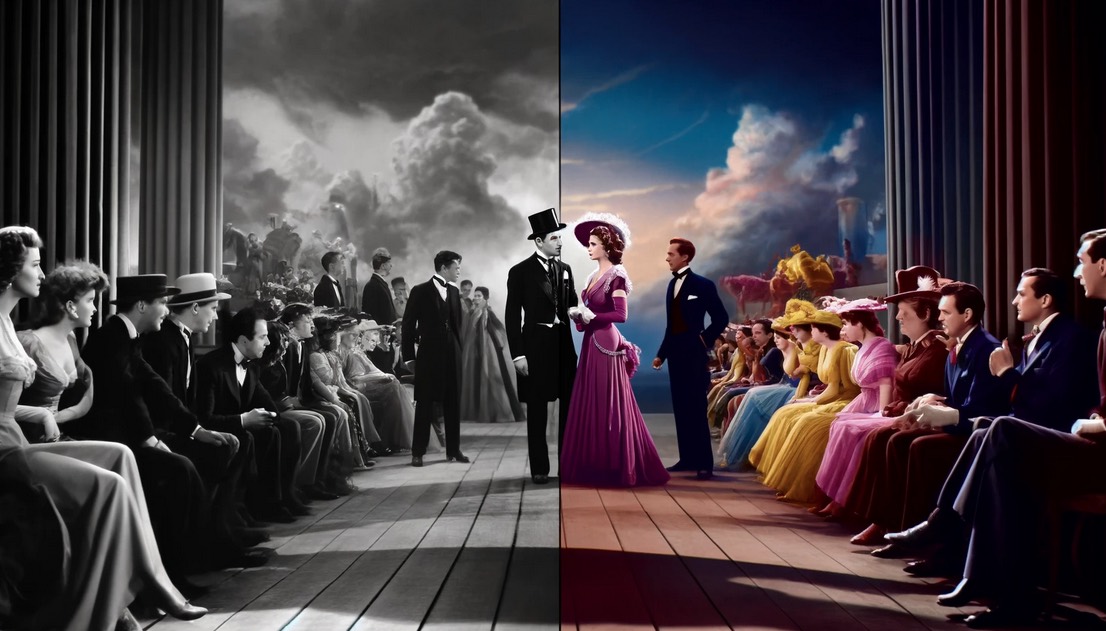
AI can digitally restore movies through a process known as digital restoration, which involves using various machine learning and image processing techniques to improve the quality of deteriorated or damaged film footage. Here’s a general overview of how AI can be applied in this context:
Initial Scanning: The first step in restoring a movie digitally is to scan the original film footage at a high resolution. This digital scan serves as the basis for the restoration process.
Image Analysis: Once the film is scanned, AI algorithms analyze the digital images to identify imperfections such as scratches, dust, noise, color fading, and other forms of degradation. These imperfections are often the result of aging, physical damage, or poor storage conditions.
Image Restoration Algorithms: Various AI algorithms are applied to address the identified imperfections and enhance the overall quality of the images. These algorithms may include:
Dust and Scratch Removal: AI algorithms can automatically detect and remove dust particles, scratches, and other surface defects from the images.
Noise Reduction: AI can reduce the level of noise in the images, resulting in smoother and cleaner visuals.
Color Correction: Over time, the colors in film footage may fade or change. AI algorithms can analyze the colors in the images and adjust them to restore their original vibrancy and accuracy.
Resolution Enhancement: AI techniques such as super-resolution can be used to increase the resolution of the images, resulting in sharper and more detailed visuals.
Frame Interpolation: In cases where frames are missing or damaged, AI can interpolate new frames based on the surrounding frames to fill in the gaps and create smoother motion.
Manual Intervention: While AI algorithms can automate much of the restoration process, manual intervention by skilled technicians is often required, especially for more complex tasks such as scene-by-scene color grading or repairing heavily damaged footage.
Quality Assessment: Once the restoration process is complete, the restored footage undergoes rigorous quality assessment to ensure that the restored version meets the desired standards of quality and fidelity.
Final Output: The digitally restored movie is then rendered into its final format for distribution, whether it be for theatrical release, streaming platforms, or archival purposes.
Overall, AI plays a crucial role in digitally restoring movies by automating and accelerating the restoration process while also enhancing the quality and fidelity of the final output. However, it’s important to note that AI is just one tool in the hands of skilled restoration technicians, who bring their expertise and artistic judgment to the process to ensure that the restored movie retains its original look and feel.