“`html
body {
font-family: Arial, sans-serif;
line-height: 1.6;
margin: 20px;
}
h2 {
color: #2C3E50;
}
ul, ol {
margin-left: 20px;
}
a {
color: #3498DB;
text-decoration: none;
}
a:hover {
text-decoration: underline;
}
.bold {
font-weight: bold;
}
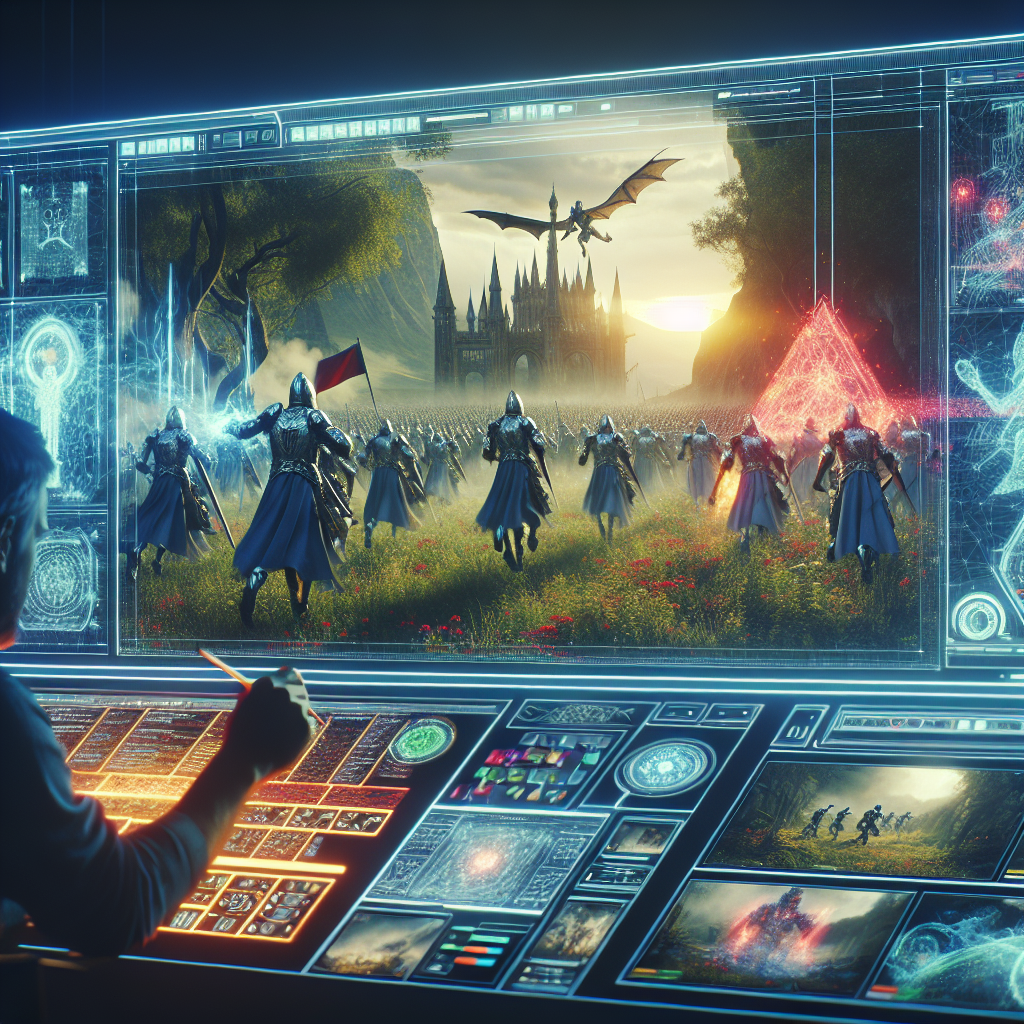
The world of visual effects (VFX) in filmmaking is experiencing a significant transformation, driven by the rapid advancements in artificial intelligence (AI). The integration of AI tools is drastically influencing how VFX artists approach their craft, offering both unprecedented opportunities and unique challenges. This article explores the profound impact of AI on VFX artistry, highlighting key areas where these tools are reshaping workflows and creative possibilities.
Article Outline
- Introduction to AI Integration in Film
- Workflow Enhancements
- Creative Opportunities
- Challenges and Considerations
- The Future of VFX with AI
Introduction to AI Integration in Film
The incorporation of AI in film technology is not just a trend but a revolutionary shift. With AI tools becoming increasingly sophisticated, their application in VFX allows for tasks that were once labor-intensive to be executed with ease and precision. **AI’s role in film** now extends beyond just a supportive tool—it acts as a catalyst for new artistic visions and storytelling techniques.
Workflow Enhancements
AI tools vastly improve the efficiency and speed of VFX workflows. Here’s how:
- **Automation of Repetitive Tasks**: AI algorithms can handle time-consuming tasks such as rotoscoping and motion tracking, allowing artists to focus on more creative aspects.
- **Enhanced Rendering**: AI’s capabilities in predictive algorithms and improved data processing result in faster rendering times, which is crucial for meeting tight production schedules.
- **Error Reduction**: By analyzing vast amounts of data, AI can predict and correct potential errors in VFX sequences, ensuring higher quality outcomes.
Creative Opportunities
With automation handling routine processes, VFX artists have more freedom to innovate. Some creative doors opened by AI include:
- **Dynamic Simulations**: AI can generate complex simulations, such as realistic water, smoke, and fire, with greater accuracy and less manual input.
- **Generative Design**: AI tools can suggest creative options by creating concept images or animations from input parameters, thus fostering innovation.
- **Enhanced Realism with AI-Assisted Modelling**: Deep learning techniques allow for highly realistic models and textures, enhancing the believability of visual effects.
Challenges and Considerations
While AI offers numerous benefits, it also presents certain challenges that artists and studios need to address:
- **Loss of Traditional Skills**: As AI automates more aspects of the job, there’s a risk of traditional VFX skills being underutilized or lost.
- **Dependency on Technology**: Over-reliance on AI tools could stifle creativity and lead to homogeneous outputs.
- **Privacy and Data Security**: With AI tools requiring vast datasets, issues around data usage and security become critical.
The Future of VFX with AI
The future looks promising for VFX artists who embrace AI, as the technology continues to evolve. **Interdisciplinary collaboration** between AI developers and VFX artists is expected to push the boundaries of what is possible in digital storytelling. As AI capabilities expand, so too will the potential for creating groundbreaking visual experiences. However, maintaining a balance between technological reliance and artistic intuition will be key to preserving the essence of storytelling in film.
In conclusion, the integration of AI tools in VFX heralds a new era for the film industry, one that promises both **innovation** and **efficiency**. For VFX artists, this means adapting to new technologies while leveraging AI to enhance their creative and technical prowess.
“`