
“`html
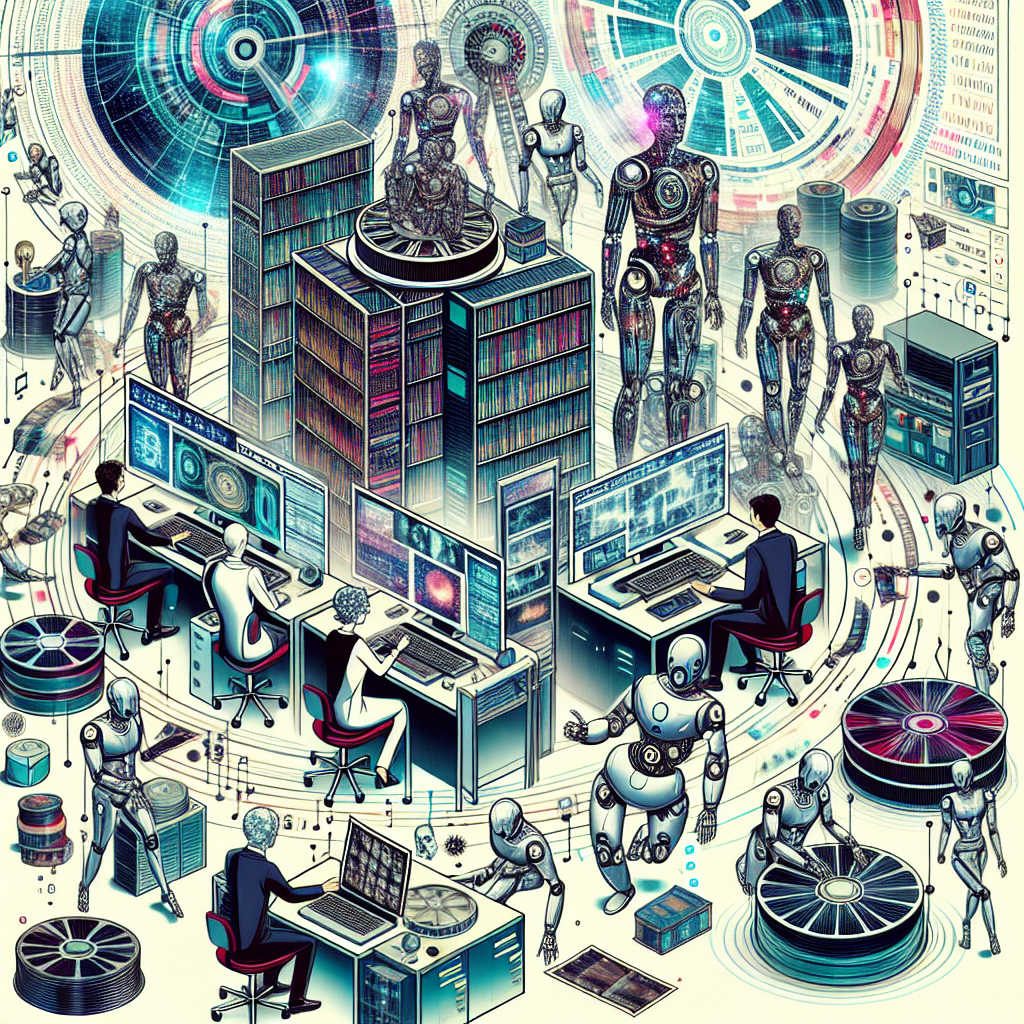
In recent years, artificial intelligence (AI) has emerged as a transformative force across various industries. One domain witnessing substantial changes is the field of film archiving and preservation. Film archivists, traditionally tasked with the meticulous job of conserving and restoring films, now find themselves navigating a landscape reshaped by AI tools. This article explores how AI is affecting these professionals and the preservation jobs they hold dear.
Article Outline
- Impact of AI on Film Preservation
- AI Tools in Film Archiving
- Challenges and Opportunities
- The Future of Film Preservation with AI
- Conclusion
Impact of AI on Film Preservation
AI tools have introduced innovative solutions to film preservation, pushing the boundaries of what’s possible in restoring and maintaining cinematic heritage. Here are some key impacts:
- Enhanced Restoration Efficiency: AI algorithms can analyze film frames more swiftly and accurately than manual methods, leading to faster restoration processes.
- Improved Image Quality: Techniques like machine learning and deep learning can significantly enhance the resolution and quality of aged film footage.
- Automated Frame Analysis: AI can automatically detect and correct imperfections in film, drastically reducing the workload on archivists.
AI Tools in Film Archiving
Several AI tools have emerged, offering diverse functionalities for film archivists:
- Deep Learning Algorithms: Used for cleaning and enhancing old footage, these algorithms can effectively remove noise while retaining critical image details.
- Pattern Recognition: AI can recognize patterns in film deterioration, allowing archivists to focus their efforts on the most threatened materials.
- Metadata Tagging: AI-driven tools can automate the process of tagging and categorizing film content, which helps in indexing and retrieval.
Challenges and Opportunities
While AI brings numerous benefits to film preservation, it also introduces challenges:
- Data Management: The integration of AI tools creates a demand for effective data management practices to handle the increased volume of digital data.
- Skill Gaps: Archivists may need additional training to effectively use AI tools, highlighting the need for ongoing professional development.
- Job Redefinition: The role of film archivists may evolve from manual restoration to managing and overseeing AI-assisted processes.
Opportunities also abound as AI enables:
- New Job Roles: AI could lead to the creation of specialized positions focused on AI management and maintenance within the film industry.
- Global Collaboration: AI tools facilitate international collaborations in film restoration, enhancing cultural preservation efforts worldwide.
The Future of Film Preservation with AI
The future of film preservation looks promising as AI continues to evolve. By leveraging machine learning and big data, the industry can anticipate further advancements, such as:
- Predictive Analytics: AI could predict potential degradation issues, allowing archivists to intervene proactively.
- Fully Automated Restoration: The goal is to develop AI systems capable of executing comprehensive film restoration with minimal human intervention.
Conclusion
The intersection of AI and film preservation is a rapidly evolving frontier, offering both challenges and exciting opportunities for film archivists. As AI tools continue to improve and integrate into the preservation process, they promise to revolutionize how cinematic history is maintained and accessed for future generations. By embracing these technological advancements, film preservation professionals can better safeguard the legacy of the past while ensuring its relevance in the digital age.
“`