“`html
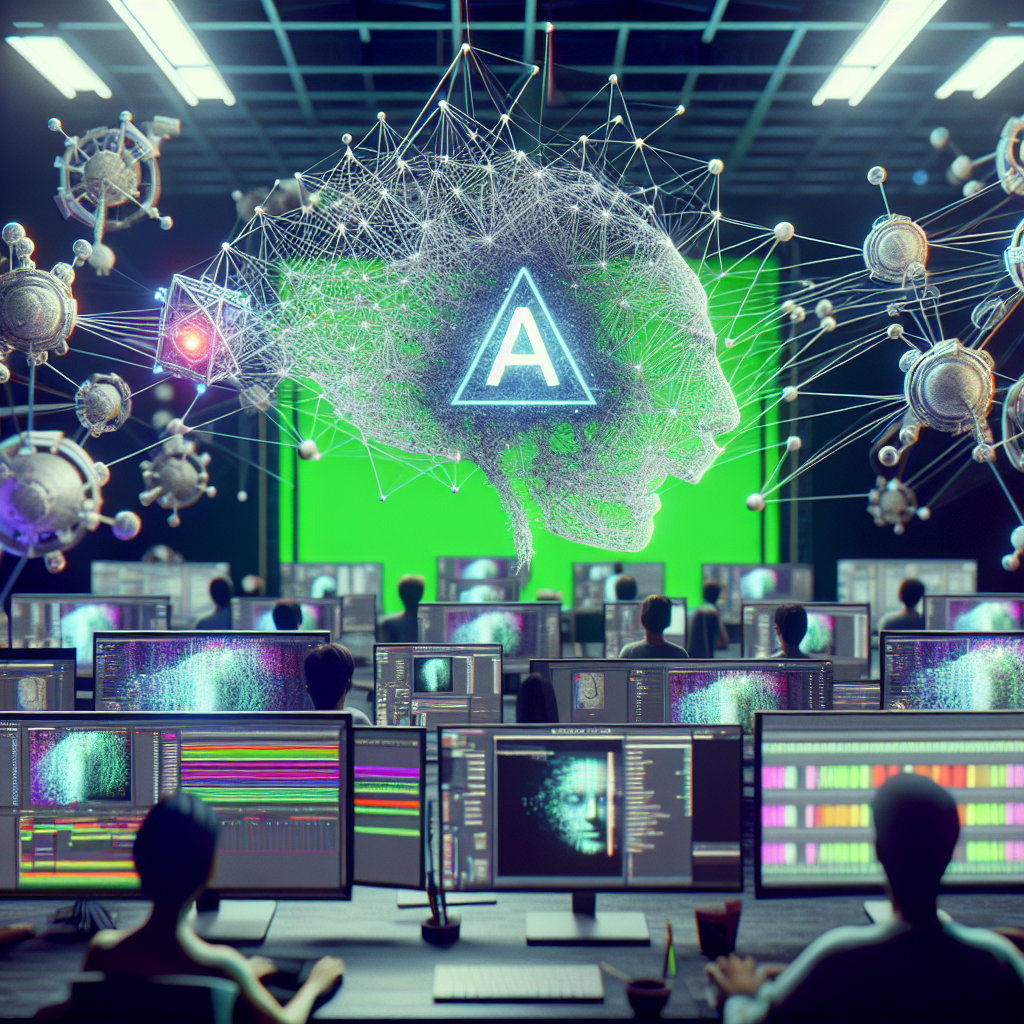
In the modern film industry, the use of artificial intelligence (AI) has become an essential tool in simplifying complex visual effects (VFX) tasks. As movies strive for increasingly realistic imagery and intricate designs, AI has stepped in to facilitate, automate, and enhance various VFX processes. This article delves into how AI is revolutionizing the film industry by automating complex VFX tasks.
Below, you’ll find an outline of this article, which provides a comprehensive look at AI’s role in VFX automation. Use the links to jump directly to sections of interest:
- Understanding VFX and its Complexities
- The Role of AI in Automating VFX Tasks
- Applications of AI in VFX Automation
- Benefits of AI in VFX
- Challenges and Considerations
- The Future of AI in VFX
Understanding VFX and its Complexities
Visual effects are a crucial component of many blockbuster films, enabling filmmakers to create stunning visuals that are otherwise impossible or impractical to capture on camera. Traditional VFX tasks are often incredibly complex and labor-intensive, involving everything from detailed modeling and animation to texture creation and lighting simulations. These tasks require skilled artists and significant amounts of time and resources to complete effectively.
The Role of AI in Automating VFX Tasks
AI has rapidly emerged as a transformative force in automating repetitive and time-consuming VFX tasks. Using machine learning algorithms, AI can learn from vast amounts of data to simulate real-world physics, lighting, and textures. This significantly reduces the manual effort involved in creating complex scenes.
By automating these processes, AI allows artists to focus on the more creative aspects of VFX, enhancing both efficiency and creativity in film production.
Applications of AI in VFX Automation
- Facial Recognition and Animation: AI can analyze facial expressions and replicate them in animated characters, streamlining the process of facial animation.
- Object Tracking: Machine learning enables accurate tracking of objects and characters within a scene, automating the otherwise cumbersome task of frame-by-frame adjustments.
- Scene Composition: AI can intelligently compose scenes by understanding and predicting lighting, camera angles, and other cinematic elements.
- Synthesizing Natural Movements: AI algorithms can generate realistic movements for characters and crowds, reducing the need for meticulous keyframe animation.
Benefits of AI in VFX
- Efficiency: Automating repetitive tasks accelerates the VFX workflow, allowing for quicker project turnaround times.
- Cost Reduction: With AI handling routine tasks, studios can significantly cut down on labor costs and reallocate resources strategically.
- Enhanced Creativity: Artists have more time to focus on creative input and innovation, pushing the boundaries of what is possible in film.
- Consistency: AI ensures high-quality and consistent results across different scenes and projects.
Challenges and Considerations
While AI offers many benefits, its integration into the film industry does come with challenges:
- Quality Control: Ensuring AI-generated assets meet artistic standards requires new quality control measures.
- Data Dependency: AI systems rely heavily on data; poor quality or biased data can lead to unsatisfactory results.
- Training and Expertise: Teams need to be well-versed in both AI technologies and traditional filmmaking techniques.
The Future of AI in VFX
The potential of AI in the film and VFX industry is vast. As technologies evolve, AI is expected to play an increasingly central role in film production. Future advancements may include:
- More sophisticated algorithms that allow for fully automated scene creation.
- Increased use of AI in virtual reality and augmented reality applications.
- Personalized viewing experiences powered by AI, where films adapt to viewer preferences in real-time.
In conclusion, the integration of AI into film production is not just enhancing efficiency but is also reshaping creative possibilities in VFX. As this technology continues to evolve, it promises to bring new dimensions to the art of filmmaking, opening up endless creative opportunities.
“`