
“`html
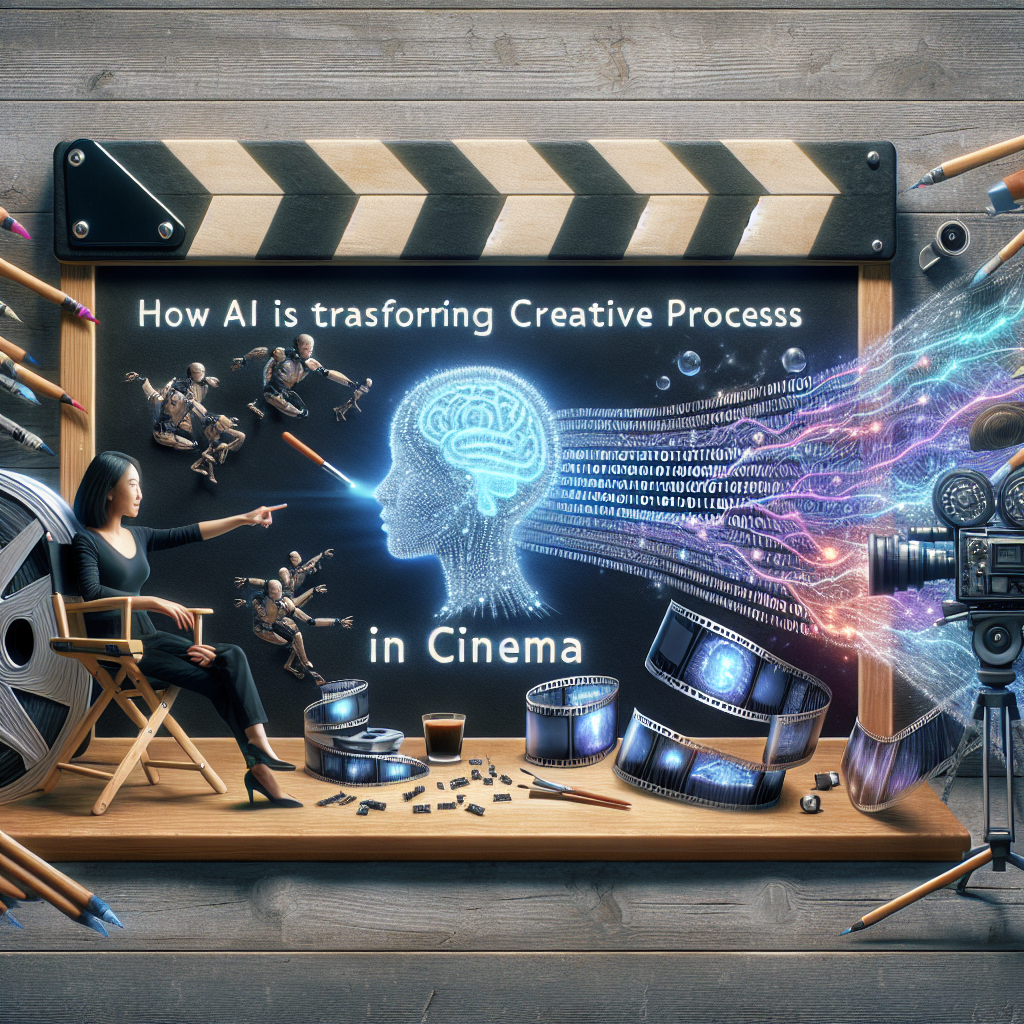
Artificial intelligence is revolutionizing industries, and the world of cinema is no exception. From pre-production to post-production, AI is reshaping how movies are conceptualized, created, and consumed. With AI-driven tools at their disposal, filmmakers can unleash new levels of creativity and efficiency, ensuring a more immersive experience for audiences. In this article, we delve into the transformative role AI plays in the creative process of cinema and explore the potential future it heralds for the film industry.
- Introduction
- AI in Scriptwriting
- Casting and AI
- AI in Visual Effects
- Post-Production Enhancements
- Audience Personalization
- Ethical Considerations
- The Future of AI in Cinema
AI in Scriptwriting
The process of scriptwriting has traditionally been a manual and time-consuming task. However, AI has introduced tools that can assist in creating storylines, dialogues, and characters. **Natural language processing** (NLP) algorithms can analyze countless scripts to identify successful patterns and suggest new plot developments.
- AI algorithms can generate story ideas by analyzing box office hits and audience preferences.
- AI writing assistants help flesh out characters and dialogues by analyzing tone and context.
- Automated script correction tools check for consistency and improve script quality.
Casting and AI
AI technologies are also making waves in the casting process. With the ability to analyze numerous data points, AI can identify the best actors for specific roles based on **performance metrics** and audience reception data.
- AI tools evaluate actors’ social media presence and fan engagement to predict potential box office success.
- Facial recognition software helps identify actors who fit particular character profiles.
- AI-driven analytics can simulate various casting decisions to reveal which choices might resonate best with audiences.
AI in Visual Effects
In the realm of visual effects (VFX), AI is proving to be nothing short of revolutionary. AI enhances effects by **automating complex processes** and delivering unprecedented levels of detail and realism.
- Machine learning models quickly blend CGI with live-action footage, decreasing production times.
- AI tools automate rotoscoping, saving hours on what used to be labor-intensive tasks.
- AI-driven effects enhance CGI landscapes by simulating weather patterns and natural lighting.
Post-Production Enhancements
AI is transforming post-production with its ability to **refine audio and video** seamlessly. AI-driven software can edit clips, balance sound, and optimize color grading with minimal human intervention.
- Automated video editing tools help compile hours of footage into cohesive scenes.
- AI systems improve color correction, ensuring visual consistency across scenes.
- Audio-enhancing algorithms easily remove background noise, enhancing speech clarity.
Audience Personalization
Filmmakers are using AI to personalize movie experiences, tailoring content to audience preferences and **augmenting viewer engagement**.
- Recommendation engines suggest films based on viewer history and preferences.
- Interactive storytelling, powered by AI, allows audiences to influence movie outcomes.
- AI-driven analytics provide insights into viewer behavior to adapt marketing strategies.
Ethical Considerations
As AI becomes more prevalent in cinema, ethical questions concerning data privacy, content ownership, and artistic integrity emerge. The film industry must navigate these complex issues to ensure AI’s responsible use.
- Ensuring AI-generated content respects creative rights and intellectual property.
- Maintaining transparency in how data is used for AI-driven decisions.
- Dealing with deepfake technologies that mimic actors’ likeness without consent.
The Future of AI in Cinema
With AI continually advancing, the future of cinema promises even more innovation. We can expect AI to create not only effects but entire films, from script to post-production, reshaping the boundaries of imagination and storytelling.
To prepare for these advancements, filmmakers and industry leaders must educate themselves about these tools, engage in debates on ethical practices, and foster a harmonious relationship between technology and artistry.
In conclusion, AI is transforming cinema’s creative process in unprecedented ways, making it an exciting time for both creators and audiences. As AI continues to develop, its impact on the industry will only grow, offering limitless possibilities for storytelling and audience engagement.
“`