“`html
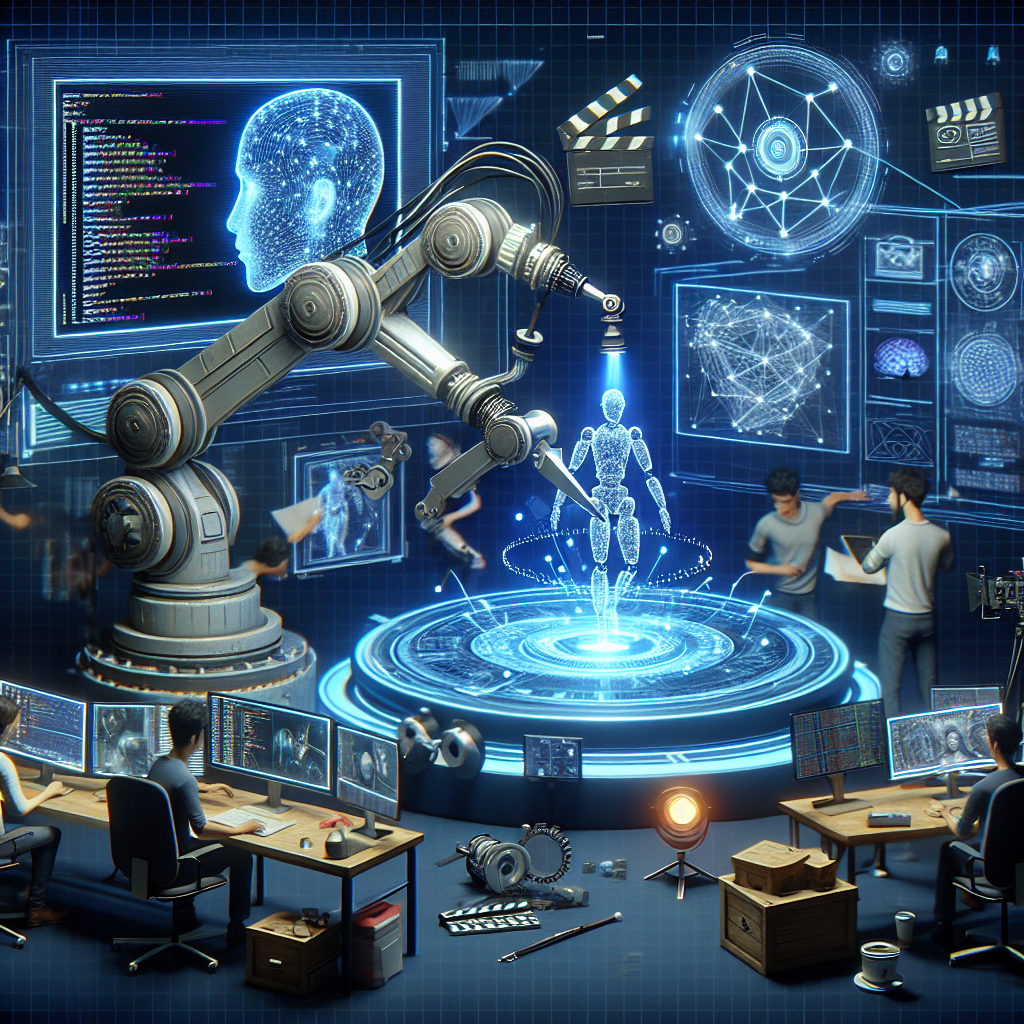
In the dynamic world of filmmaking, the integration of Artificial Intelligence (AI) is marking a revolutionary shift, particularly in the realm of character creation. By harnessing the power of AI, filmmakers and animators are now able to craft characters that are not only more lifelike but also more complex in their psychological depth and cultural nuance. This transformation is not only enhancing the storytelling aspect but also reshaping how characters are conceptualized, designed, and brought to life on screen.
The Importance of AI in Character Creation
**Artificial Intelligence** is becoming increasingly important in animation and live-action films, offering groundbreaking ways to create characters that resonate with audiences. Through AI, filmmakers can:
- **Enhance Realism**: Algorithms can simulate human-like movements, facial expressions, and emotional reactions.
- **Improve Diversity**: AI helps create characters that reflect a wide range of cultures and experiences.
- **Increase Efficiency**: AI can automate repetitive tasks, allowing creators to focus on innovative aspects of filmmaking.
AI Tools Revolutionizing Character Creation
The film industry continually adopts AI tools that push the boundaries of character creation. Noteworthy tools include:
- **Deep Learning Models**: These models analyze vast datasets to produce realistic facial animations and voice modulations.
- **Generative Adversarial Networks (GANs)**: GANs can generate entirely new character features and traits, often indistinguishable from human-designed ones.
- **Natural Language Processing (NLP)**: NLP aids in creating characters with realistic dialogue and varied linguistic styles.
Enhancing the Creative Process with AI
AI is not just about automation; it collaborates with human creativity to enhance the character creation process:
- **Design Assistance**: Artists use AI to brainstorm ideas, leading to innovative character designs.
- **Performance Capture**: AI enhances motion capture technology, ensuring that characters move with authenticity.
- **Script Analysis**: AI tools analyze scripts to suggest potential character developments and interactions, enriching the narrative depth.
Challenges and Ethical Considerations
While AI presents numerous opportunities, it also comes with challenges that need addressing:
- **Ethical Representation**: Ensuring AI-generated characters do not perpetuate stereotypes or cultural inaccuracies.
- **Intellectual Property**: Determining who owns the rights to AI-generated content remains a contentious issue.
- **Job Displacement**: Balancing AI integration with traditional roles is crucial to maintaining employment opportunities in the industry.
Future Outlook on AI in Film
The role of AI in character creation is expected to grow, promising exciting directions for the film industry:
- **Increased Personalization**: Films may tailor characters to audience preferences, enhancing viewer engagement.
- **Adaptive Storylines**: AI could enable dynamic plots that evolve based on audience feedback and interaction.
- **New Genres**: Emerging from AI’s capabilities could be entirely new film genres, expanding the creative horizons of filmmakers.
In conclusion, the integration of AI into character creation is not merely a trend but a transformative progression in filmmaking. By combining the technological prowess of AI with human creativity, the film industry can explore unprecedented realms of storytelling and character development. As this relationship continues to evolve, filmmakers and audiences alike stand on the brink of a fascinating future filled with potential and discovery.
“`