
“`html
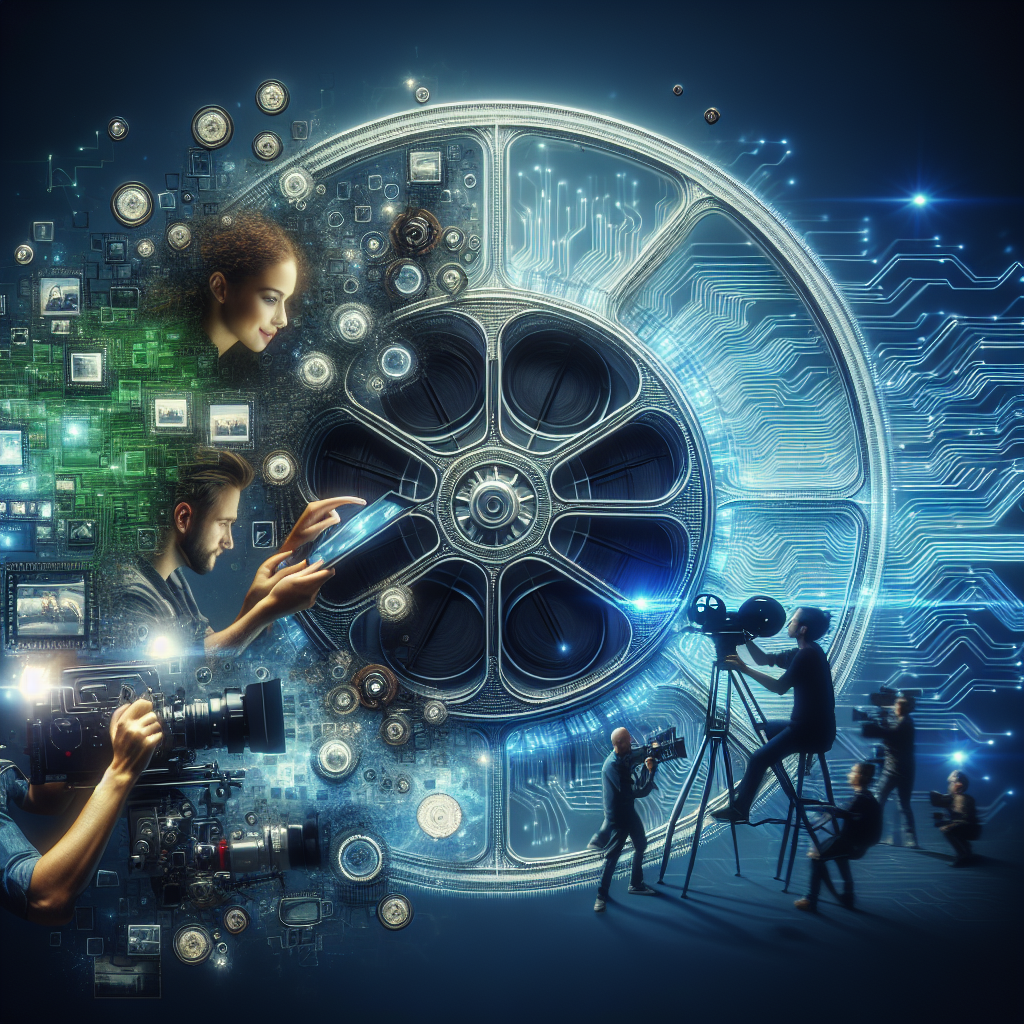
As technological innovations continue to transform industries, filmmaking is no exception. The integration of **Artificial Intelligence (AI)** into the cinematic process is reshaping how movies are conceived, created, and consumed. From script analysis to post-production, AI is paving the way for the next generation of storytelling by enhancing efficiency, creativity, and audience engagement.
Article Outline
- Introduction
- AI in Concept Development
- AI in Production
- AI in Post-Production
- AI in Distribution and Marketing
- Challenges and Ethical Concerns
- The Future of AI in Filmmaking
Introduction
In the rapidly evolving realm of filmmaking, **AI technology** stands as a transformative force. Just as AI has revolutionized areas like healthcare and finance, its impact on cinema is both profound and far-reaching. By leveraging AI, filmmakers can streamline creative processes, reduce costs, and open up new possibilities for visual storytelling. As this synergy between AI and film technology continues to grow, it is crucial to understand the various facets of how AI is reshaping the industry.
AI in Concept Development
The journey of a film begins long before the cameras start rolling. AI’s entry into the **concept development** phase is a testament to its capability to enhance creativity:
- Scriptwriting Assistance: AI tools can analyze existing scripts and provide suggestions for plot development, character arcs, and dialogue improvements.
- Trend Analysis: By processing massive datasets, AI can predict movie trends, providing filmmakers with insights into audience preferences and potential box office hits.
- Creative Collaboration: AI-powered platforms enable writers and directors to collaborate seamlessly, merging AI-generated ideas with human creativity.
AI in Production
During the production stage, AI has considerably impacted traditional filmmaking practices, making them more efficient:
- Automated Cinematography: AI-driven cameras can adjust settings in real-time, ensuring optimal lighting and focus without human intervention.
- Visual Effects (VFX): AI enhances VFX by rendering complex scenes with greater speed and precision, reducing the time spent on post-production editing.
- Virtual Actors: AI can create lifelike digital characters, allowing filmmakers to experiment with casting and performance without meeting physical constraints.
AI in Post-Production
AI’s role extends into the post-production phase, where it continues to offer innovative solutions:
- Editing Software: AI-powered editing tools can automatically sift through hours of footage, identifying the best takes and assembling rough cuts based on predefined criteria.
- Sound Engineering: AI algorithms can enhance audio tracks, remove background noise, and even generate sound effects that perfectly match the visual elements.
- Color Correction: AI helps achieve consistent color grading throughout the film, ensuring a cohesive aesthetic with minimal manual intervention.
AI in Distribution and Marketing
Beyond creation, AI significantly influences how films reach and engage with their audience:
- Targeted Marketing: AI analytics tailor marketing campaigns to reach specific demographics, enhancing promotional effectiveness and audience engagement.
- Content Recommendations: Streaming platforms use AI algorithms to suggest content based on viewing habits, increasing user satisfaction and retention.
- Audience Analytics: AI provides filmmakers with real-time feedback on audience reactions, allowing for more strategic marketing adjustments.
Challenges and Ethical Concerns
While AI offers numerous advantages, it also presents challenges and ethical dilemmas:
- Job Displacement: Automation of tasks traditionally performed by human artists and technicians may lead to job loss in the industry.
- Intellectual Property: Determining ownership of AI-generated content is complex, raising questions about authorship and copyright.
- Algorithmic Bias: AI systems can inadvertently reflect societal biases, influencing the portrayal of characters and stories.
The Future of AI in Filmmaking
As AI technology continues to advance, its integration within filmmaking is poised to evolve. The future holds potential for more personalized filmmaking experiences, where AI not only assists but also reimagines the creative process. The symbiotic relationship between human creativity and machine intelligence promises a cinematic landscape rich with innovation and diverse storytelling possibilities.
In conclusion, the fusion of AI and filmmaking stands at the forefront of cinematic revolution, ushering in an era rich with opportunity for both creators and audiences. As we embrace these technological advancements, it is imperative to address the challenges head-on, ensuring that the magic of cinema continues to captivate generations to come.
“`