
“`html
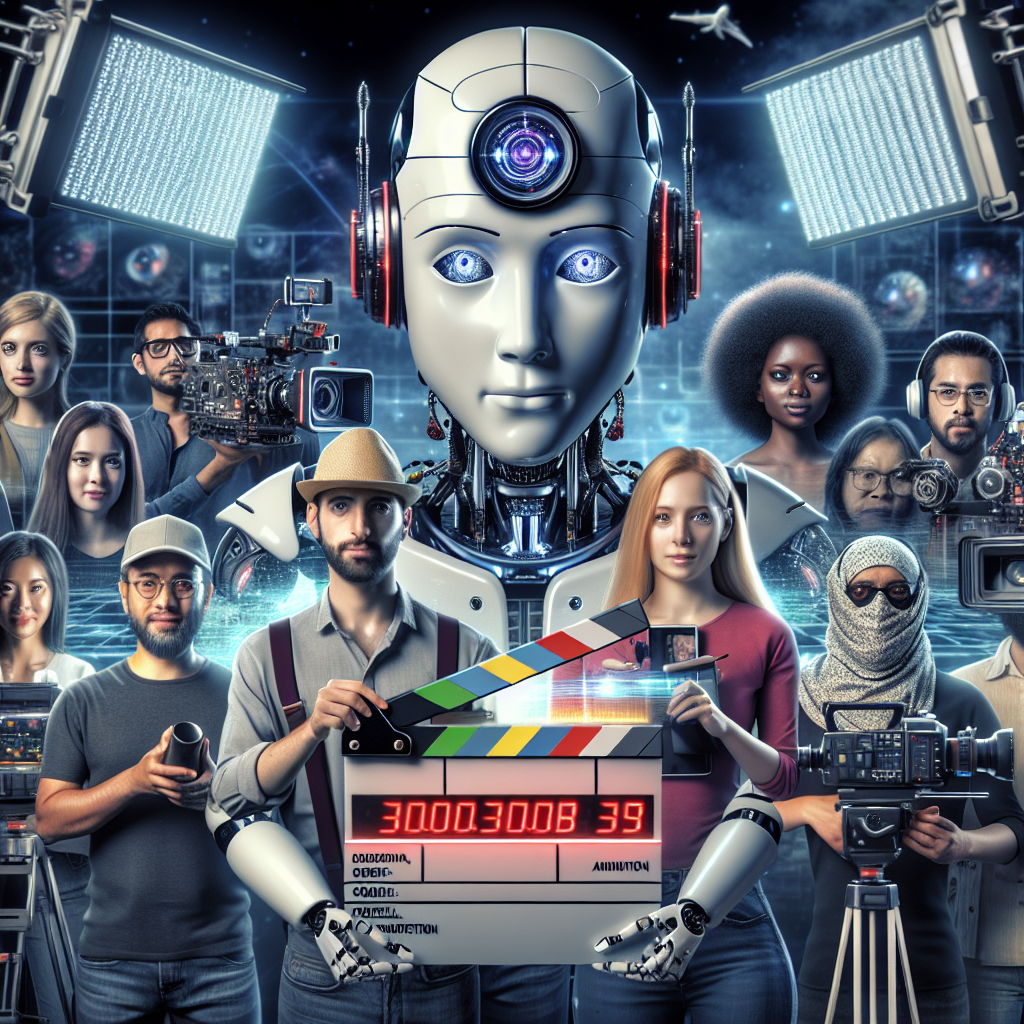
In the evolving landscape of the film industry, the synergy between technology and creativity has always been pivotal. Today, Artificial Intelligence (AI) is emerging as a transformative force, particularly in redefining the role of directors. As filmmaking pushes new frontiers, directors are harnessing AI to innovate storytelling, improve production efficiency, and expand creative boundaries. This article delves into how AI is influencing directors’ roles, exploring its potential, implications, and future possibilities.
Outline
- Enhancing Creativity and Storytelling
- Streamlining Production Processes
- Improving Editing and Post-Production
- Virtual Reality and Augmented Reality in Filmmaking
- Ethical Considerations in AI Usage
- Future Trends and Predictions
Enhancing Creativity and Storytelling
Artificial Intelligence is proving to be a valuable collaborator for directors, enhancing creative processes in ways previously unimaginable. **AI-tools** enable filmmakers to:
- Analyze vast amounts of data to forecast audience preferences and trends.
- Generate script ideas or character development insights through natural language processing.
- Create dynamic storyboards that adjust with real-time feedback.
Directors can now focus on creative storytelling elements while AI handles data-driven insights. This collaboration leads to innovative narratives that resonate with audiences on a deeper level.
Streamlining Production Processes
AI offers significant advantages in streamlining the production phase. Through its integration, filmmakers can:
- Optimize scheduling and logistics by predicting potential delays and suggesting alternatives.
- Enhance casting processes with AI-driven talent recognition systems.
- Improve budget management by forecasting potential cost overruns and suggesting optimizations.
These enhancements not only aid efficiency but also allow directors to allocate more time to artistic elements, rather than logistical concerns.
Improving Editing and Post-Production
The editing phase, a critical component of filmmaking, has benefited immensely from AI technology. Key improvements include:
- Automated editing assistants that suggest cuts based on pacing and narrative flow.
- AI-driven special effects that enable filmmakers to seamlessly integrate complex shots.
- Enhanced color grading and sound editing through smart analytics and machine learning algorithms.
Directors now have the opportunity to refine their films with greater precision and creativity, thanks to AI’s capabilities.
Virtual Reality and Augmented Reality in Filmmaking
The rise of Virtual Reality (VR) and Augmented Reality (AR) technologies has opened new doors for creative expression. Directors are leveraging these technologies powered by AI to:
- Create immersive experiences where audiences can explore story worlds.
- Visualize complex scenes with pre-visualization tools that integrate VR/AR elements.
- Experiment with interactive storytelling, offering unique narratives based on viewer interaction.
By incorporating VR and AR, directors can craft experiences that transcend traditional film boundaries, engaging audiences in groundbreaking ways.
Ethical Considerations in AI Usage
While AI offers numerous benefits, its integration in filmmaking also raises ethical considerations. Directors must navigate:
- The potential for AI to replicate or replace creative roles, leading to job displacements.
- Issues related to copyright and intellectual property when AI generates content.
- Bias and inclusivity in AI algorithms, impacting diversity in storytelling.
Addressing these challenges is crucial for ensuring that AI is used responsibly and equitably in the film industry.
Future Trends and Predictions
The future of filmmaking with AI seems promising, with several trends on the horizon:
- Enhanced collaboration between AI tools and human creativity.
- The rise of AI-driven personalization where content adapts to individual audience preferences.
- A shift towards more data-driven decision-making processes throughout production.
As AI continues to evolve, directors in the film industry will likely find innovative ways to blend technology and artistry, leading to new cinematic experiences that push the boundaries of storytelling.
“`