“`html
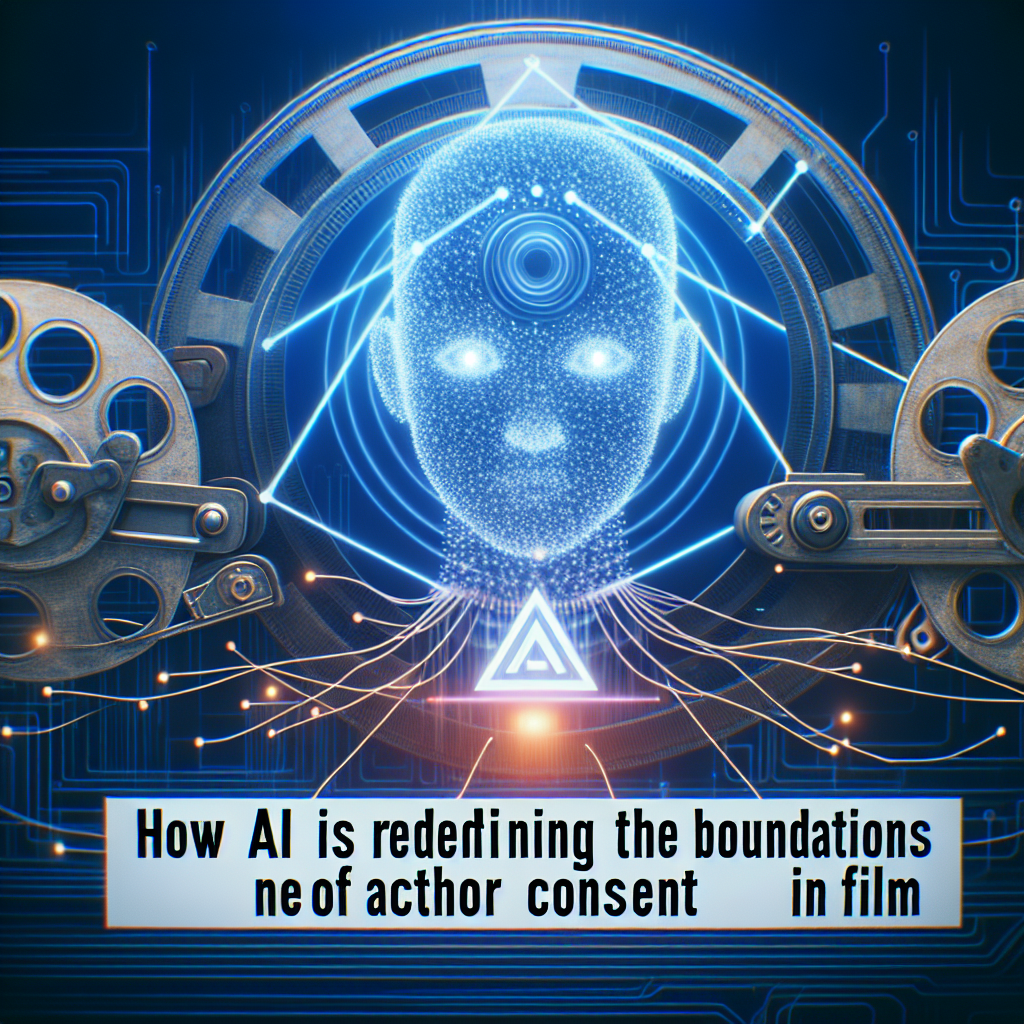
Artificial Intelligence (AI) is significantly reshaping the film industry, particularly in how it approaches **actor consent**. As technology advances, filmmakers are using AI to digitally replicate actors, create realistic visual effects, and even alter performances post-production—all without the physical presence of the original actors. While these innovations offer remarkable creative possibilities, they also present complex challenges regarding the boundaries of consent, raising pertinent ethical and legal questions.
AI Technology and Actor Replication
AI technology has been a game-changer in **actor replication** and **digital character creation**. Here’s how:
- Deepfake Technology: Allows for the creation of remarkably accurate digital replicas of actors by using deep learning algorithms.
- CGI and Motion Capture: Advanced CGI coupled with AI can manipulate actor footage to create or modify on-screen performances without additional shoots.
- Voice Synthesis: AI can now convincingly synthesize voices, making it possible to create dialogue without an actor’s involvement.
These technologies extend creative opportunities but also bring new risks, particularly related to **actor consent** and control over their likenesses.
Ethical Concerns
AI’s capabilities in altering or creating actors’ performances raise numerous ethical concerns:
- Consent and Autonomy: How can actors ensure control over their digital likeness and performances?
- Posthumous Use: Is it ethical to use AI to revive deceased actors for new performances?
- Authenticity and Misrepresentation: Do audiences have the right to know when digital doubles are used?
The challenge lies in balancing technological potential with respecting human dignity and actor rights.
Legal Implications
The legal landscape around AI in film is still developing, but key areas include:
- Intellectual Property Rights: Determining who owns the rights to a digitally replicated performance.
- Contractual Obligations: Including provisions for digital rights and usage in actor contracts becomes essential.
- Privacy and Image Rights: Protecting the personal rights of actors against potential misuse.
Legislators and industry players are working to adapt to these novel challenges.
Impact on the Industry and Society
The implications of AI on the film industry and broader society are profound:
- Creative Possibilities: AI unlocks new creative avenues and storytelling techniques.
- Job Roles and Skills: The rise of AI might lead to shifts in job roles, requiring new skills in film production.
- Social Implications: Reflecting societal values, AI can reinforce or challenge norms regarding identity and representation.
While offering vast potential, AI also necessitates a thoughtful approach to its integration into society and policy-making.
Conclusion
AI is undoubtedly **redefining the boundaries of actor consent** in the film industry. While offering exciting technological advancements, it also poses crucial ethical and legal considerations. As the film industry continues to navigate these changes, collaboration among technologists, filmmakers, actors, and regulators will be essential to ensure that AI is used responsibly, enhancing artistic expression while safeguarding actors’ rights.
“`