
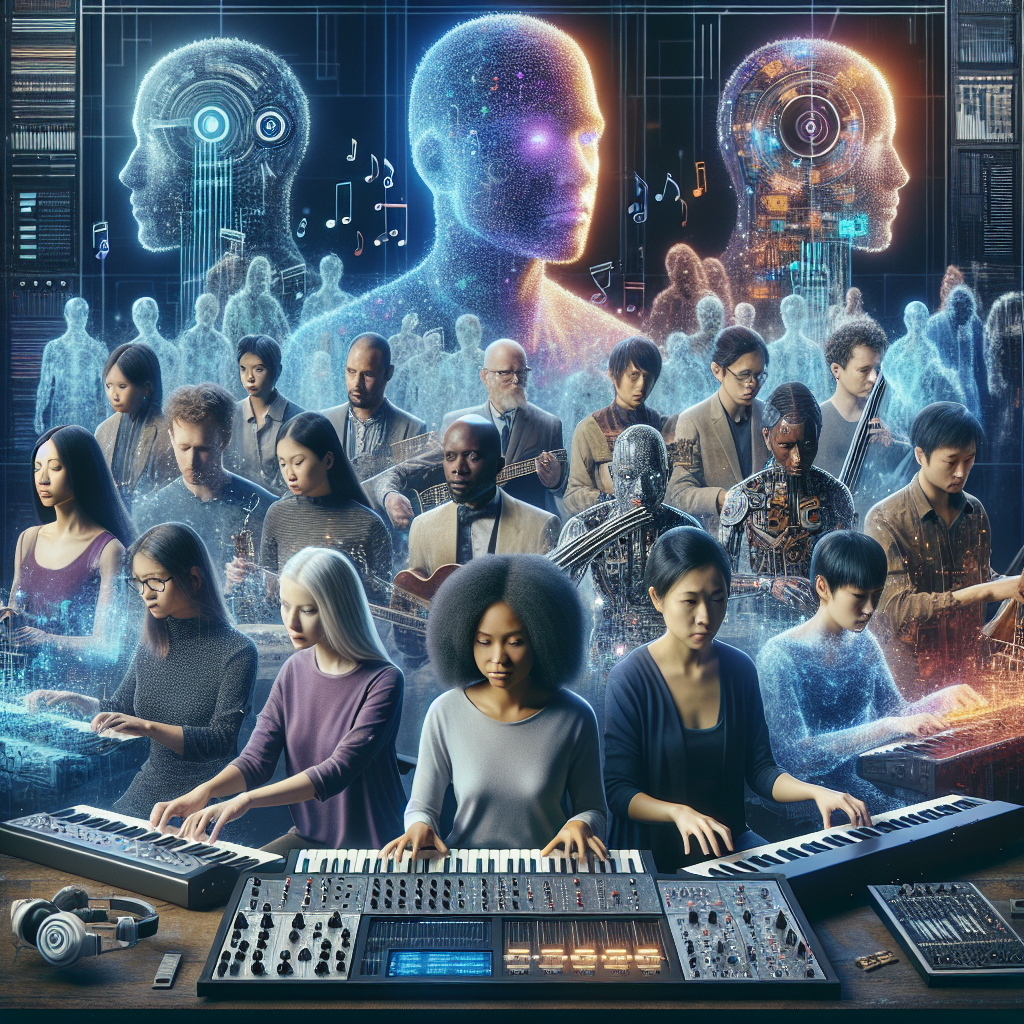
Artificial Intelligence (AI) has dramatically transformed various industries, and the film industry is no exception. One of the significant areas where AI is making a profound impact is in film scoring and music composition. But how exactly is this technology changing the landscape for composers and musicians? This article delves into the various ways AI is influencing this field, examining its benefits, challenges, and the implications for job roles in this creative industry.
Impact on Traditional Composers
Traditional composers have long been the backbone of film scoring, bringing their unique, human touch to create emotionally resonant music. However, the advent of AI is changing the dynamics in this field.
- Automation: AI can now compose music by learning from a vast database of existing scores, reducing the need for manual composition.
- Time Efficiency: AI tools can generate music more quickly than human composers, speeding up the production process.
- Cost Reduction: Using AI can sometimes be more cost-effective than hiring a full-time composer.
These factors can lead to a shift in job roles, with traditional composers needing to adapt by learning how to work alongside AI or focusing on areas where human touch is indispensable.
Benefits of AI in Film Scoring
The integration of AI in film scoring comes with numerous advantages that make it an appealing option for filmmakers and production studios.
- Consistency and Precision: AI can produce music that is both consistent and precise, adhering to specific guidelines and timing without human error.
- Accessibility: Even smaller studios with limited budgets can now access high-quality music, thanks to AI-driven tools.
- Innovative Sound: AI can experiment with unique combinations of instruments and styles, creating new and innovative sounds that might not be easily imagined by human composers.
These benefits make AI a valuable tool in the film scoring process, enabling greater creative exploration and efficiency.
Challenges and Concerns
Despite the numerous benefits, the integration of AI into film scoring is not without its challenges and concerns.
- Loss of Jobs: Automation might lead to a decrease in jobs for traditional composers, as more studios opt for AI-generated scores.
- Quality and Originality: While AI can mimic styles, it may lack the originality and emotional depth that human composers bring to their work.
- Ethical Issues: Questions around copyright, ownership of AI-generated music, and ethical use of AI in creative fields need to be addressed.
These challenges highlight the need for a balanced approach that combines the strengths of both AI and human composers, ensuring that the unique qualities of human creativity are not lost.
Future Trends
The future of AI in film scoring and music composition looks promising, with several trends poised to shape the industry.
- Collaborative AI: Platforms that allow human composers to collaborate with AI tools will become more prevalent, blending human creativity with AI efficiency.
- Advanced Personalization: AI may evolve to produce highly personalized music, tailored to the preferences of specific audiences or even individual filmmakers.
- Ethical AI Development: As the use of AI becomes more widespread, ethical guidelines and standards will be crucial to ensure fair use and proper attribution.
By staying ahead of these trends, composers and filmmakers can harness the potential of AI while maintaining the quality and originality that define great film scores.