
“`html
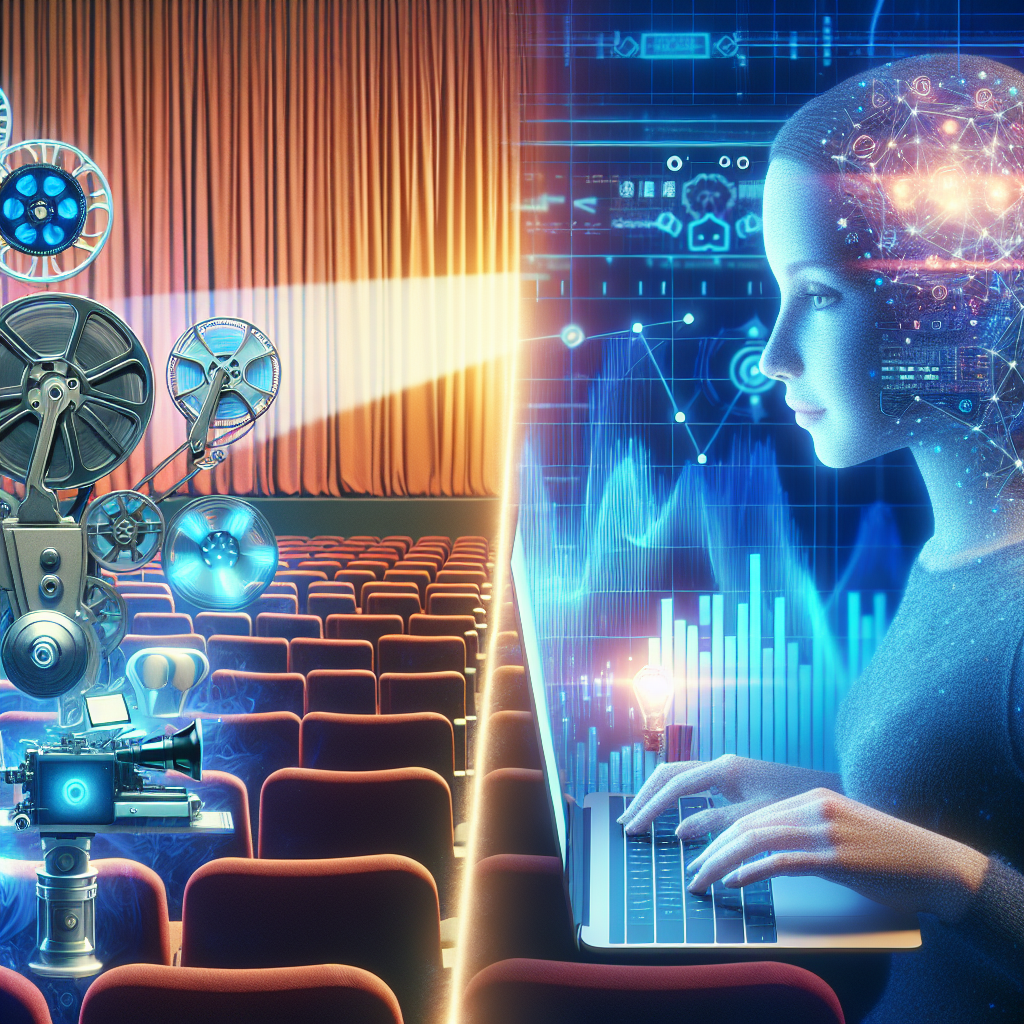
The advent of **artificial intelligence (AI)** is reshaping various sectors, including the realm of film journalism and media criticism. As AI technologies advance, they are radically transforming how film journalists and critics work, from film analysis and content creation to audience engagement, thereby altering the landscape of film media. This blog article delves into how AI is changing the role of film journalists and media critics, including the benefits and challenges that arise from integrating these technologies. By understanding these changes, we can appreciate the evolution of film journalism in the era of AI.
Automation in Film Journalism
The integration of AI in film journalism has led to significant levels of **automation**. AI-driven tools can quickly generate news articles, summaries, and even reviews of films. These smart algorithms process vast amounts of data to create compelling narratives and provide basic film descriptions, thus freeing up journalists’ time for in-depth analysis and unique insights.
- **AI-generated content**: Simple news pieces about box office figures, cast announcements, or festival appearances can now be automated, which allows human journalists to focus on more interpretive and investigative work.
- **Streamlined workflow**: Film journalists can use AI tools to transcribe interviews, aiding in the content creation lifecycle without the need for time-intensive manual work.
Data-Driven Film Analysis
AI empowers journalists and critics with **data-driven insights** that can significantly enhance their analysis and critiques. Advanced algorithms are capable of analyzing audience reactions, cinematic trends, and box office performances with great accuracy. This access to data allows journalists to support their reviews and analyses with tangible facts and figures.
- **Sentiment analysis**: AI tools can evaluate audience sentiment across social media and forums, providing immediate insights into public perception of films.
- **Trend identification**: Journalists can use AI to detect emerging trends in filmmaking, such as genre popularity or changes in audience preferences, and report these in their analyses.
Personalization of Content
AI is playing a crucial role in the **personalization** of film journalism content. By understanding user preferences and behavior, AI allows media outlets to tailor their content delivery, ensuring readers receive film critiques and news stories aligned with their interests.
- **Enhanced reader engagement**: Personalized recommendations increase reader engagement by delivering content specific to individual preferences.
- **Adaptive content feeds**: AI dynamically adjusts content feeds to highlight articles likely to interest specific audiences, optimizing reader experiences.
Challenges and Ethical Considerations
While AI offers numerous advantages, it also comes with its share of **challenges and ethical considerations**. These issues need to be addressed to maintain the integrity and quality of film journalism.
- **Bias and misinformation**: There’s a risk of AI systems perpetuating biases present in their training data, which can lead to skewed reporting or analyses.
- **Credibility**: Determining the credibility of AI-generated content remains a significant concern for media consumers seeking trustworthy information.
The Future of Film Journalism with AI
The future of film journalism in an AI-driven world is **dynamic and promising**. Film journalists and media critics will increasingly work alongside AI tools, leveraging their capabilities to enrich their storytelling and analytical prowess.
- **Collaborative human-AI efforts**: By combining the unique interpretive skills of journalists with AI’s analytical strengths, film journalism can provide deeper, more engaging content.
- **Innovative storytelling techniques**: As AI evolves, it will open new avenues for innovative content delivery methods, such as immersive storytelling experiences using augmented reality.
In conclusion, the integration of AI is undeniably transforming the landscape of film journalism and media criticism, offering exciting opportunities for enhanced content production and audience engagement, although not without its challenges that must be met with careful consideration.
“`