
“`html
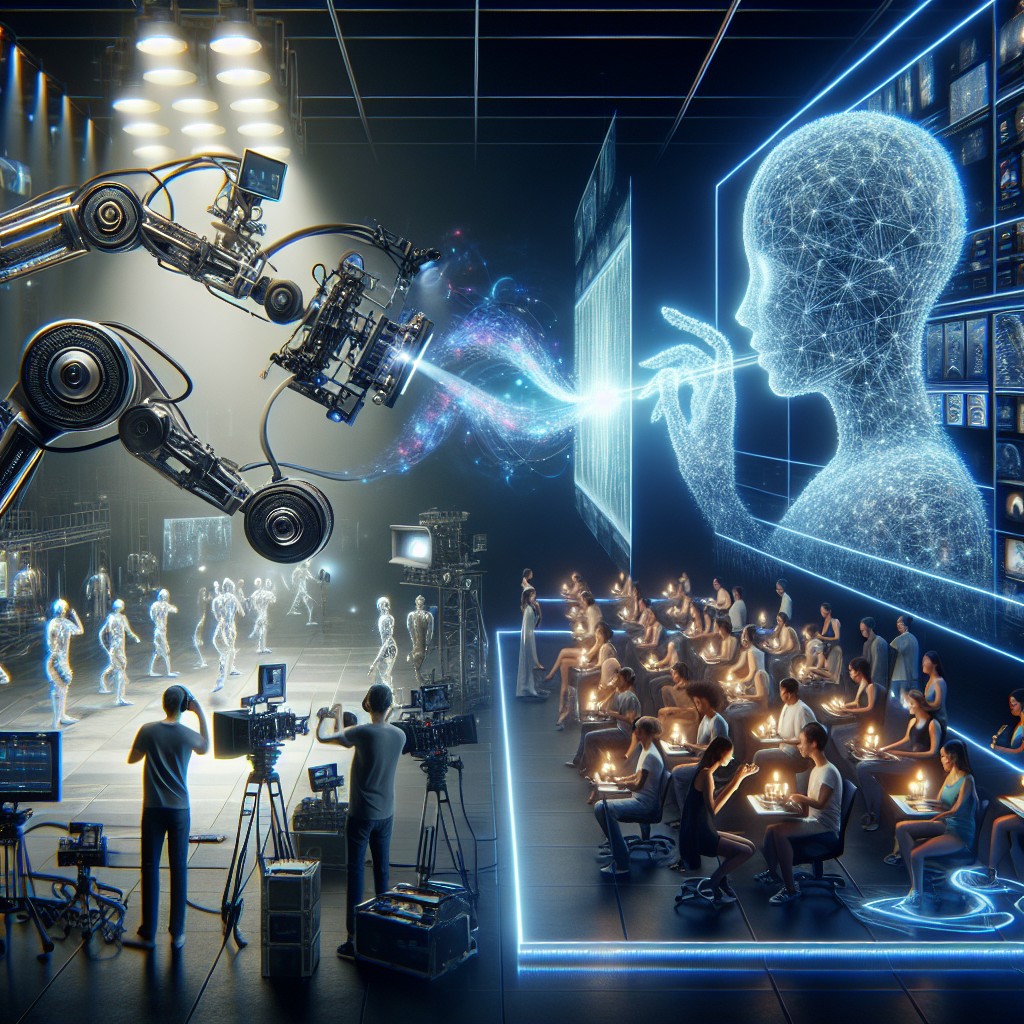
Artificial Intelligence (AI) is revolutionizing various sectors, and the world of filmmaking is no exception. From scriptwriting to post-production, AI is automating countless filmmaking processes, bringing innovative tools and methods into play. As these technologies advance, they promise to reshape the landscape of the film industry, making it more efficient, accessible, and creative.
- Introduction to AI in Filmmaking
- Automated Scriptwriting
- AI in Pre-Production
- AI in Production
- AI in Post-Production
- Future Trends of AI in Filmmaking
- Challenges and Considerations
Introduction to AI in Filmmaking
AI’s influence in filmmaking extends beyond mere automation. By integrating AI, filmmakers can explore **new creative boundaries**, expedite labor-intensive tasks, and streamline workflow efficiency. This technological shift not only lowers production costs but also enables **personalized content creation**, enhancing viewer engagement and satisfaction.
Automated Scriptwriting
The journey of a film begins with a compelling script. Traditionally a human-intensive endeavor, scriptwriting has become fertile ground for AI applications. AI programs can now analyze vast data pools of scripts, identifying successful patterns, structures, and styles. **Key benefits** of AI in scriptwriting include:
- Idea Generation: AI can suggest plot points and character arcs based on analyzed data.
- Speedy Drafting: Generative AI models can draft entire scripts by using prompts given by creators.
- Trend Analysis: AI can predict viewer preferences, tailoring scripts to meet popular demand.
AI in Pre-Production
Pre-production sets the stage for a seamless filming process and AI is making significant impacts here too. In this phase, AI helps in:
- Casting: AI platforms can sift through databases to find the perfect match, analyzing actors’ demographics, acting style, and historical appeal.
- Location Scouting: Machine learning algorithms can analyze preferences and recommend the best shooting locations, based on climate data, logistical information, and historical context.
- Budgeting: AI tools can create accurate budgets by considering potential cost overruns, equipment needs, and crew management, thereby improving financial planning.
AI in Production
During production, AI technologies are **advancing camera operation and lighting**. Here’s how:
- Automated Camera Systems: AI-driven cameras can track objects and adjust focal points seamlessly, allowing for complex shots without extensive human corrections.
- Lighting Adjustments: AI systems can optimize lighting setup based on real-time inputs, creating perfectly lit scenes dynamically.
- Virtual Production: AI enables creators to build and utilize **extensive virtual environments**, allowing filming to take place in virtually created worlds with ease and heightened realism.
AI in Post-Production
Once filming wraps up, post-production processes benefit significantly from AI’s innovative capabilities:
- Editing Automation: AI can suggest cuts and transitions by analyzing footage, helping editors achieve a narrative flow with greater efficiency.
- Special Effects: AI facilitates CGI creation and enhances visual effects, bringing magical elements to life swiftly.
- Sound Design: AI audio tools assist in auto-tuning, background score composition, and overall auditory enhancement, elevating the film’s sound quality.
Future Trends of AI in Filmmaking
As AI continues to evolve, its role within filmmaking will only grow more profound. **Future trends** might include:
- Hyper-personalization: Customized storytelling, based on audience demographics and behavior, may become immersive experiences tailored to individual viewers.
- Real-time Analytics: Improved analytics during screenings could offer immediate feedback, fine-tuning content in real-time to enhance viewer engagement.
- Extended Reality (XR): AI will further aid in creating augmented and virtual realities, offering more **interactive cinema experiences**.
Challenges and Considerations
While the prospects are promising, certain **challenges** accompany AI integration into filmmaking:
- Quality Control: Ensuring AI-generated content aligns with human creativity standards is critical.
- Ethical Concerns: The depiction of digital humans or scripts must remain ethically sound and artistically genuine.
- Privacy and Data Segurança: Safeguarding data used by AI systems is an immense concern, necessitating robust security protocols.
In conclusion, AI is undeniably set to redefine filmmaking artistry and efficiency. By tapping into these advanced technologies, the industry stands on the brink of a new golden age of storytelling, where creativity knows no bounds, and stories captivate like never before.
“`