
“`html
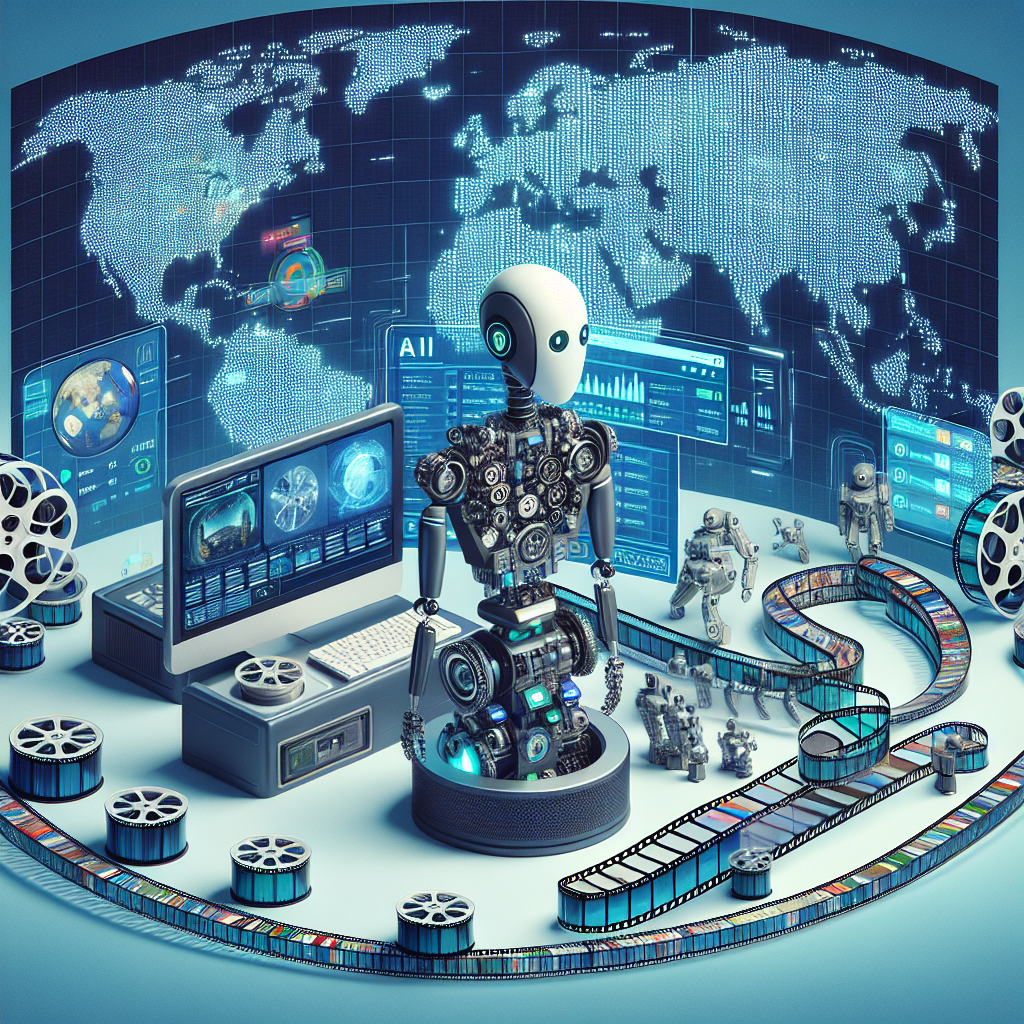
In the rapidly evolving landscape of cinema, Artificial Intelligence (AI) is reshaping the film distribution industry. By optimizing processes and automating complex tasks, AI helps distributors transcend geographical boundaries, making it easier for films to reach global audiences. This revolution in film distribution not only enhances efficiency but also provides a personalized viewing experience. In this article, we’ll explore how AI is transforming film distribution for global audiences.
Understanding AI in Film Distribution
AI in film distribution refers to the use of artificial intelligence and machine learning techniques to enhance and streamline the film delivery process. **AI-driven technologies** leverage data analytics to predict audience preferences, optimize marketing strategies, and automate logistical tasks. By analyzing vast datasets, AI can help film distributors make well-informed decisions, ensuring movies reach the right audience at the right time.
Benefits of AI Automation in Film Distribution
AI automation brings numerous advantages to film distribution, enhancing both efficiency and reach:
- Global Reach: AI algorithms can identify emerging markets and tailor strategies to capitalize on these opportunities.
- Cost-effectiveness: Automation of tasks like subtitling and dubbing reduces manual intervention, cutting costs significantly.
- Personalized Content: AI can analyze viewer behavior to deliver content tailored to individual preferences, increasing engagement.
- Data-driven Marketing: AI provides insights into how different demographics consume content, allowing targeted marketing campaigns.
Key Technologies Driving AI in Film Distribution
- Machine Learning: By analyzing historical data, machine learning algorithms predict audience trends and optimize distribution strategies.
- Natural Language Processing (NLP): NLP is pivotal in automating translations, subtitling, and dubbing, enabling films to easily cross linguistic barriers.
- Predictive Analytics: Helps in forecasting market demand and audience preferences, crucial for strategic planning and resource allocation.
- Content Recommendation Systems: Enhanced algorithms analyze viewer patterns to suggest films likely to be enjoyed by particular audience segments.
Challenges and Solutions
While AI presents many benefits, several challenges need addressing:
- Data Privacy: Ensuring user data is handled ethically and securely is vital. Solution: Implementing robust data protection protocols and maintaining transparency.
- Bias in Algorithms: AI systems may carry biases from their training data. Solution: Continuous refinement and updating of algorithms to ensure fairness and accuracy.
- Integration Costs: Initial investment in AI technologies can be high. Solution: Prioritize scalable technologies and seek partnerships for shared cost management.
Future Trends in AI-Driven Film Distribution
As AI continues to evolve, several trends are anticipated to shape the future of film distribution:
- Augmented Reality (AR) and Virtual Reality (VR): AI-driven immersive experiences will become more prevalent, offering new storytelling avenues.
- Advanced Data Analytics: Increasingly sophisticated algorithms will allow even more precise audience targeting and engagement strategies.
- Blockchain Technology: Enhanced security and transparency in distribution processes through the adoption of blockchain can revolutionize the industry.
In conclusion, AI is proving to be a significant game-changer in the realm of film distribution, breaking down barriers and connecting global audiences with diverse content. As technology advances, the potential for even more streamlined and personalized film experiences continues to grow, promising exciting opportunities for filmmakers and audiences alike.
“`