“`html
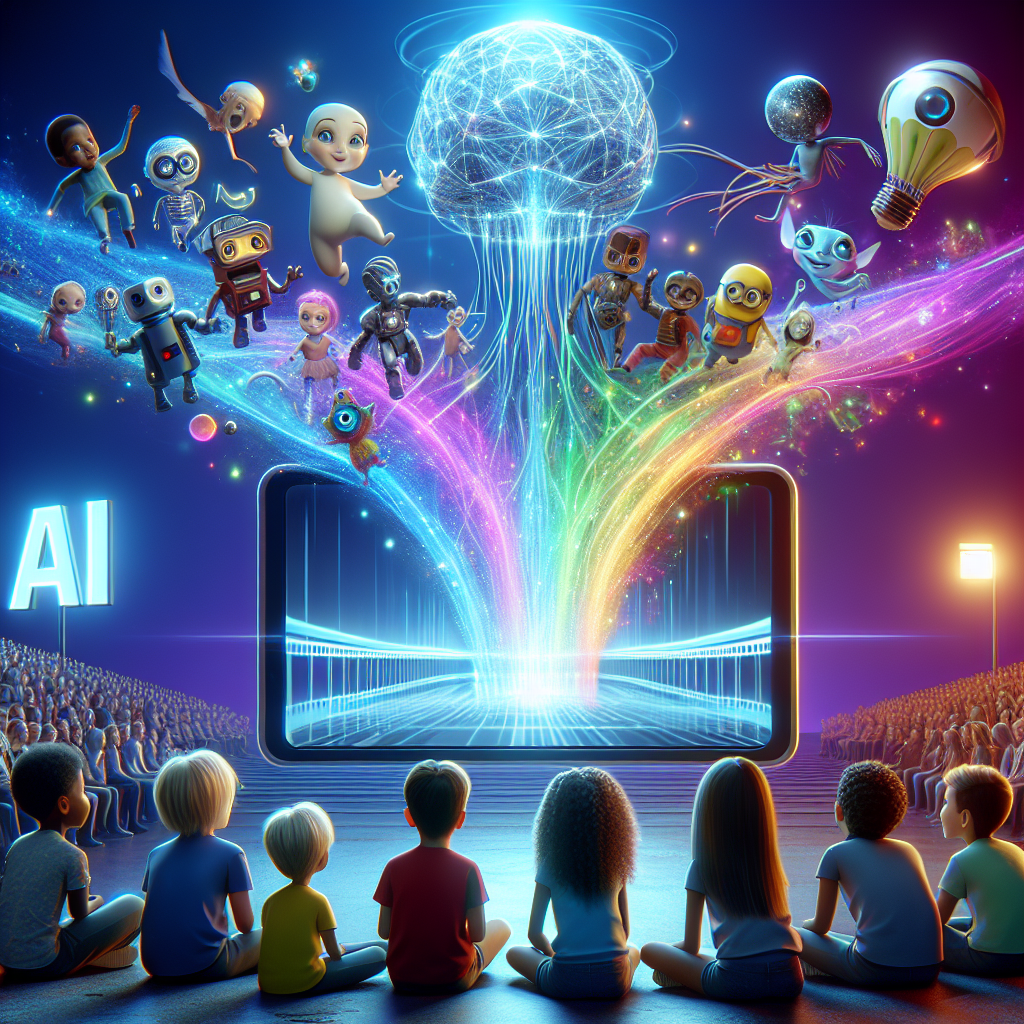
In recent years, the world of family entertainment has undergone a remarkable transformation, thanks to artificial intelligence (AI). Both filmmakers and tech enthusiasts are now exploring the potential of AI in crafting movies, especially for children’s audiences. This piece dives into how AI-generated films are shaping the future of children’s movies, highlighting the advantages, innovations, and the unlimited creative possibilities AI brings to the table.
Advantages of AI-Generated Films for Children
The use of AI in film creation can significantly impact the landscape of children’s movies. Here are some notable advantages:
- Personalization: AI can tailor content to suit different age groups and preferences, creating a more personalized viewing experience.
- Cost Efficiency: Automating parts of the production process can dramatically lower costs, making filmmaking accessible to a broader range of creators.
- Quick Feedback Loop: AI allows creators to quickly analyze audience reactions and make adjustments accordingly.
- Diverse Visual Effects: AI can generate impressive and unique visual effects, captivating young audiences.
Techniques Involved in AI Film Creation
Several cutting-edge techniques are now employed in AI-generated film production. These techniques enhance creativity and efficiency in filmmaking:
- Script Writing Using AI: Algorithms are now being used to generate storylines and dialogues, providing an innovative twist to storytelling.
- Animation and Rendering: AI can automate labor-intensive animation and rendering processes, speeding up production time significantly.
- Voice Synthesis: These advancements can produce lifelike voiceovers without the need for human actors.
- Deep Learning for Visual Effects: Machine learning aids in crafting sophisticated visual effects, offering a unique appeal to visuals.
Challenges and Ethical Concerns
Despite the many benefits, AI-generated films also bring about certain challenges and ethical concerns:
- Originality and Creativity: Critics argue that AI can lead to repetitive and formulaic content, affecting the creativity of narratives.
- Ethical Issues of Representation: Concerns regarding the biases embedded into AI systems can influence how characters are represented.
- Job Displacement: As AI takes over certain production tasks, there may be concerns about job losses in the film industry.
Future Trends in AI-Generated Children’s Movies
The future of AI in children’s filmmaking is promising, with endless possibilities waiting to be unlocked:
- Interactive Storytelling: AI could soon offer fully interactive movies, where children can influence the story through their choices.
- AI-Enhanced Learning: Educational content might be delivered through AI-generated films, making learning engaging and fun for children.
- Global Collaborations: With costs lowered, international collaborations will become more frequent, enriching the cultural diversity of children’s films.
Conclusion
AI-generated films are revolutionizing the way children’s stories are told and experienced. With the potential to enhance creativity, reduce production costs, and offer personalized content, AI proves to be a game-changer for the industry. However, filmmakers must balance these innovations with ethical considerations to ensure a positive impact on young audiences. As we continue to explore the intersection between FilmTech and AI, the future looks bright for the next generation of children’s movies.
“`