
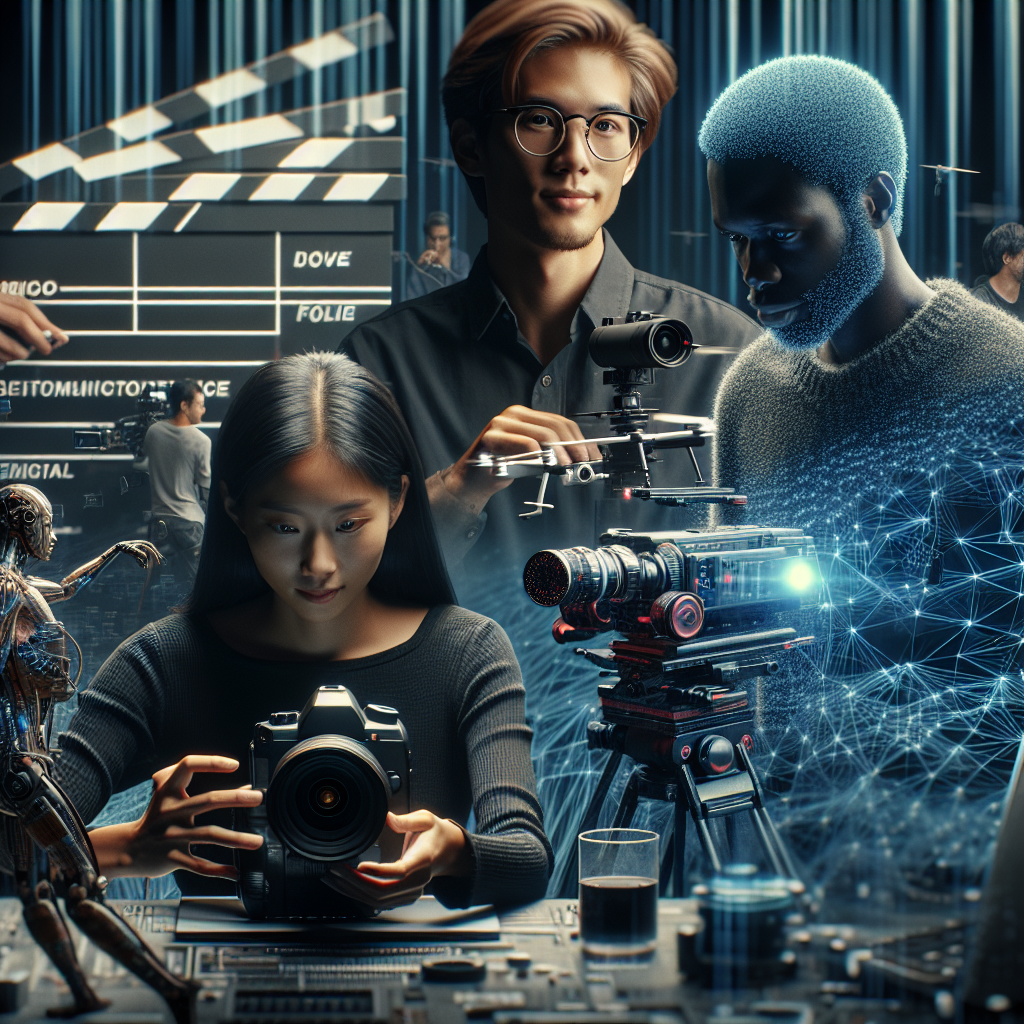
In the ever-evolving landscape of the film industry, the role of cinematographers is undergoing a transformative shift thanks to the rise of AI-generated films. This advancement is redefining how movies are created, offering new tools and perspectives to filmmakers that were once thought impossible. Understanding these changes is crucial for professionals and enthusiasts alike, as it sheds light on the future of filmmaking and the innovative possibilities AI brings to the table.
Article Outline
- Introduction
- Changing Role of Cinematographers
- Integration of AI in Filmmaking
- Benefits of AI for Cinematographers
- Challenges and Concerns
- Future Outlook
- Conclusion
Introduction
The introduction of artificial intelligence (AI) in filmmaking is revolutionizing the role of cinematographers. Traditionally, cinematographers were responsible for crafting the visual essence of a film, considering lighting, framing, and camera movement. However, AI-generated films are altering these responsibilities, introducing new tools that enhance creativity and efficiency. In this comprehensive article, we will delve into how AI-generated films are changing the role of cinematographers, the benefits and challenges of AI integration, and the future outlook for this burgeoning industry.
Changing Role of Cinematographers
The traditional responsibilities of cinematographers are expanding with the advent of AI in film production. Now, cinematographers are not only masters of their craft but also collaborators with AI systems that assist in various aspects of movie-making. This evolution involves:
- Pre-Visualization: AI can help in creating pre-visualization shots, allowing cinematographers to experiment with different angles and lighting before the actual shoot.
- Lighting Assistance: Intelligent lighting systems controlled by AI can adjust in real-time to achieve the desired mood effectively, reducing setup time.
- Scene Composition: AI algorithms can suggest optimal framing and camera settings based on the script’s emotional and narrative needs.
These advancements mean that cinematographers must develop new skills and adapt to working alongside AI tools, which ultimately help enhance the filmmaking process.
Integration of AI in Filmmaking
AI integration in filmmaking encompasses various stages of production, from script analysis to post-production:
- Script Analysis: AI tools can analyze scripts to suggest visual elements and predict audience reactions, aiding cinematographers in planning their approach.
- Virtual Production: AI-driven virtual production allows for creating detailed storyboards and animatics, giving cinematographers a clear blueprint to follow.
- Post-Production: AI assists in color grading, editing, and even generating CGI effects, streamlining processes and ensuring consistency in visual quality.
The integration of AI enhances efficiency, enabling cinematographers to focus more on the creative aspects of their work.
Benefits of AI for Cinematographers
AI-generated films bring several benefits to cinematographers and the broader film industry:
- Enhanced Creativity: AI tools provide new ways to experiment with visual storytelling, opening up previously unexplored creative avenues.
- Improved Efficiency: Automation of repetitive tasks allows cinematographers to concentrate on more intricate aspects of their craft.
- Cost Reduction: By streamlining production workflows, AI helps reduce costs, making high-quality filmmaking more accessible.
- Data-Driven Decision Making: AI offers insights and predictive analytics that help cinematographers make informed decisions during production.
These benefits are transforming how cinematographers approach their work, making the filmmaking process more dynamic and innovative.
Challenges and Concerns
While the integration of AI in filmmaking is promising, it presents several challenges and concerns that need addressing:
- Job Displacement: There is a fear that AI might replace human roles, leading to job losses within the film industry.
- Data Privacy: The use of AI requires large amounts of data, raising concerns about privacy and data security.
- Creative Control: Relying too heavily on AI could stifle the unique artistic vision that human cinematographers bring to films.
- Ethical Considerations: The ethical implications of using AI-generated content need thorough examination to prevent potential misuse.
Addressing these challenges is crucial to ensure that AI enhances rather than detracts from the art and profession of cinematography.
Future Outlook
The future of AI in filmmaking looks promising, with several exciting prospects on the horizon:
- Advanced AI Tools: Continued advancements in AI will result in more sophisticated tools for cinematographers, further enhancing their capabilities.
- Collaborative Human-AI Workflows: The future will likely see more seamless collaboration between humans and AI, creating a symbiotic relationship that benefits both parties.
- Broadened Accessibility: As AI tools become more affordable and user-friendly, a wider range of filmmakers will be able to leverage these technologies.
- New Creative Possibilities: AI will open up new avenues for storytelling, allowing for more innovative and visually stunning films.
The future holds immense potential for AI to positively impact the role of cinematographers and the film industry as a whole.
Conclusion
In conclusion, the introduction of AI-generated films is significantly changing the role of cinematographers. From enhancing creativity and efficiency to presenting new challenges that need addressing, AI is a transformative force in the film industry. As cinematographers continue to adapt to these changes, the collaborative potential between human creativity and artificial intelligence will undoubtedly lead to a new era of filmmaking that is more innovative and dynamic than ever before.