
“`html
body { font-family: Arial, sans-serif; line-height: 1.6; margin: 20px; }
h2 { color: #2c3e50; }
a { color: #2980b9; }
.highlight { font-weight: bold; }
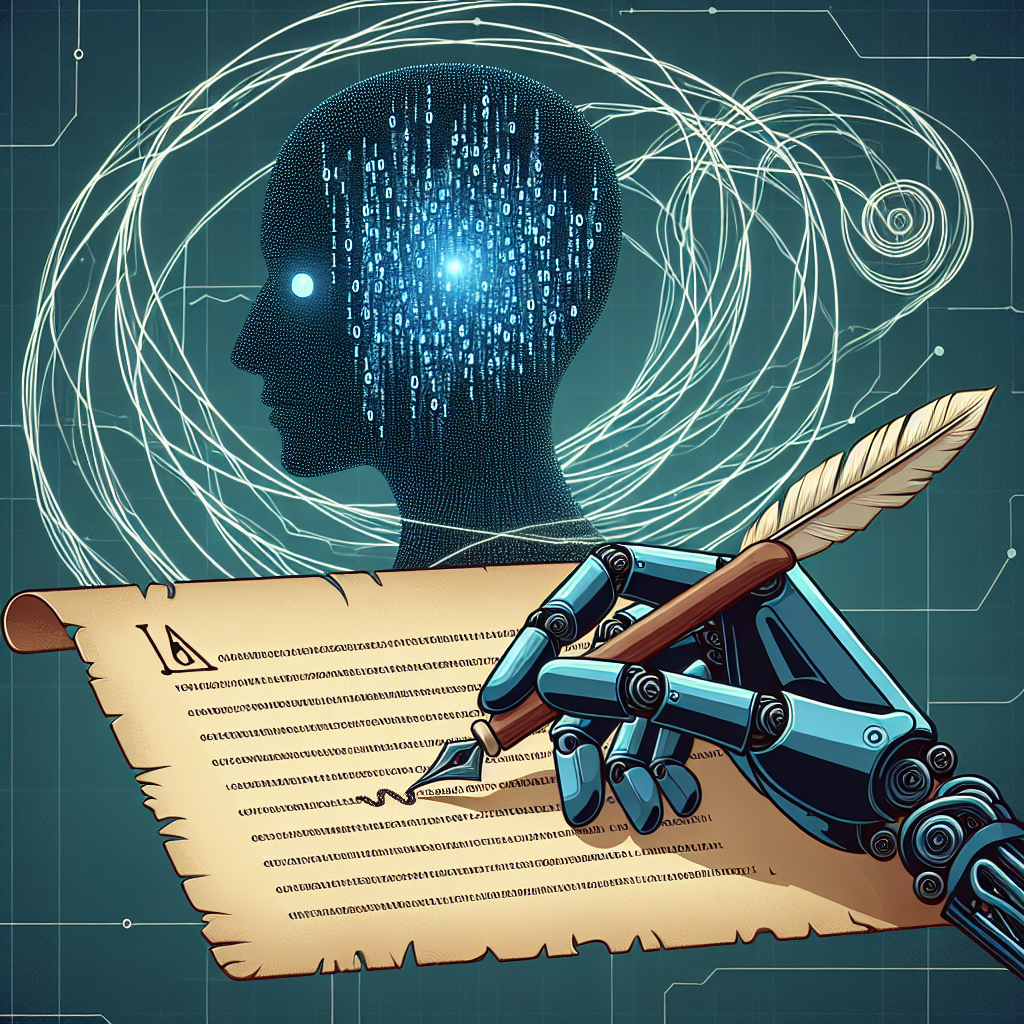
In the ever-evolving landscape of filmmaking, the fusion of artificial intelligence (AI) with traditional narrative techniques is giving rise to a new paradigm: non-linear storytelling. By leveraging the capabilities of AI, filmmakers can now explore complex narratives and create immersive experiences that captivate audiences in unprecedented ways. This article delves into how AI enhances scripting for non-linear storytelling, exploring its impact on creativity, audience engagement, and production efficiency.
- Introduction
- AI and Non-Linear Storytelling
- Enhancing Creativity
- Improving Efficiency
- Boosting Audience Engagement
- Challenges and Ethical Considerations
- The Future of AI in Film
AI and Non-Linear Storytelling
Non-linear storytelling disrupts traditional narrative structures by allowing events to be presented out of chronological order. This technique, although not new, has seen a remarkable transformation with the advent of AI. By analyzing vast datasets and understanding narrative structures, AI algorithms can create flexible script architectures that support multiple story paths. AI integrates predictive analytics to foresee audience preferences, enabling filmmakers to tailor stories that resonate deeply with viewers.
Enhancing Creativity
The use of AI in scriptwriting opens up a world of possibilities for creativity:
- Idea Generation: AI tools can suggest plot twists, character development arcs, and alternative story endings, expanding the creative horizons for writers.
- World Building: By analyzing existing story elements, AI can propose intricate world-building concepts that enrich the narrative tapestry.
- Character Dynamics: Advanced AI models can simulate character interactions, helping writers explore the depth of relationships and conflicts.
Improving Efficiency
AI significantly accelerates the scriptwriting process:
- Automated Formatting: Script formatting software powered by AI ensures adherence to industry standards, saving time and reducing errors.
- Draft Revisions: AI systems can suggest corrections and improvements, aiding writers in refining their scripts more swiftly.
- Collaboration Tools: Platforms using AI facilitate seamless collaboration between writers, editors, and directors, ensuring coherent story development.
Boosting Audience Engagement
AI-driven non-linear stories respond in real-time to audience reactions:
- Interactive Experiences: AI enables the creation of interactive narratives where audience decisions influence story outcomes, fostering a deeper connection.
- Personalized Content: By analyzing viewer data, AI can adapt narrative paths to match individual preferences, increasing viewer satisfaction.
- Enhanced Immersion: Virtual reality (VR) and augmented reality (AR) experiences are enriched by AI, offering audiences a fully immersive storytelling journey.
Challenges and Ethical Considerations
Despite its many benefits, the use of AI in film raises challenges and ethical questions:
- Intellectual Property: Who owns the rights to AI-generated content?
- Bias and Diversity: Ensuring AI tools promote diversity and avoid perpetuating existing biases is critical.
- Creative Control: Balancing AI’s input with human creativity is essential to maintaining artistic integrity.
The Future of AI in Film
As AI continues to evolve, its role in filmmaking is poised for expansion:
- Advanced Storytelling Techniques: With improvements in AI, filmmakers will experiment with more complex storytelling methods.
- Integration in Different Genres: AI will increasingly influence various film genres, offering new possibilities in horror, science fiction, and drama.
- Collaborative AI: AI will likely become a collaborative partner for filmmakers, offering insights while leaving creative decisions to humans.
In conclusion, AI is reshaping the landscape of non-linear storytelling, offering filmmakers innovative tools to push the boundaries of creativity and audience engagement. As this technology progresses, the marriage of AI and storytelling promises to create richer and more immersive cinematic experiences.
“`