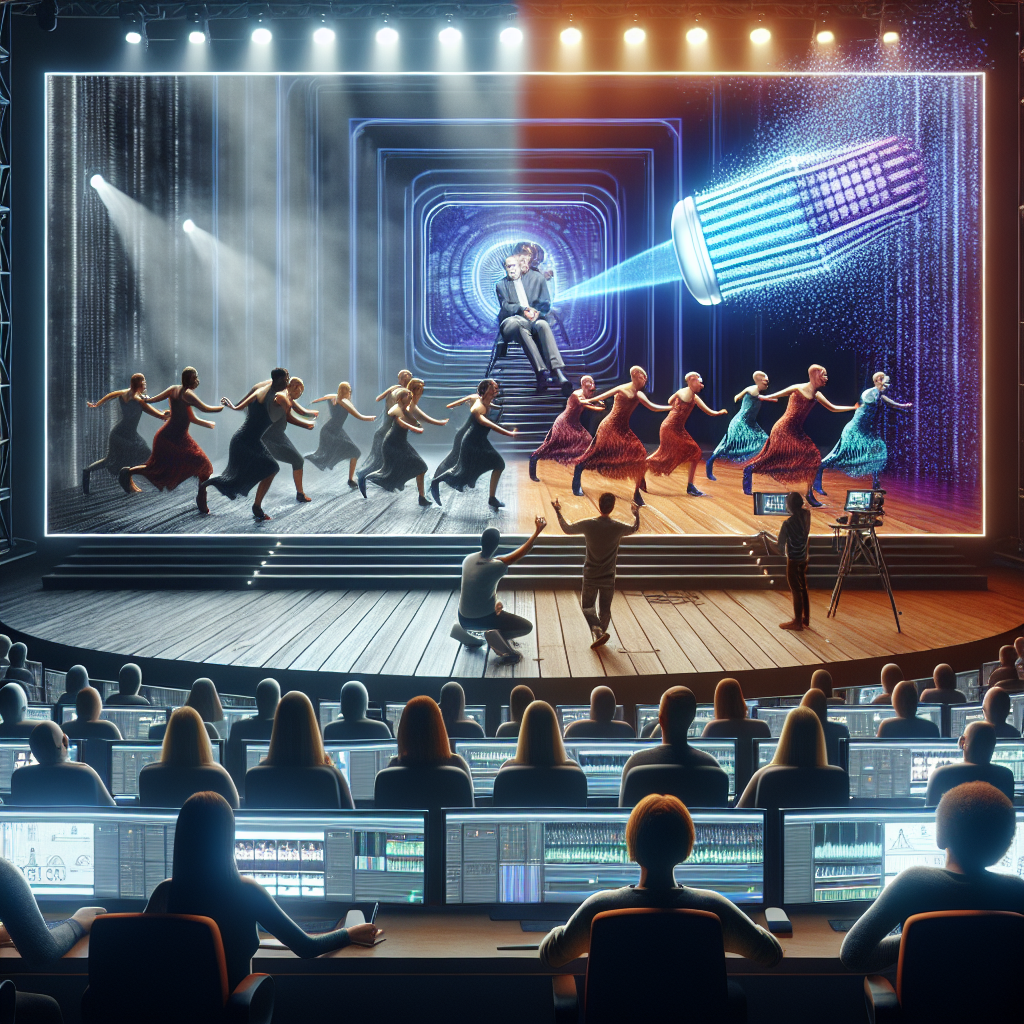
Artificial Intelligence (AI) is revolutionizing various industries, and the film industry is no exception. Advanced AI technologies are now being used in all stages of film production, especially in post-production, to alter performances, making movie magic more seamless. However, the integration of AI raises a host of ethical issues that warrant a closer examination.
Jump to Sections:
- Overview of AI in Post-Production
- Benefits of Using AI to Alter Performances
- Ethical Concerns in Using AI in Film
- Privacy and Consent
- Artistic Integrity and Authenticity
- Economic Implications
- Possible Solutions to Ethical Issues
- Future Trends in AI and FilmTech
Overview of AI in Post-Production
AI has come a long way from being a mere assistive tool to playing a pivotal role in the intricate processes of post-production. From enhancing visual effects to modifying actor performances and even generating realistic animations, AI is enabling filmmakers to push the boundaries of creativity.
Benefits of Using AI to Alter Performances
- Speed and Efficiency: AI-powered tools can significantly reduce the time spent on editing and post-production tasks.
- Cost-Effective: Reducing manual labor in post-production translates into lower costs.
- Enhanced Quality: AI can enhance image and sound quality, making the final product more compelling.
- Innovative Solutions: AI can offer creative solutions that were previously unimaginable, such as de-aging actors or creating entirely new scenes from existing footage.
Ethical Concerns in Using AI in Film
While the advantages of AI in film post-production are undeniable, these advancements bring along significant ethical issues.
Privacy and Consent
One of the most pressing issues is the question of privacy and consent:
- Actor’s Permission: Actors may not always consent to alterations in their performances, raising legal concerns.
- Misuse Risk: There’s a risk of misuse, where AI can be used to create deepfakes or alter performances in misleading ways.
- Intellectual Property: Who holds the rights to the altered performance—the actor or the production company?
Artistic Integrity and Authenticity
- Loss of Authenticity: AI alterations can lead to a loss of an actor’s authentic performance, which can be a disservice to the craft of acting.
- Creative Control: Directors and actors may lose creative control over how performances are presented.
Economic Implications
- Job Displacement: Automation can lead to job losses in roles traditionally handled by humans, such as editors and visual effects artists.
- Industry Changes: The economic structure of the film industry may undergo significant changes, affecting wages and employment opportunities.
Possible Solutions to Ethical Issues
Addressing these ethical challenges requires a multifaceted approach:
- Regulation: Implementing regulatory frameworks that ensure ethical use of AI in film production.
- Transparency: Filmmakers should be transparent about the extent of AI use in their productions.
- Consent: Actors should have the right to give or withhold consent for modifications to their performances.
- Ethical Guidelines: Establishing industry-wide ethical guidelines for the use of AI in film.
Future Trends in AI and FilmTech
Looking forward, the role of AI in the film industry is likely to expand. Here are some trends to watch for:
- Enhanced Collaboration: AI will facilitate greater collaboration between different stakeholders in the filmmaking process.
- More Sophisticated Tools: Advances in AI will lead to more sophisticated tools that offer even more creative possibilities.
- Greater Personalization: AI will enable personalized viewing experiences, tailoring content to individual preferences.
- Ethical AI: Focus will increasingly shift towards developing AI systems that adhere to ethical guidelines and practices.
The use of AI in altering performances in post-production is a powerful technological advancement that brings numerous benefits but also poses significant ethical challenges. By addressing these ethical issues proactively, the film industry can harness the full potential of AI while safeguarding the integrity and authenticity of filmmaking.