“`html
In an era where technology is rapidly transforming every industry, filmmaking stands as a fascinating intersection of art and science. At the heart of this intersection is the burgeoning field of artificial intelligence (AI). Many are curious about the potential of AI in the realm of cinema: can it replicate the human touch that has long been at the core of filmmaking? This article delves into the complex role AI might play in the future of movies, examining whether technology can truly emulate the creative nuances that humans bring to the silver screen.
What is the Current Role of AI in Filmmaking?
Today’s film industry is already witnessing the integration of AI in multiple facets. **AI algorithms** assist in scripting, editing, and even directing. For instance:
- **Script Analysis:** AI software can analyze scripts for pacing and structure, identifying potential plot holes or inconsistencies.
- **Visual Effects:** Using machine learning, filmmakers can create stunning visual effects more efficiently.
- **Predictive Analytics:** AI can predict audience preferences, guiding decisions on casting, genre, and release timing.
The Benefits of AI in Filmmaking
As AI technology advances, it brings several benefits to the filmmaking process:
- **Efficiency Improvements:** Automating repetitive tasks reduces production time and costs.
- **Enhanced Creativity:** AI tools can enhance creative processes by suggesting fresh ideas that may not occur to human creators.
- **Data-Driven Decisions:** The ability to analyze vast amounts of data helps filmmakers make informed, effective decisions.
Can AI Emulate Human Creativity?
One of the most debated aspects is whether AI can truly mimic **human creativity**. While AI can generate plots and characters, its **ability to understand nuanced emotions and cultural contexts** remains limited.
**Creativity** involves more than just coming up with new ideas—it’s about understanding and interpreting human experiences. Currently, AI lacks the emotional depth and experiential understanding that humans bring to storytelling.
Real-World Examples of AI in Entertainment
Several projects illustrate the practical applications of AI in filmmaking:
- **”Zone Out” (2020):** A short film written using AI, showcasing its potential in scriptwriting.
- **Deepfake Technology:** Used in movies to recreate actors or modify scenes post-production.
- **AI-Powered Casting Platforms:** Matching actors to roles based on data analysis.
Potential Limitations and Challenges
Despite the promise of AI, there are notable limitations and challenges:
- **Ethical Concerns:** The use of AI, especially deepfakes, raises questions about consent and authenticity.
- **Loss of Jobs:** Automation may impact employment, especially for roles traditionally performed by humans.
- **Quality Control:** The reliance on AI might lead to formulaic productions, lacking the spark of innovation.
The Future of AI in Cinema
Looking ahead, AI could redefine cinema in unimaginable ways. Here are a few possibilities:
- **Interactive Storytelling:** With AI, filmmakers might create interactive narratives that change based on viewer input.
- **Personalized Content:** AI has the potential to generate content tailored to individual tastes and preferences.
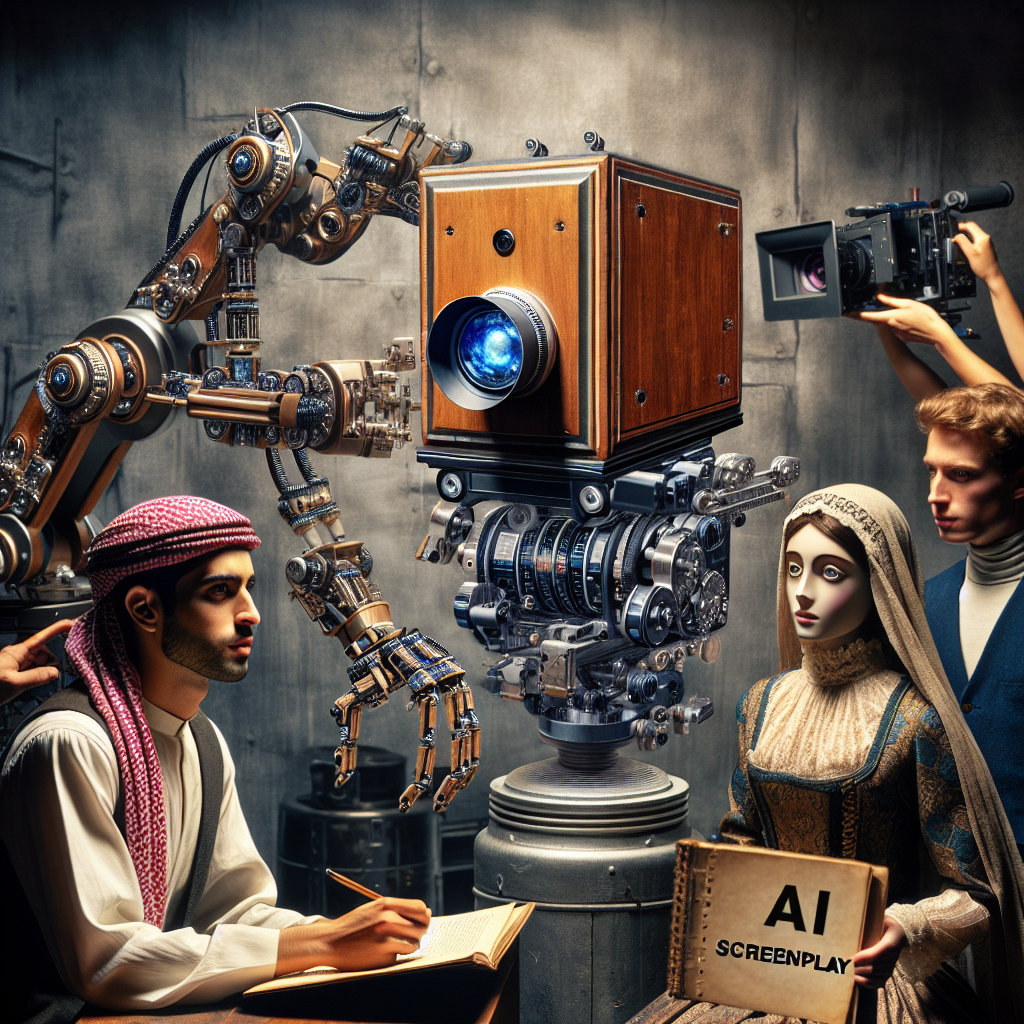
- **Collaboration with Humans:** Rather than replacing humans, AI may serve as a creative ally, enhancing human creativity and expanding storytelling possibilities.
Conclusion
While AI brings exciting possibilities to filmmaking, the **human touch remains irreplaceable** in crafting stories that resonate on an emotional and cultural level. The future will likely see AI and human creators working hand-in-hand, blending technology and artistry to unlock new dimensions of creativity.
“`