
“`html
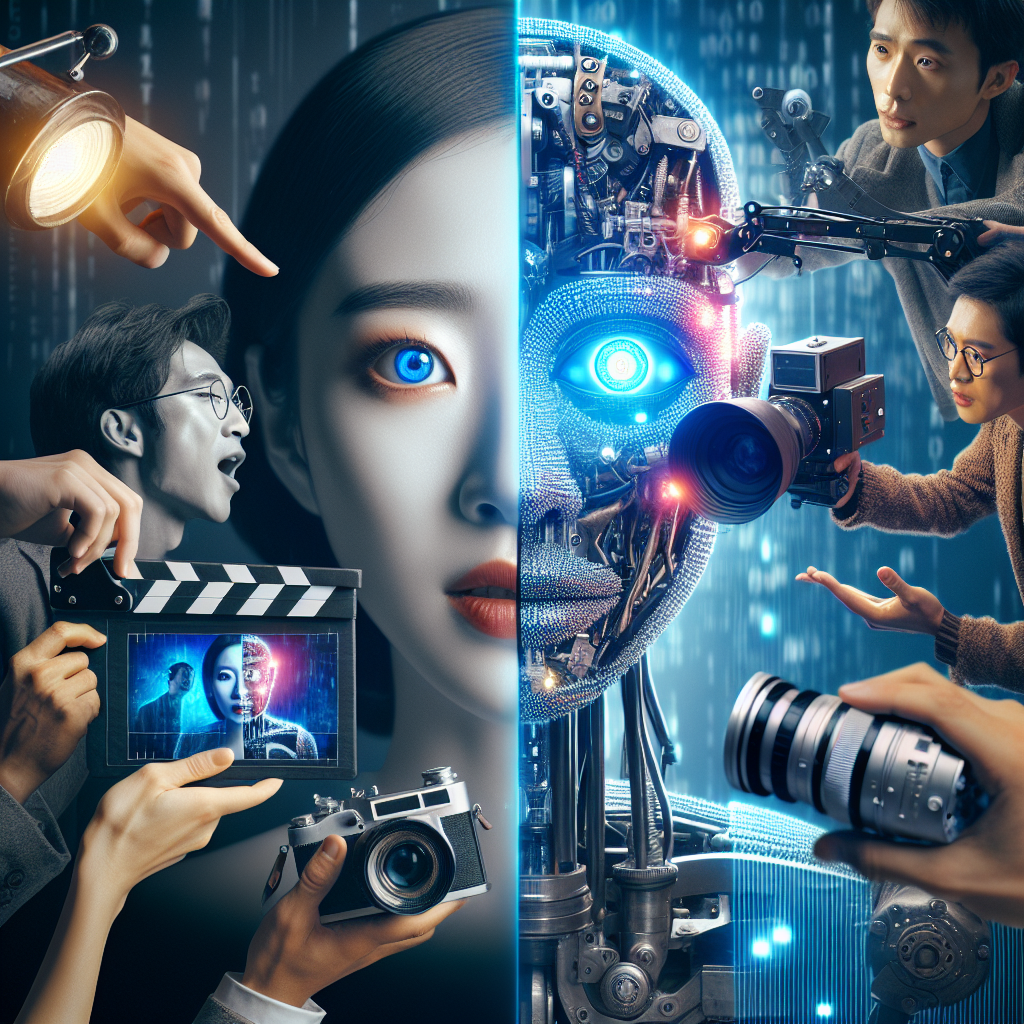
In the rapidly evolving landscape of filmmaking, the question of whether artificial intelligence (AI) could outdo humans in capturing genuine emotion has become a hot topic of debate. While AI has shown remarkable progress in various creative fields, filmmaking poses unique challenges that revolve around capturing the depth and nuances of human emotion. This fascinating intersection of AI, film technology, and the timeless art of storytelling invites a closer examination of who is better suited to capture emotion on screen: AI or humans.
Introduction
The art of filmmaking is deeply rooted in the portrayal of human emotions, which resonates powerfully with audiences worldwide. While skilled filmmakers have honed the craft of evoking emotions through nuanced storytelling and cinematic techniques, AI has emerged as a potential game-changer. With advancements in machine learning and deep neural networks, AI now poses a promising yet controversial prospect of replicating and even enhancing emotional storytelling in cinema.
The Human Touch in Filmmaking
Human filmmakers possess the unique ability to draw from their personal experiences and emotional intelligence to depict complex emotions authentically. Some of the key aspects of human strength in filmmaking include:
- Emotional Resonance: Human filmmakers intuitively understand the subtle interplay of facial expressions, body language, and dialogue that convey emotions.
- Cultural Context: A deep understanding of cultural nuances enables filmmakers to create stories that resonate with diverse audiences.
- Empathy and Creativity: The human brain’s ability to empathize allows filmmakers to craft stories that touch the heart, often using creative metaphors and symbolism.
AI Capabilities in Capturing Emotion
AI, with its ability to process vast data sets and recognize patterns, offers intriguing possibilities in filmmaking, particularly in capturing and generating emotion. Here are some areas where AI is making inroads:
- Data-Driven Insights: AI can analyze extensive audience feedback and social media trends to predict emotional triggers that engage viewers.
- Facial Recognition Technology: AI applications can decipher micro-expressions and emotional responses, potentially guiding actors to enhance their performance.
- Automated Editing and Scoring: AI algorithms can assist in selecting the best scenes and music to evoke specific emotions, optimizing the overall emotional impact.
Comparative Analysis: AI vs. Human Filmmakers
When weighing the strengths of AI and human filmmakers in capturing emotion, several factors come into play:
- Creativity vs. Data Analysis: While AI excels at analyzing data for trends, humans bring creativity and unpredictability to storytelling.
- Empathy: Humans possess a natural ability for empathy, whereas AI lacks genuine emotional understanding.
- Efficiency: **AI can process and edit films at a much faster pace, potentially reducing production time.
Noteworthy Case Studies
Several groundbreaking projects have explored the fusion of AI and human collaboration in filmmaking:
- Sunspring: An AI-written short film that sparked conversation about AI’s role in scripting.
- AI Director: Recent experiments where AI assisted directors in pre-production planning and shot composition.
The Future of Emotion in Filmmaking
As AI continues to evolve, its role in capturing emotion in filmmaking will likely expand. However, the essential human element of empathy and creativity remains irreplaceable. The future might see a symbiotic relationship where AI tools enhance human creativity, enabling filmmakers to push the boundaries of emotional storytelling while maintaining the authenticity that only human touch can provide.
The ongoing dialogue between AI and human influence in filmmaking ensures that this dynamic field will continue to innovate, captivate, and inspire audiences worldwide.
“`