
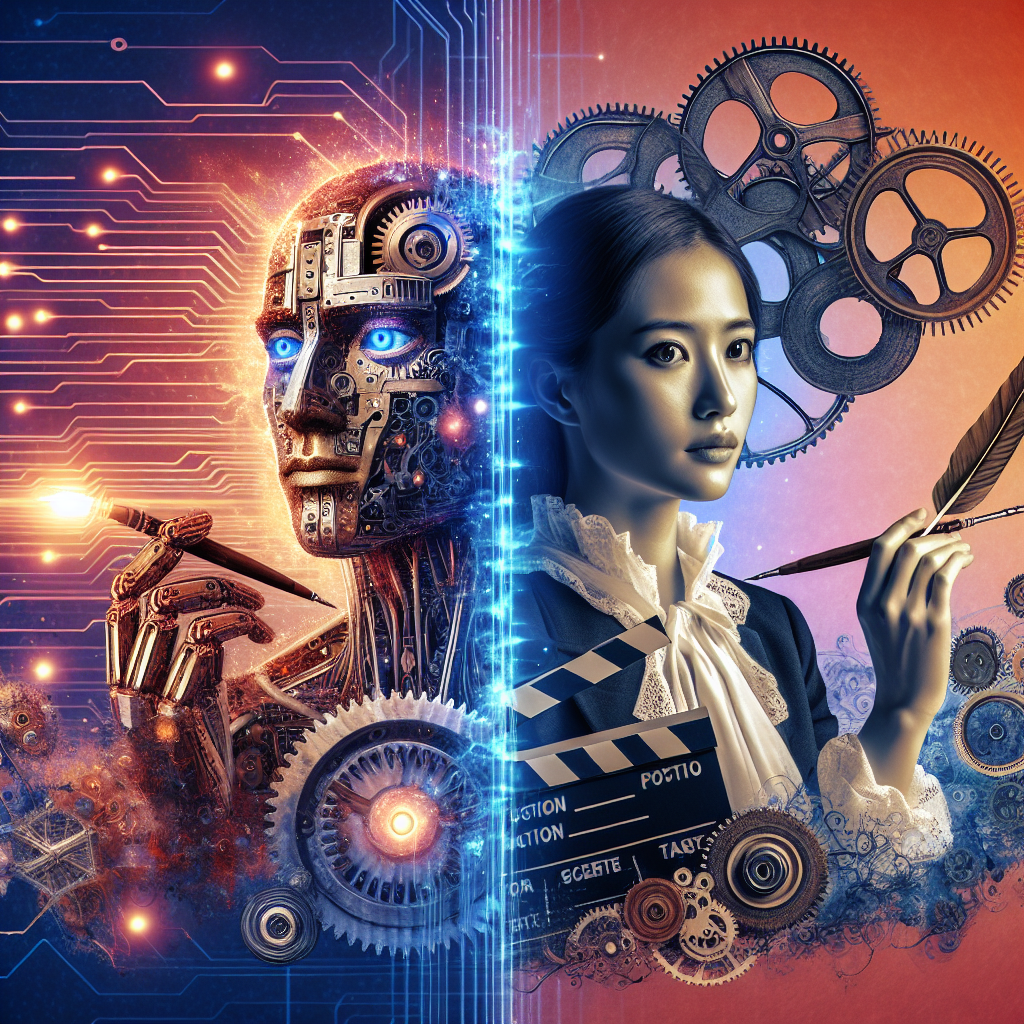
In the evolving landscape of cinema, the timeless art of storytelling is being increasingly transformed by artificial intelligence (AI). While human storytellers have long been the heart of filmmaking, AI offers innovative tools that can produce unique and compelling narratives. This article delves into the fascinating debate of AI vs. human storytelling in cinema, exploring how each brings distinct strengths to the table and what the future holds for this dynamic intersection of technology and creativity.
Article Outline
- Introduction
- The Essence of Human Storytelling
- The Rise of AI in Storytelling
- AI vs. Human Storytelling: A Comparative Analysis
- The Future: AI and Human Collaboration
- Conclusion
Introduction
Storytelling is an ancient art that has captivated audiences throughout history. With the advent of artificial intelligence, the way we create and consume stories is undergoing a significant transformation. While human storytellers infuse narratives with emotion, cultural context, and personal experiences, AI offers data-driven insights, lightning-fast processing, and unparalleled creativity through pattern recognition. This article explores the intricate balance between AI and human storytelling, examining their individual roles in crafting engaging narratives in cinema.
The Essence of Human Storytelling
Human storytelling is rooted in centuries of tradition, culture, and personal expression. Here’s what makes human storytelling unique:
- Emotional Depth: Human storytellers draw from their own emotions and experiences, creating narratives that resonate deeply with audiences.
- Cultural Context: Human storytellers integrate cultural nuances, idioms, and values, ensuring stories are relevant and meaningful to specific audiences.
- Improvisation and Adaptability: The ability to improvise and adapt stories based on audience reactions is a key strength of human storytellers.
- Creative Intuition: Human storytellers often rely on gut feeling and creative intuition to craft engaging and unpredictable narratives.
The Rise of AI in Storytelling
AI is revolutionizing the way stories are created and consumed in the cinema. Here are some of the significant contributions of AI to storytelling:
- Pattern Recognition: AI algorithms analyze vast amounts of data to identify successful narrative patterns and predict audience preferences.
- Speed and Efficiency: AI can generate scripts, storyboards, and character profiles in a fraction of the time it takes a human writer.
- Personalization: AI’s ability to personalize content based on viewer data ensures that stories can be tailored to individual tastes and preferences.
- Innovation: AI can combine elements from various genres and styles, creating innovative and unique narratives that human storytellers might overlook.
AI vs. Human Storytelling: A Comparative Analysis
While both AI and human storytelling have their own strengths, understanding their differences can help us appreciate how each contributes to the art of filmmaking:
- Creativity: Human storytellers bring a level of creativity and unpredictability that AI is yet to fully replicate. AI, on the other hand, excels in generating diverse ideas by combining different data sets.
- Consistency: AI can ensure consistency in storytelling, avoiding plot holes or character inconsistencies that human writers might miss due to oversight or bias.
- Emotion: Human narratives are often more emotionally engaging, as they are crafted with a deep understanding of the human experience.
- Data-Driven Insights: AI leverages big data to cater stories to current trends and audience behavior, potentially increasing a film’s commercial success.
The Future: AI and Human Collaboration
The future of storytelling in cinema lies in the collaboration between AI and human storytellers. Such collaborations can harness the strengths of both to create narratives that are not only technically proficient but also emotionally resonant and culturally relevant.
- Hybrid Storytelling: Combining human intuition with AI-generated data can result in stories that are both innovative and familiar.
- Efficiency and Creativity: AI can handle the more mundane aspects of storytelling (e.g., background research, structural organization), allowing human writers to focus on creative expression.
- Real-Time Adaptation: AI can provide real-time feedback on audience reactions, enabling filmmakers to make real-time adjustments to improve engagement.
Conclusion
As we move forward, the blend of AI and human storytelling will likely become the norm in the cinema industry. While AI brings efficiency, data-driven insights, and innovative combinations, human storytellers ensure that narratives remain rich in emotional depth and cultural context. The future of cinema lies in leveraging both AI and human creativity to craft stories that captivate and resonate with audiences worldwide.
In this evolving landscape, the debate between AI and human storytelling is not about replacing one with the other but about finding a harmonious balance that elevates the art of storytelling to new heights.