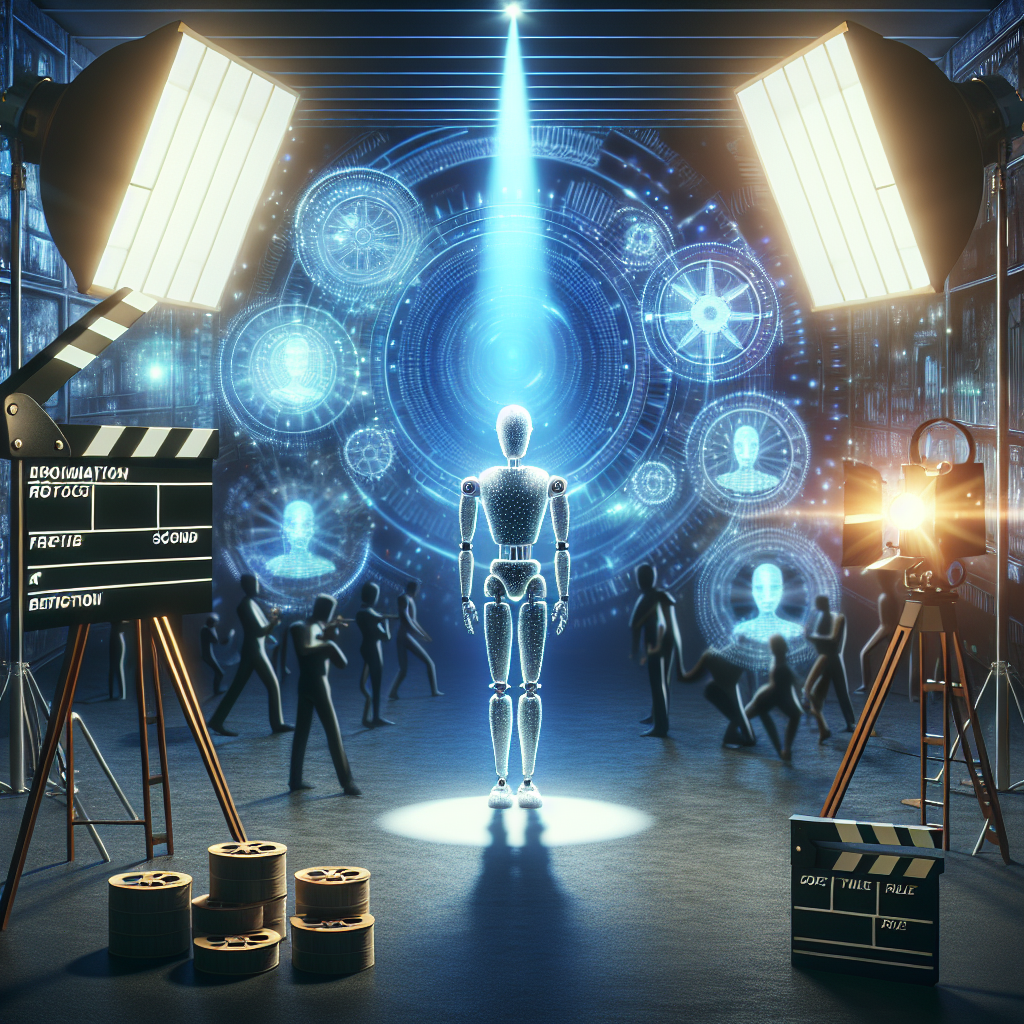
In recent years, **artificial intelligence (AI)** has begun to revolutionize a range of industries, and the film industry is no exception. One of the most intriguing developments in this space is the emergence of **AI-powered virtual actors**. These digital performers promise to rewrite the rules of film casting, offering filmmakers unprecedented flexibility and creativity. But how exactly do these virtual actors work, and what implications do they hold for the future of cinema? Let’s dive into the fascinating world of AI in film.
What are AI-Powered Virtual Actors?
AI-powered virtual actors are **digital representations** created and driven by sophisticated algorithms. They are essentially computer-generated characters that can mimic human expressions, emotions, and movements, built to perform in films alongside or instead of live actors.
- **Digital Creation**: These actors are engineered using various AI techniques such as **machine learning** and **deep neural networks**.
- **Facial and Motion Capture**: Many of these virtual actors are based on real actors, using facial and motion capture to generate realistic movements.
- **Voice Synthesis**: AI can also generate **synthetic voices** that match the visual characteristics of the virtual actor.
Advantages of AI-Powered Virtual Actors
The integration of AI actors into the film industry brings numerous benefits:
- **Cost-Effectiveness**: Virtual actors can reduce costs associated with hiring and managing human talent.
- **Consistency and Availability**: Digital actors do not age, need breaks, or have scheduling conflicts, ensuring a consistent presence and performance.
- **Creative Flexibility**: Directors can push creative boundaries by designing characters that might be impossible or impractical with human actors.
- **Safety**: Virtual actors can perform stunts or scenes that might be too dangerous for live actors.
Challenges and Ethical Considerations
While the advantages are appealing, there are also notable challenges and ethical considerations:
- **Hyper-Realism**: Achieving hyper-realistic digital performances requires heavy computational resources and expertise.
- **Employment Concerns**: The widespread use of virtual actors could impact job opportunities for human actors.
- **Ethical Issues**: There are moral dilemmas surrounding privacy and consent, particularly when based on real people who may have passed away.
- **Legal Considerations**: Intellectual property and rights management become more complex with digital actors.
The Future of Film Casting with AI
The future of film casting in a world populated by AI-powered virtual actors is notably promising yet complex. Here are some potential developments:
- **Increased Use**: We can expect an increase in the deployment of virtual actors in various genres, from major blockbusters to independent films.
- **Technology Improvements**: Advances in AI and machine learning will continue to improve the quality and realism of digital performances.
- **Evolving Regulations**: As the presence of virtual actors becomes more common, there will likely be new regulations and standards to guide their ethical use.
- **Blended Casting Strategies**: Directors might opt for a hybrid approach, integrating both human and virtual actors in innovative new ways.
As we look ahead, it’s clear that **AI-powered virtual actors** will play a significant role in the evolution of film, presenting exciting opportunities and challenges. As technology continues to evolve, filmmakers must navigate these changes thoughtfully, balancing innovation with tradition, and creativity with responsibility.