
“`html
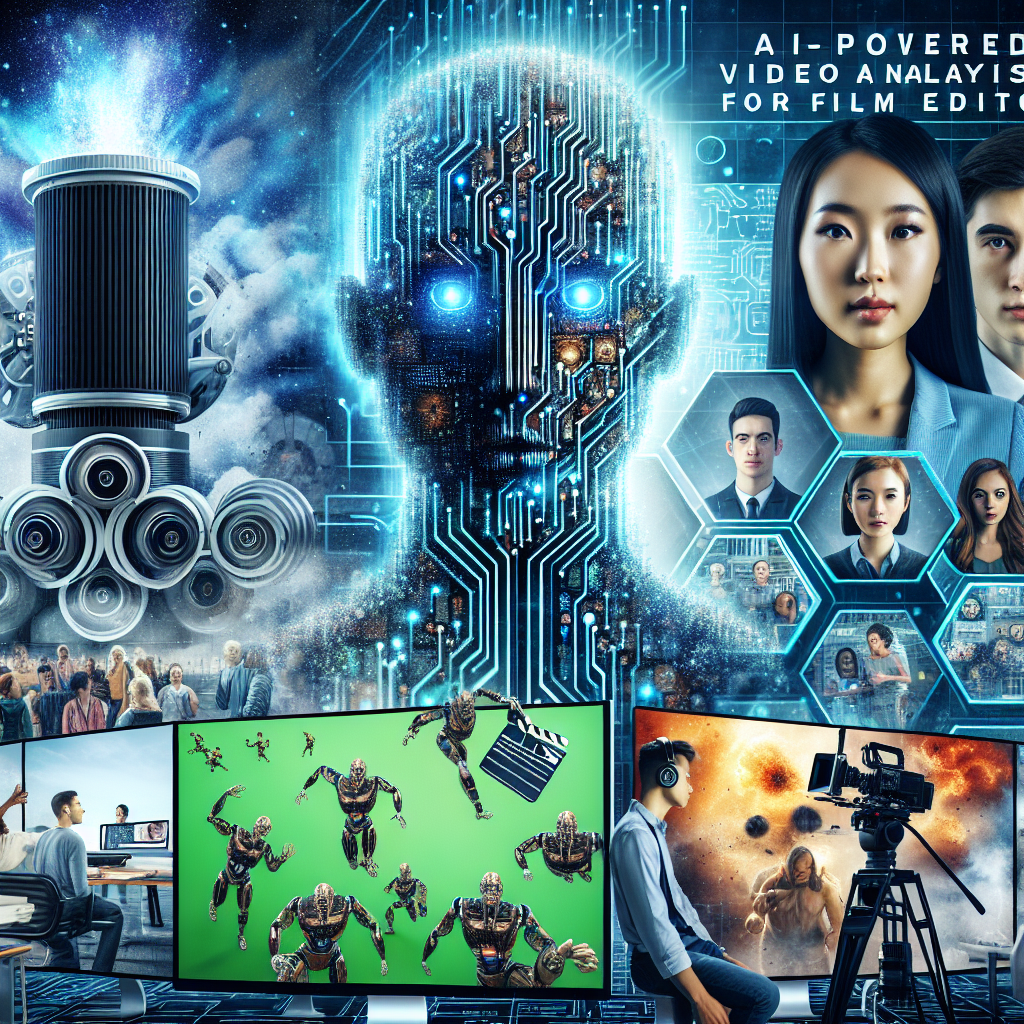
In the ever-evolving world of film production, video editing plays a crucial role in conveying emotion, story, and creativity. However, the post-production stage can be time-consuming and labor-intensive. Enter artificial intelligence (AI), which is revolutionizing the way film editors approach video analytics. AI-powered video analytics offers an array of benefits to enhance the efficiency and creativity of the editing process. This article will delve into the potential of AI in video editing and explore its transformative impact on film production workflows.
Article Outline
- The Importance of Video Analytics in Film Editing
- How AI Enhances Video Analytics
- Key Benefits of AI-Powered Video Analytics for Film Editors
- Real-World Applications and Case Studies
- Challenges and Considerations
- The Future of AI in Film Editing
The Importance of Video Analytics in Film Editing
Video analytics is a powerful tool for film editors, providing insights that inform decision-making in the editing room. By analyzing visual data, editors can better understand viewer engagement, identify patterns in footage, and improve storytelling. Video analytics becomes even more crucial in large-scale productions where managing extensive footage is a significant challenge.
How AI Enhances Video Analytics
AI technology, including machine learning and computer vision, elevates video analytics by automating processes and uncovering deeper insights. Here’s how AI transforms video analytics:
- Scene Detection: AI can automatically identify and categorize various scenes, making it easier for editors to navigate through hours of footage.
- Emotion and Sentiment Analysis: Advanced algorithms detect emotional cues in actors’ performances, aiding editors in selecting the most impactful shots.
- Object and Face Recognition: Intelligent recognition systems streamline the identification of specific objects or characters, facilitating efficient footage organization.
Key Benefits of AI-Powered Video Analytics for Film Editors
- Improved Efficiency: AI reduces the time spent on monotonous editing tasks, allowing editors to focus on creativity and storytelling.
- Enhanced Creativity: By automating technical aspects, editors can explore more creative possibilities and experiment with new editing styles.
- Data-Driven Insights: With AI, editors gain access to data-driven insights that inform narrative decisions, ensuring a more engaging final product.
Real-World Applications and Case Studies
Various film studios and production companies have already begun to integrate AI-powered video analytics into their workflows:
- Warner Bros: Known for using machine learning to predict audience preferences and improve trailer creation.
- Netflix: Implements AI to curate personalized content and optimize viewer engagement through data analytics.
Challenges and Considerations
Despite its advantages, AI-powered video analytics is not without challenges. Film editors must be aware of:
- Data Privacy: Protecting sensitive information and maintaining ethical standards in AI applications.
- Reliability of AI Algorithms: Ensuring AI algorithms produce accurate results and understanding their limitations.
The Future of AI in Film Editing
The future of AI in film editing looks promising, with continued advancements in technology anticipated to further streamline the editing process. As AI systems become more sophisticated, they will enable film editors to unleash unprecedented levels of creativity and storytelling prowess. The collaboration between human creativity and AI-driven data analytics will undoubtedly reshape the landscape of film production.
In conclusion, AI-powered video analytics is set to revolutionize film editing by offering enhanced efficiency, creativity, and insights. As we embrace this technology, exploring its full potential can lead to the creation of more compelling and engaging cinematic experiences.
“`