
body {
font-family: Arial, sans-serif;
line-height: 1.6;
padding: 20px;
}
h2 {
color: #333;
}
a {
color: #0066cc;
text-decoration: none;
}
a:hover {
text-decoration: underline;
}
.highlight {
font-weight: bold;
}
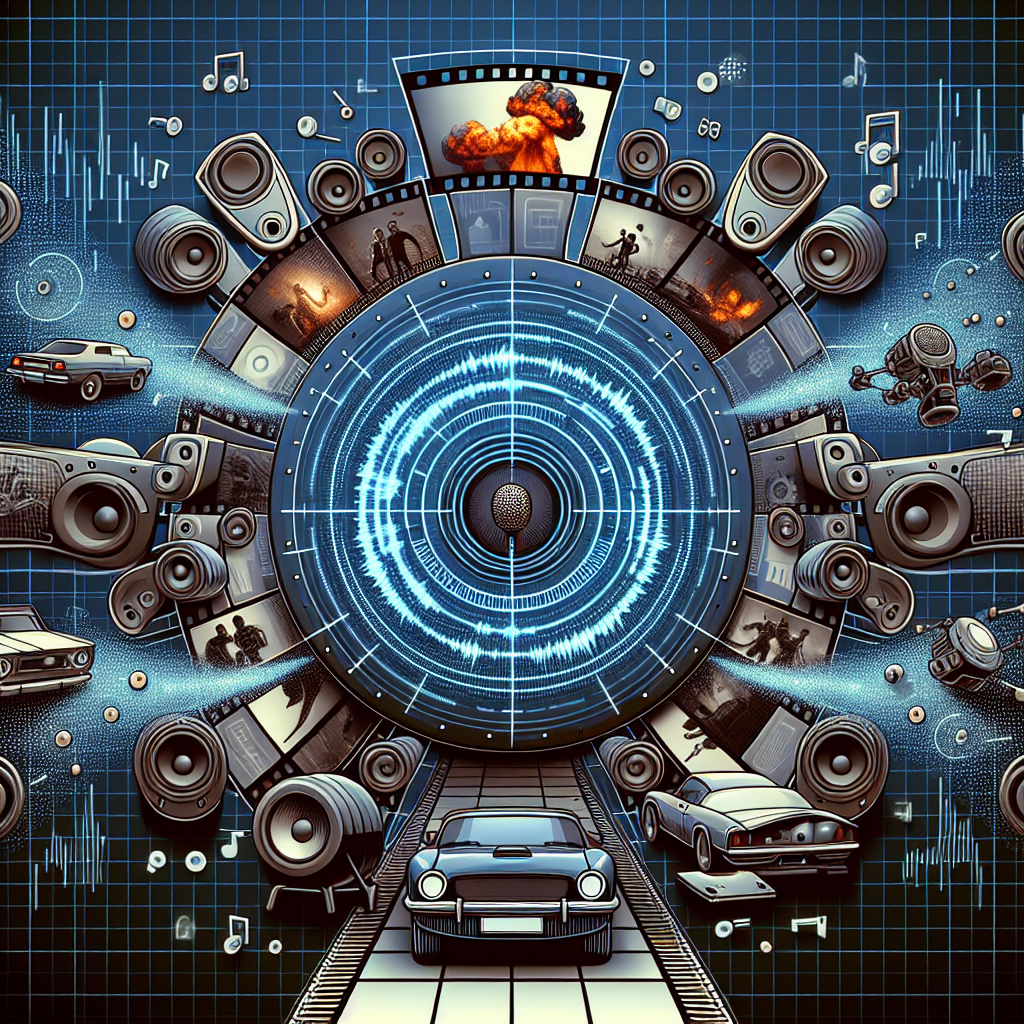
The landscape of film technology is continuously evolving, introducing new methods to enhance storytelling. Among these innovations, **AI-powered sound design** is making waves, particularly in **action scenes**. These scenes are crucial for engaging audiences, and with the advent of artificial intelligence, filmmakers are crafting experiences that are more immersive than ever before.
- Introduction
- Understanding AI Sound Design
- The Impact on Action Scenes
- Benefits of AI in Sound Design
- Challenges and Considerations
- Future of AI Sound Design in Film
Introduction
Sound design is a critical component in filmmaking, especially for action sequences where audio dynamics significantly affect the audience’s experience. Traditionally, this involved meticulous manual efforts. However, the integration of **artificial intelligence** has streamlined processes, enabling sound designers to achieve unprecedented levels of creativity and precision.
Understanding AI Sound Design
**AI sound design** involves using machine learning algorithms to analyze and generate audio components. These algorithms can understand the nuances of sound patterns and modify them to suit specific thematic requirements. By using AI, filmmakers can:
- Automatically sync sound effects with visual elements
- Enhance audio clarity and fidelity
- Create dynamic soundscapes that evolve with the scene
The Impact on Action Scenes
In **action movies**, sound design is paramount. The roar of engines, the crash of debris, and the subtleties of ambient sounds create a high-stakes atmosphere. AI has transformed this by:
- **Improving Realism**: AI enhances the authenticity of sound effects, making explosions and chases more convincing.
- **Enhancing Emotional Impact**: By crafting fine-tuned audio, AI amplifies the emotional weight of a scene, keeping audiences at the edge of their seats.
- **Time Efficiency**: Automated processes reduce the time needed for sound design, allowing for quicker production cycles.
Benefits of AI in Sound Design
The application of AI in movie soundtracks offers numerous benefits:
- **Cost Efficiency**: AI reduces the dependency on human resources, lowering production costs.
- **Consistency**: Ensures audio consistency across different scenes and environments.
- **Innovative Creativity**: Opens new avenues for sound designers to experiment and innovate without constraints.
Challenges and Considerations
Despite its advantages, AI sound design faces several challenges:
- **Technical Limitations**: Current AI systems may lack the nuanced understanding of human creativity.
- **Ethical Concerns**: There’s ongoing debate about the potential loss of jobs for traditional sound designers.
- **Dependence on Technology**: Over-reliance on AI could lead to reduced emphasis on manual craft skills.
Future of AI Sound Design in Film
As technology continues to advance, the role of **AI in sound design** is expected to grow. Future trends may include:
- **Adaptable Soundtracks**: Personalized audio experiences based on viewer preferences.
- **Real-Time Sound Adjustment**: Interactive sound design that adapts to audience reactions in real-time.
- **Improved Integration**: Seamless blending of AI sound tools with traditional methods to enhance overall sound quality.
In conclusion, the transformation brought by **AI-powered sound design** is revolutionizing how action scenes are experienced in movies. As we look towards the future, this technology promises to redefine cinematic experiences, making them more captivating and immersive than ever before.