
“`html
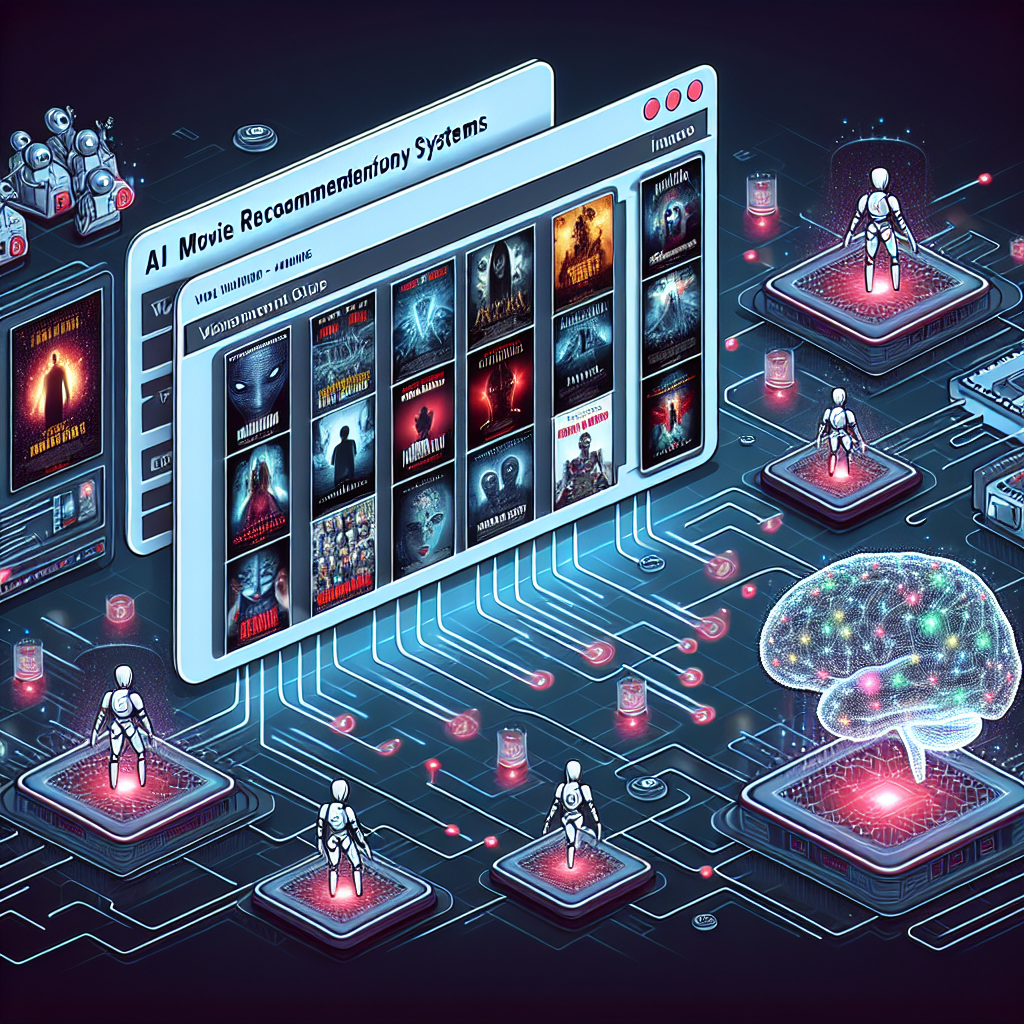
In today’s fast-paced digital age, finding the perfect movie to watch can be overwhelming, given the abundance of options available across various streaming platforms. This is where AI-powered movie recommendation systems come into play. These intelligent systems simplify the movie selection process by analyzing user preferences and behaviors to suggest tailored movie choices. In this article, we’ll delve into the mechanics behind AI movie recommendation systems, exploring how they work and the technology driving them.
How AI Movie Recommendation Systems Work
AI movie recommendation systems operate by leveraging advanced machine learning algorithms to predict user preferences based on their past interactions. **Machine learning** models are designed to identify patterns and trends in a user’s viewing history, enabling them to suggest movies that align with individual tastes. These systems continuously refine their recommendations as they gain more data, creating an ever-evolving suggestion engine.
Types of Movie Recommendation Algorithms
Recommendation algorithms play a crucial role in AI systems, with two primary types dominating the landscape: content-based filtering and collaborative filtering. Each approach offers unique insights and advantages:
Content-Based Filtering
Content-based filtering algorithms focus on the characteristics and metadata of movies. This option analyzes elements like genre, director, cast, and plot to recommend films. The primary advantages of content-based filtering include:
- **Personalization:** Provides recommendations based on an individual’s past choices, ensuring tailored suggestions.
- **Immediate Response:** Quickly generates recommendations for new users due to reliance on movie data rather than user data.
- **Diversity:** Encourages exploration of similar movies, broadening viewer horizons.
Collaborative Filtering
This method predicts a user’s preferences based on the collective behavior of similar users. Collaborative filtering harnesses the power of crowd opinions, resulting in recommendations that have been popular or well-rated by peers. Its main features include:
- **Popularity-Driven:** Recommends trending movies based on the viewing habits of a similar audience.
- **Wide Variety:** Offers broader suggestions by incorporating a diverse data set from numerous users.
- **Social Influence:** Taps into social proof, leveraging peer decisions to boost recommendation accuracy.
Hybrid Approaches in AI Recommendations
To overcome the limitations of individual methods, many platforms employ **hybrid recommendation systems** that integrate both content-based and collaborative filtering. This combination allows for optimized movie suggestions by balancing personalization with broader appeal. Hybrid systems typically feature:
- **Enhanced Accuracy:** By merging algorithms, they incorporate the strengths of both types to enhance prediction precision.
- **Greater Robustness:** Invulnerable to some weaknesses inherent in each method, offering a more consistent recommendation experience.
Advantages of AI Movie Recommendation Systems
AI movie recommendation systems offer numerous benefits to users and service providers:
- Personalized Viewing Experience: Cater to individual preferences, making movie discovery effortless and enjoyable.
- Increased Engagement: Keep viewers hooked by suggesting content that aligns with their tastes, boosting platform retention.
- Data-Driven Insights: Gather detailed analytics that inform marketing strategies and content creation.
Challenges and Limitations
Despite their efficacy, AI movie recommendation systems face several challenges:
- Data Privacy Concerns: Collecting and analyzing user data raises issues related to privacy that must be carefully managed.
- Cold Start Problem: New users lacking historical data pose challenges for recommendation accuracy.
- Potential Bias: Over-reliance on historical data can lead to reinforcement of existing biases, limiting diversity in suggestions.
Future of AI in Movie Recommendations
Looking ahead, the role of AI in movie recommendations is set to expand even further as technology advances:
- Improved Algorithms: Ongoing innovations in machine learning are set to enhance recommendation precision and reliability.
- Integration with Other Technologies: Combining AI with technologies like virtual reality (VR) and augmented reality (AR) for a more holistic media experience.
- Greater Personalization: Enhanced data analytics will offer increasingly customized movie-watching experiences, further aligning with viewer preferences.
As AI continues to evolve, the future of movie recommendation systems looks promising, providing both users and content providers with exciting opportunities to enhance the viewing experience.
“`