
“`html
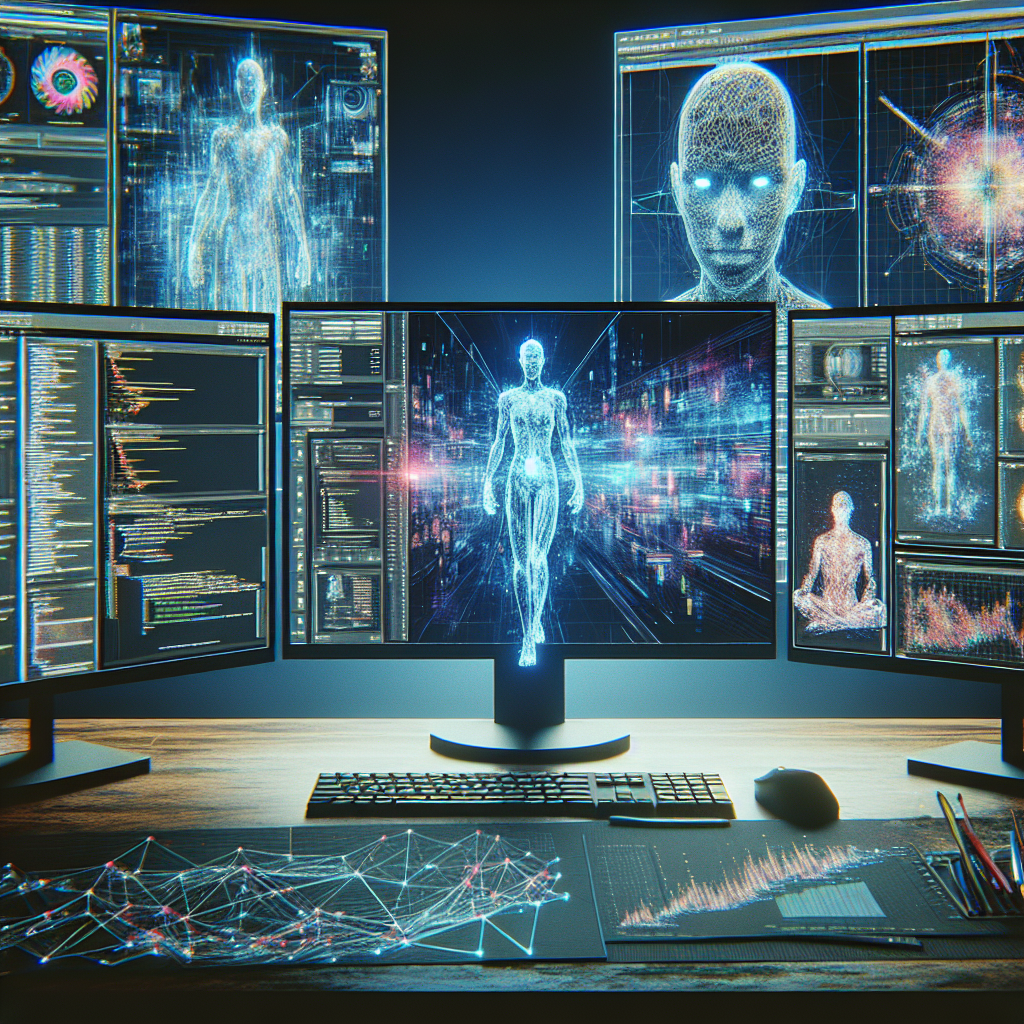
In the rapidly evolving landscape of modern cinema, the introduction of Artificial Intelligence (AI) has revolutionized the way filmmakers create and enhance visual effects (VFX). One of the most significant impacts of AI in the film industry has been its transformative role in **motion capture** for creating more lifelike and dynamic **CGI characters**. The integration of AI in VFX not only enhances the quality of motion capture data but also streamlines workflows, reduces costs, and ultimately enables the creation of visually stunning cinematic experiences.
Impact of AI on Motion Capture Technology
Motion capture technology has come a long way since its early inception. Traditionally, it required actors wearing suits embedded with multiple sensors and cameras in carefully designed environments. The introduction of AI fundamentally redefines this process by automating complex motion analysis and enhancement. AI-powered tools can capture human motion more precisely and interpret nuances that previously went unnoticed.
- **Deep Learning Algorithms**: These are used to analyze and process vast amounts of motion data, resulting in more realistic CGI character movement.
- **Image Recognition**: Advanced image recognition systems track motion without the need for cumbersome suits.
- **Data Optimization**: AI reduces the enormous datasets generated during motion capture into manageable sizes without losing quality, improving processing speed.
Advantages of AI-Enhanced Motion Capture
The incorporation of AI in VFX offers several advantages, paving the way for enhanced creativity and efficiency in the film industry:
- Cost-Effectiveness: AI reduces the need for expensive equipment and large teams required for traditional motion capture setups.
- Time Efficiency: AI accelerates the data processing phase, allowing for faster production timelines and the swift resolution of errors.
- Improved Realism: AI’s ability to synthesize human motion data captures even the slightest movements and expressions, producing CGI characters that are remarkably lifelike.
Challenges and Limitations
While AI in motion capture offers numerous advantages, it also presents some challenges that must be addressed:
- **Data Quality**: Ensuring high-quality, annotated data remains a critical concern for developers to train AI models effectively.
- **Ethical Considerations**: The increasing reliance on AI raises ethical questions, especially concerning data privacy and the accuracy of generated content.
- **Technology Dependency**: Over-reliance on AI systems can sometimes lead to disruptions if technical issues arise or if there’s a lack of skilled personnel to manage these sophisticated tools.
Future Trends in AI and VFX
As AI continues to evolve, it promises to bring about even more groundbreaking advancements in VFX and motion capture technology:
- **Hybrid Techniques**: The future may see a blend of AI-driven simulations and traditional methods to max out on realism and production efficiency.
- **AI-Driven Creativity**: AI could eventually contribute design ideas, augmenting human creativity with algorithmic insights.
- **Real-time Rendering**: Advancements may lead to real-time motion capture technology, allowing filmmakers to instantly see results and make informed decisions on set.
The film industry stands on the cusp of an exciting era where AI and VFX are intricately linked to improving cinematic storytelling. By embracing AI-enhanced motion capture technologies, filmmakers can create immersive, visually captivating worlds and characters that captivate audiences worldwide. As AI continues to reshape the fabric of motion capture, its potential in the world of VFX is only just beginning to unfold.
“`