
“`html
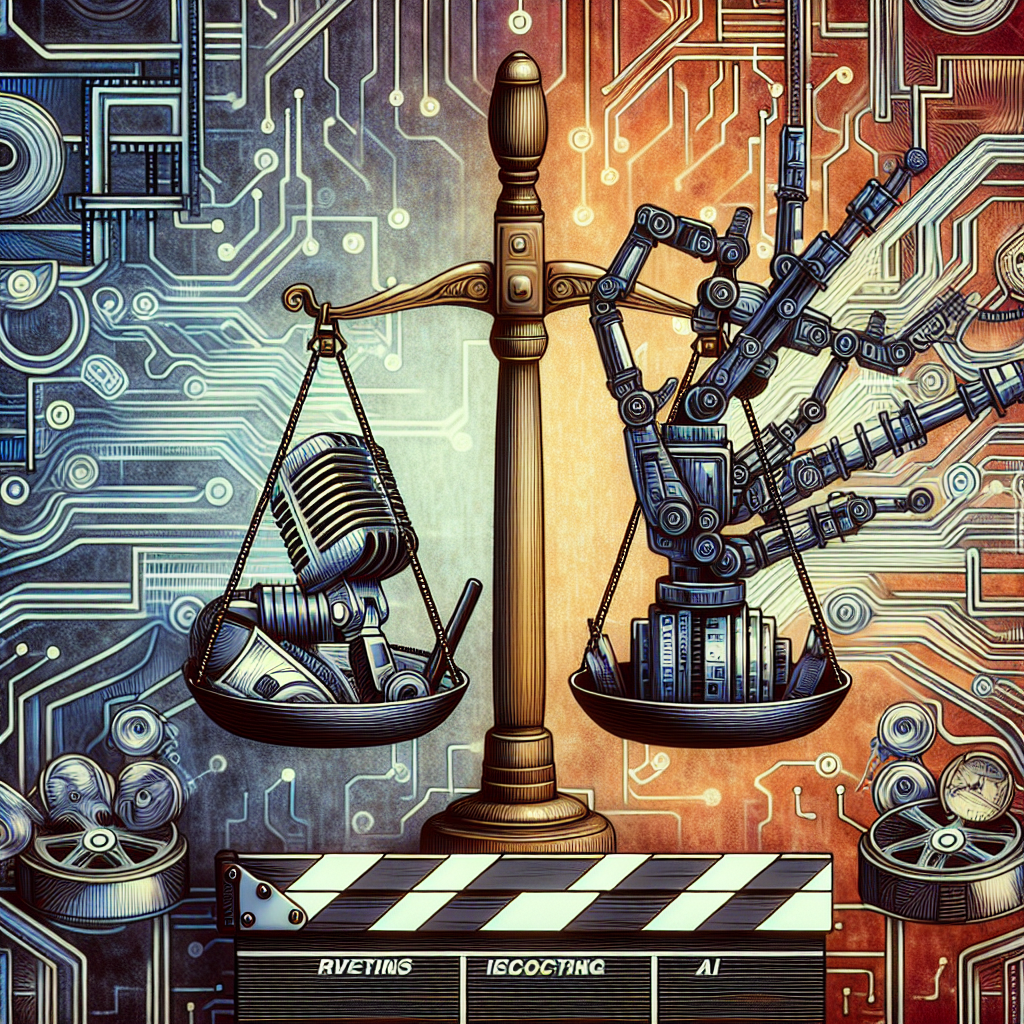
In recent years, the film industry has witnessed a paradigm shift driven by advancements in technology. One of the most transformative tools reshaping this landscape is Artificial Intelligence (AI). With its rapid integration into various facets of filmmaking, from scriptwriting to post-production, AI has sparked a debate: Is it a threat or an opportunity for jobs? This article delves into how AI is influencing the film industry, examining both the challenges and opportunities it presents for employment.
Overview of AI in the Film Industry
Artificial Intelligence has emerged as a powerful tool that is reshaping the film industry. From generating complex visual effects to enhancing storytelling through predictive analytics, AI is becoming an integral part of filmmaking. The industry is leveraging AI capabilities not only to save time and cut costs but also to push creative boundaries. This technological integration raises an important question—how will it affect the job market in this sector?
Applications of AI in Filmmaking
AI has found its way into several aspects of film production, facilitating innovative approaches to traditional processes:
- Scriptwriting and Story Development: AI algorithms can analyze story arcs and suggest improvements or even generate scripts based on specific parameters.
- Cast and Crew Management: AI tools streamline scheduling, budgeting, and resource allocation, optimizing the logistics of film productions.
- Visual Effects and Animation: Automated AI systems enhance VFX by simulating environments, characters, and complex animations with precision.
- Editing and Post-Production: Machine learning models assist editors by suggesting cuts and sequences and enhancing audio and video quality.
- Marketing and Audience Analysis: Predictive analytics offer insights into audience preferences, enabling targeted marketing strategies and content personalization.
Impact on Jobs
The growing use of AI in filmmaking has sparked diverse opinions concerning its impact on employment in the industry:
- Job Displacement Concerns: Automation may lead to reduced demand for certain roles, such as manual editing or production assistants.
- Job Transformation: While AI automates routine tasks, it also creates opportunities for roles that require human creativity and strategic oversight.
- Skill Development: The demand for AI experts and computer scientists in the film sector is on the rise, necessitating upskilling for existing professionals.
Challenges and Ethical Considerations
While AI brings innovation, it also poses several challenges and ethical questions:
- Creative Authenticity: The involvement of AI in creative processes stirs debates on the authenticity and originality of AI-generated content.
- Bias and Representation: AI systems can perpetuate biases, impacting representation in cinematic narratives and influencing portrayal accuracy.
- Data Privacy: The use of AI involves vast amounts of data, raising concerns about how this data is collected, stored, and utilized.
Future Prospects of AI in Film
The continued integration of AI promises significant advancements, opening new horizons for the film industry:
- Personalized Viewing Experiences: AI can tailor content recommendations for audiences based on viewing histories and preferences.
- Enhanced Storytelling: Innovative AI-driven tools will enable filmmakers to create immersive narratives through interactive and adaptive storytelling.
- Global Collaboration: AI can facilitate international collaboration by overcoming language barriers and streamlining communication across teams.
Conclusion
The advent of AI in the film industry presents both challenges and opportunities. While there are concerns about job displacement and ethical implications, AI also opens new avenues for creativity and efficiency. The industry is at a crossroads; embracing AI while addressing these concerns will be crucial for sustainable growth. Ultimately, the future of jobs in the film industry will likely involve a hybrid model where AI supports human creativity, enabling professionals to focus on innovation and storytelling.
“`