
body {
font-family: Arial, sans-serif;
line-height: 1.6;
margin: 15px;
}
ul, ol {
margin-left: 20px;
}
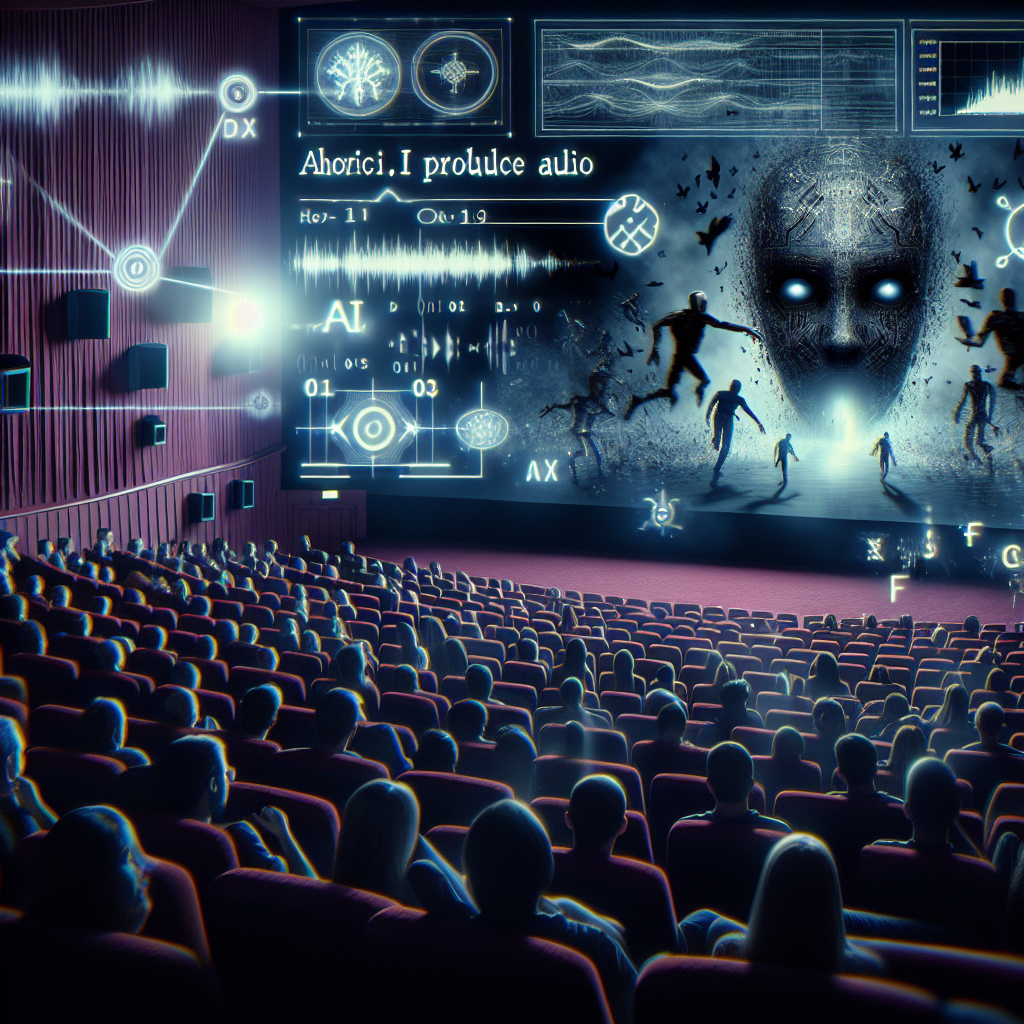
The integration of **Artificial Intelligence (AI)** in the film industry is revolutionizing various aspects of filmmaking, especially sound design. In horror films, sound design plays a critical role in creating the atmosphere, building tension, and delivering scares. **AI technologies** are significantly improving sound design by making it more nuanced and immersive, ultimately enhancing the overall horror film experience.
Article Outline
- Introduction to AI in Sound Design
- Role of Sound in Horror Films
- How AI is Transforming Sound Design
- Case Studies: Successful AI Integration
- Benefits of AI in Horror Film Sound Design
- Challenges and Considerations
- The Future of AI in Sound Design for Horror Films
Introduction to AI in Sound Design
Artificial Intelligence has rapidly become a transformative tool in the film industry. Its application in sound design, especially within the **horror genre**, opens new possibilities for enhancing the auditory experience. By leveraging machine learning algorithms and intelligent audio processing, AI can create dynamic, responsive soundscapes that significantly enhance the emotional impact and realism of horror films.
Role of Sound in Horror Films
The importance of sound in horror films cannot be overstated. Sound design encompasses:
- Atmospheric Sounds: Creating an eerie background that sets the mood.
- Jump Scares: Sudden sounds that startle the audience.
- Character Sounds: Footsteps, breathing, and other sounds that add to the realism.
- Ambient Noise: Environmental sounds that make scenes more immersive.
These elements combine to manipulate the viewer’s emotions, evoke fear, and enhance the storytelling.
How AI is Transforming Sound Design
AI introduces several innovative techniques to sound design that are particularly beneficial for horror films:
- Automated Sound Generation: AI can generate intricate sound patterns that adapt to the film’s pace and tone.
- Sound Analysis and Enhancement: Machine learning algorithms can analyze existing soundtracks and suggest enhancements or modifications to improve emotional impact.
- Real-time Sound Adaptation: AI can dynamically adjust sound effects based on the scene’s content and audience reaction.
- Pattern Recognition: Identifying successful sound patterns from past horror films for improved future application.
These innovations lead to richer, more immersive soundscapes that significantly elevate the horror film atmosphere.
Case Studies: Successful AI Integration
Several horror films have successfully integrated AI in their sound design process. Notable examples include:
- “A Quiet Place (2018): Leveraged AI to create a unique sound environment critical to the film’s tension.
- “Hereditary (2018): Utilized AI tools to enhance subtle sound cues that build a sense of unease.
These films exemplify how AI can be used to create unsettling, memorable auditory experiences.
Benefits of AI in Horror Film Sound Design
The use of AI in sound design offers several benefits:
- Efficiency: AI can automate tedious aspects of sound design, allowing sound designers to focus on creative tasks.
- Consistency: AI ensures consistent sound quality throughout the film.
- Innovation: AI’s ability to generate and adapt sounds leads to innovative soundscapes.
- Cost-Effective: Reducing the need for extensive reshooting or re-recording.
Challenges and Considerations
Despite the benefits, there are challenges to consider:
- Over-reliance on Technology: Risk of diminishing the human touch essential for nuanced sound design.
- Integration Issues: Ensuring seamless integration of AI-generated sounds with traditional sound design techniques.
- Ethical Concerns: The potential for AI to overshadow human creativity.
Balancing AI capabilities with human expertise is crucial.
The Future of AI in Sound Design for Horror Films
Looking ahead, AI will continue to evolve and shape sound design in horror films. Future possibilities include:
- Advanced Real-time Adjustments: AI making live adjustments based on audience feedback and emotional reactions.
- Improved Collaboration Tools: Enhanced tools for collaboration between AI and human sound designers.
- Fully Autonomous Sound Creation: AI independently creating entire soundtracks tailored to specific film needs.
The future of horror film sound design is bright, with AI promising to push the boundaries of what’s possible in creating terrifying, immersive audio experiences.