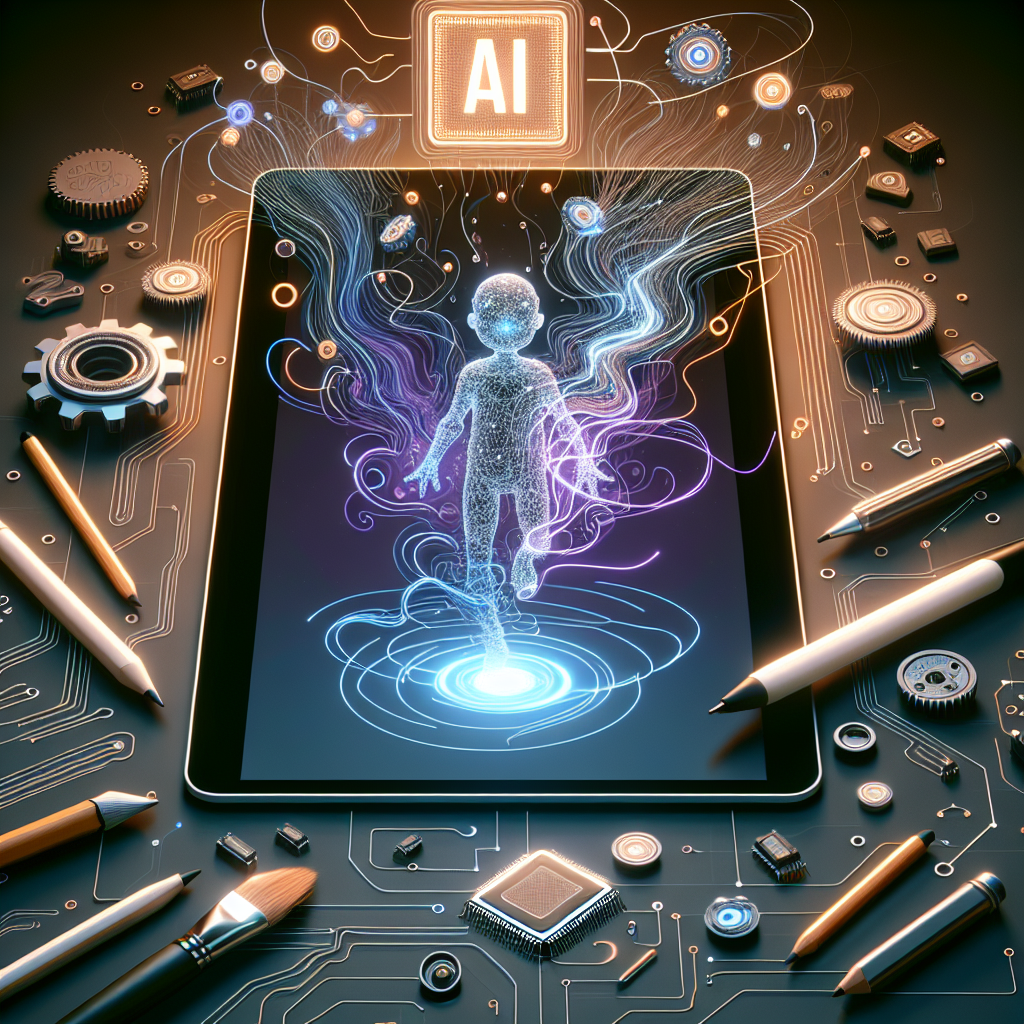
With the rapid advancements in technology, AI has become a central player in revolutionizing various industries, including filmmaking and animation. The integration of AI in animation is a game-changer, bringing digital characters to life with unprecedented realism. This article explores the dynamic intersection of AI and animation, detailing how these technologies work together to create captivating digital content.
Article Outline
- Introduction to AI in Animation
- How AI is Revolutionizing Animation
- Key AI Technologies Used in Animation
- Benefits of Using AI in Animation
- Challenges and Ethical Considerations
- Case Studies: Successful Usage of AI in Animation
- Future Trends in AI and Animation
- Conclusion
Introduction to AI in Animation
The journey of animation from hand-drawn pictures to lifelike digital characters has been fascinating. The latest frontier in this journey is the integration of Artificial Intelligence. **AI technology** in animation is not just about speeding up the process; it’s about creating more detailed, fluid, and lifelike characters. Animators now leverage AI to handle repetitive tasks, freeing up human creativity to focus on storytelling.
How AI is Revolutionizing Animation
- Enhanced Realism: AI algorithms can generate incredibly lifelike movements, facial expressions, and even simulate complex behaviors, enhancing the realism of animated characters.
- Time Efficiency: AI tools can automate laborious tasks such as frame interpolation and motion capture, significantly reducing production time.
- Cost-Effective: By streamlining processes and reducing manual labor, AI helps lower costs, making high-quality animation accessible to smaller studios.
Key AI Technologies Used in Animation
- Machine Learning Models: These models analyze and learn from large volumes of data, enabling the creation of realistic animations based on previous patterns.
- Deep Learning Networks: Particularly Convolutional Neural Networks (CNNs) and Generative Adversarial Networks (GANs), which help in texture generation, motion synthesis, and facial recognition.
- Natural Language Processing (NLP): Used for creating more lifelike voice-overs and syncing character lip movements with spoken dialogue.
- Procedural Generation: Creates animations algorithmically rather than manually, generating endless variations and possibilities.
Benefits of Using AI in Animation
- Consistency: AI ensures consistent quality throughout the production process by minimizing human error.
- Customization: Animators can quickly generate customized characters and scenes, catering to diverse audience preferences.
- Improved Creativity: With repetitive tasks handled by AI, animators have more time to focus on creative aspects, leading to richer and more compelling storytelling.
Challenges and Ethical Considerations
- High Initial Costs: Implementing AI technologies can be expensive initially, though they save costs in the long term.
- Skill Gap: The evolving landscape requires animators to continually update their skills to effectively use AI tools.
- Ethical Concerns: The over-reliance on AI risks diminishing the human element in animation and could lead to job displacement.
Case Studies: Successful Usage of AI in Animation
Several animation studios have already reaped the benefits of AI. For example:
- Pixar: Uses AI to enhance their rendering processes, achieving highly detailed and lifelike animations in films.
- Disney: Employs AI-powered tools to improve character animations and create more realistic movements and expressions.
- DreamWorks: Implements machine learning algorithms to optimize production timelines and reduce costs.
Future Trends in AI and Animation
The future of AI in animation is incredibly promising. Anticipated trends include:
- Real-Time Animation: AI could enable real-time rendering and animation, making the production process even faster and more dynamic.
- Voice and Emotion Recognition: Advances in NLP will lead to more nuanced and emotionally complex characters.
- Personalized Content: AI will allow studios to create personalized viewing experiences, tailoring animations to individual viewer preferences.
Conclusion
AI in animation is no longer just a futuristic concept; it’s a reality transforming how digital characters are brought to life. By enhancing realism, improving efficiency, and opening new creative possibilities, AI is pushing the boundaries of what’s possible in animation. As technology continues to evolve, we can expect even more groundbreaking advancements, making it an exciting time for both animators and audiences alike.